
The modern traveler understands that choosing accommodation extends far beyond thread counts and minibar contents. Your hotel selection directly impacts your entire travel experience, from personal safety to cultural immersion opportunities. The neighborhood surrounding your temporary home base can make or break a trip, whether you’re closing business deals in Manhattan or exploring ancient streets in Rome.
Smart travelers know that a five-star rating means nothing if you’re uncomfortable walking back after dinner. Location intelligence separates amateur tourists from seasoned professionals who understand that where you sleep determines how well you explore, network, and ultimately succeed during your travels.
This comprehensive approach to hotel selection will transform how you evaluate properties. You’ll learn to read between the lines of online reviews, decode neighborhood safety signals, and identify the markers of truly secure accommodations that prioritize guest welfare.
Understanding Neighborhood Safety Fundamentals
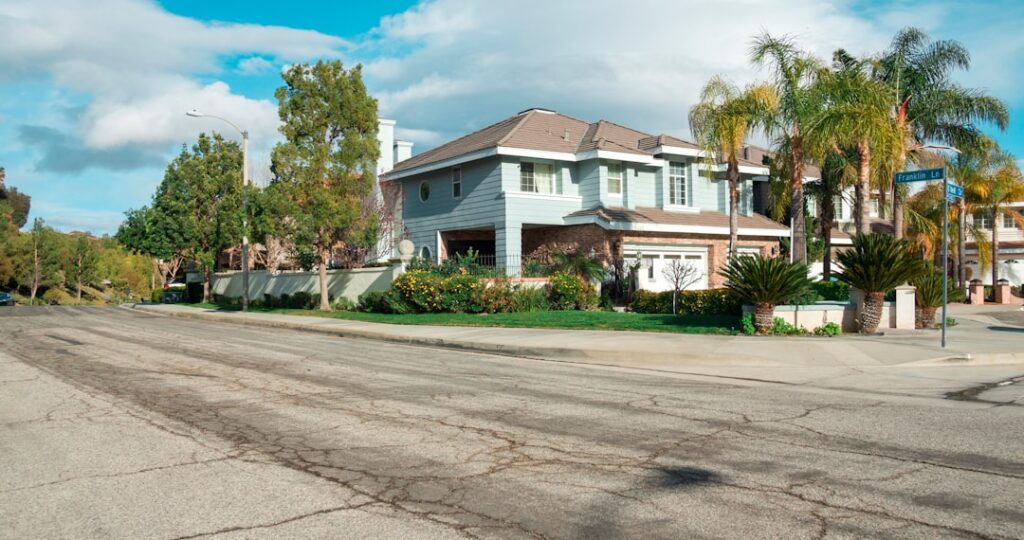
Neighborhood assessment begins long before you arrive at your destination. Professional travelers conduct thorough research using multiple data sources to build an accurate picture of local conditions. This systematic approach eliminates unpleasant surprises and ensures you can focus on your travel objectives rather than personal security concerns.
1. Research Crime Statistics and Safety Data
Government crime databases provide objective insights into local safety conditions. The FBI’s Uniform Crime Reporting program offers detailed statistics for US destinations, while international travelers can access similar data through local police departments or tourism boards. These numbers reveal patterns that marketing materials often obscure.
Focus on crimes that directly affect travelers: theft, robbery, assault, and vehicle break-ins. Pay particular attention to time-based patterns, as some areas transform dramatically between day and night hours. A bustling business district might become deserted and potentially unsafe after office workers depart.
Professional travel platforms often aggregate this safety data alongside accommodation options, making it easier to correlate hotel locations with security conditions. Cross-reference multiple sources to build a complete picture before making your final decision.
2. Analyze Local Transportation Networks
Transportation accessibility directly correlates with neighborhood safety and convenience. Areas with robust public transit connections typically maintain higher foot traffic and increased security presence. Well-connected neighborhoods also offer more options for reaching your hotel safely at various hours.
Examine the proximity to major transportation hubs: airports, train stations, and bus terminals. Hotels within reasonable distance of these connections provide flexibility and reduce reliance on unfamiliar local transportation options. However, avoid properties directly adjacent to major terminals, as these areas often experience higher crime rates.
Consider the walking distance between transportation stops and your hotel. A property that requires a lengthy walk through poorly lit streets negates the benefits of convenient public transit access.
3. Evaluate Pedestrian Infrastructure and Lighting
Street-level conditions significantly impact personal safety, especially during evening hours. Use street view technology to virtually walk the routes between your hotel and key destinations. Look for wide sidewalks, adequate lighting, and clear sight lines that enhance personal security.
Well-maintained pedestrian infrastructure indicates municipal investment and ongoing neighborhood care. Areas with cracked sidewalks, broken streetlights, and overgrown landscaping often correlate with reduced safety conditions and limited local resources.
Professional business travelers particularly benefit from neighborhoods with covered walkways or underground connections. These features provide weather protection and additional security during inclement conditions or late-night returns to your hotel.
Hotel Security Features and Assessment
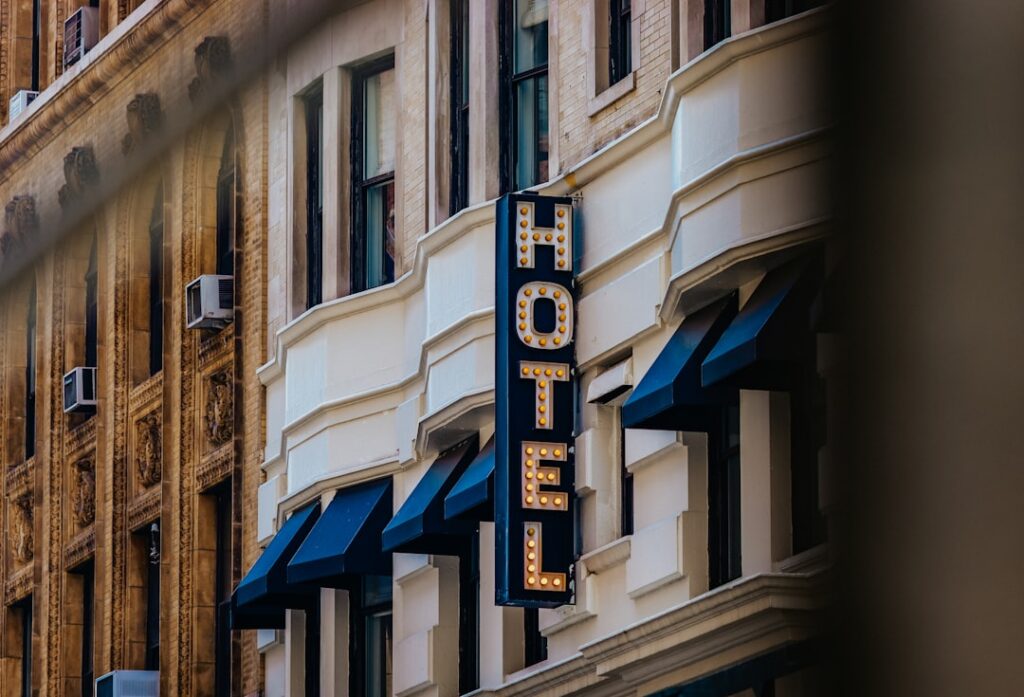
Modern hotels employ sophisticated security measures that extend far beyond traditional locks and keys. Understanding these systems helps you evaluate properties based on genuine security capabilities rather than superficial amenities. The best hotels integrate multiple security layers that protect guests without creating an oppressive atmosphere.
1. Electronic Access Control Systems
Contemporary hotels utilize electronic key card systems that provide detailed access logs and enhanced security compared to traditional keys. These systems allow hotels to instantly deactivate lost cards and track access patterns throughout the property. Look for hotels that require key card access for elevators serving guest floors, adding an extra security layer.
Advanced properties employ mobile key technology that eliminates physical cards entirely. These systems offer superior security through encrypted smartphone applications and provide guests with convenient, contactless access to their rooms and hotel amenities.
Avoid hotels still using traditional metal keys, as these systems offer minimal security and cannot be quickly changed if compromised. Professional travelers should expect modern electronic access control as a standard feature rather than a premium amenity.
2. Surveillance and Monitoring Capabilities
Comprehensive surveillance systems serve as both deterrent and investigative tools. Quality hotels maintain camera coverage in all public areas: lobbies, elevators, hallways, parking areas, and exterior entrances. The presence of visible cameras in appropriate locations indicates professional security management.
However, respect for privacy remains paramount. Legitimate hotels never place cameras in areas where guests expect privacy, including rooms, bathrooms, or changing areas. Professional properties clearly post signage indicating surveillance areas and maintain strict protocols for footage access and retention.
The security monitoring station should operate 24 hours with trained personnel capable of responding to incidents. Reputable booking platforms often highlight hotels with certified security operations, making it easier to identify properties with professional monitoring capabilities.
3. Physical Security Measures
Observe the hotel’s approach to physical access control during your research phase. Properties with professional security maintain controlled entry points that require guest identification or key card access after certain hours. This approach balances accessibility with security requirements.
Examine room security features through detailed property descriptions and guest reviews. Look for deadbolt locks, security chains, and electronic safes in guest rooms. The best hotels also provide secure door viewers and well-lit hallways with clear sight lines.
Parking security deserves particular attention for travelers with rental vehicles. Covered parking with controlled access and surveillance provides superior protection compared to open lots or street parking in urban environments.
Reading Reviews and Local Intelligence
Guest reviews contain invaluable insights that official property descriptions rarely reveal. Learning to interpret these reviews effectively helps identify genuine safety concerns versus isolated incidents or unrealistic expectations. The key lies in identifying patterns across multiple reviews and sources rather than focusing on individual complaints.
1. Identifying Consistent Safety Patterns
Multiple guests reporting similar safety concerns indicates genuine neighborhood or property issues rather than isolated experiences. Pay particular attention to reviews mentioning uncomfortable walks to the hotel, inadequate lighting, or encounters with suspicious individuals in the vicinity.
Look for references to hotel staff responses to safety concerns. Properties with professional management address security issues promptly and communicate clearly with affected guests. Hotels that dismiss or ignore safety complaints often lack the systems and culture necessary to maintain secure environments.
Recent reviews carry more weight than older feedback, as neighborhood conditions and hotel management can change significantly over time. Focus primarily on reviews from the past six to twelve months to ensure current accuracy.
2. Decoding Location References
Experienced travelers often use subtle language to communicate location concerns without explicitly negative statements. Phrases like “interesting neighborhood” or “authentic local experience” might indicate areas with challenging safety conditions that require extra precautions.
Pay attention to guest recommendations about transportation and timing. Reviews suggesting taxi usage instead of walking or recommending early returns to the hotel often signal underlying safety concerns that reviewers prefer not to state directly.
Professional review platforms allow you to filter feedback by traveler type, helping identify insights from business travelers who share similar priorities regarding safety and neighborhood quality.
3. Consulting Local Expertise
Local tourism boards and business associations provide objective neighborhood assessments without commercial bias. These organizations maintain current information about area developments, safety initiatives, and recommended precautions for visitors.
Embassy and consulate resources offer official safety guidance for international travelers. These sources provide country-specific information about areas to avoid and recommended security practices that complement your hotel research.
Professional travel advisors with destination expertise can provide personalized recommendations based on your specific travel purpose and security requirements. Their local knowledge often reveals insights that online research cannot capture.
Proximity to Essential Services and Amenities

The surrounding service ecosystem significantly impacts both convenience and safety during your stay. Neighborhoods with diverse, well-maintained businesses typically offer better security through increased foot traffic and community investment. The availability of essential services also reduces your need to venture into unfamiliar areas for basic necessities.
1. Medical and Emergency Services Access
Proximity to quality medical facilities provides peace of mind and practical benefits for travelers with health concerns or those visiting areas with different environmental conditions. Research the distance to the nearest hospital, urgent care facility, and pharmacy that serves international visitors.
Consider the reputation and capabilities of nearby medical facilities. Some destinations offer world-class medical care in certain areas while other neighborhoods have limited options. This becomes particularly important for travelers with chronic conditions or those planning active itineraries with increased injury risk.
Emergency services response times vary significantly by neighborhood within the same city. Areas with better municipal services typically maintain faster police and ambulance response times, contributing to overall safety and security for hotel guests.
2. Banking and Financial Services
Access to legitimate banking facilities reduces your reliance on potentially compromised ATMs or currency exchange services. Established banks offer secure environments for financial transactions and often provide additional services for international visitors.
Avoid hotels in areas where informal money changers or questionable financial services dominate. These conditions often indicate neighborhoods with limited legitimate business infrastructure and potentially higher crime rates affecting tourists.
Research whether your home bank has partnerships or reciprocal agreements with local institutions. This knowledge can save significant fees and provide familiar service standards during your travels.
3. Dining and Entertainment Options
Diverse dining options within walking distance enhance both safety and cultural experience. Neighborhoods with varied restaurants operating at different hours maintain more consistent street activity, contributing to natural surveillance and deterring criminal behavior.
Quality entertainment venues indicate community investment and attract visitors who contribute to neighborhood vitality. However, balance is key, as areas dominated by nightlife might experience different safety dynamics during evening hours compared to daytime conditions.
Consider making restaurant reservations through integrated travel platforms that can coordinate dining recommendations with your hotel location, ensuring convenient and safe access to quality local cuisine throughout your stay.
Technology Tools for Safety Assessment
Modern technology provides unprecedented access to real-time safety information and neighborhood insights. Smart travelers leverage these digital tools to make informed decisions based on current conditions rather than outdated guidebook recommendations. The key lies in using multiple technology sources to build comprehensive situational awareness.
1. Mobile Safety Applications
Dedicated safety apps provide real-time crime reports, user-generated alerts, and community-sourced safety information. These platforms aggregate data from multiple sources to create dynamic safety maps that reflect current conditions in specific neighborhoods.
Government travel advisory services offer official safety information and real-time alerts for international destinations. These resources provide authoritative guidance on security conditions and recommended precautions for specific regions and cities.
Location-sharing applications allow you to maintain contact with colleagues or family members, providing an additional security layer during your travels. Configure these tools before departure to ensure reliable communication regardless of local network conditions.
2. Street View and Mapping Technology
Virtual neighborhood exploration through street view technology allows detailed assessment of local conditions before arrival. Examine street lighting, pedestrian infrastructure, building maintenance, and general neighborhood character through high-resolution imagery.
Pay particular attention to the immediate vicinity around potential hotels. Look for well-maintained storefronts, adequate lighting, and clear pedestrian pathways. These visual indicators often correlate with neighborhood safety and municipal investment in local infrastructure.
Use mapping technology to identify multiple routes between your hotel and key destinations. Having alternative pathways provides flexibility and security options if primary routes become unavailable or feel unsafe during your stay.
3. Social Media and Real-Time Information
Social media platforms provide unfiltered insights into current neighborhood conditions and local events that might impact safety. Search for location-based posts and hashtags to understand recent developments and community conversations about specific areas.
Local news sources and community forums offer context about ongoing safety initiatives, recent incidents, or changes in neighborhood dynamics. This information helps you understand whether current conditions match historical safety patterns.
However, maintain appropriate skepticism about social media information and cross-reference concerning reports with official sources before making accommodation decisions based solely on user-generated content.
Making the Final Decision
Synthesizing all available information requires a systematic approach that balances safety priorities with travel objectives. Professional travelers develop decision-making frameworks that account for risk tolerance, trip purpose, and personal security requirements while maintaining flexibility for changing conditions.
Create a weighted scoring system that reflects your individual priorities. Business travelers might emphasize transportation access and business district proximity, while leisure travelers could prioritize cultural attractions and dining options. Safety considerations should influence every category rather than standing alone.
Consider booking flexibility when safety concerns exist. Properties with reasonable cancellation policies provide options if conditions change or additional information emerges before your departure. This flexibility often justifies slightly higher rates for travelers prioritizing security.
Remember that no location offers perfect safety, and risk mitigation involves making informed decisions rather than achieving zero risk. Focus on selecting hotels and neighborhoods that align with your risk tolerance and provide adequate security measures for your specific travel requirements.
The investment in thorough research pays dividends throughout your entire trip. Confident knowledge about your accommodation and surrounding area allows you to focus on travel objectives rather than safety concerns, ultimately enhancing both productivity and enjoyment during your journey.
Leave a Reply