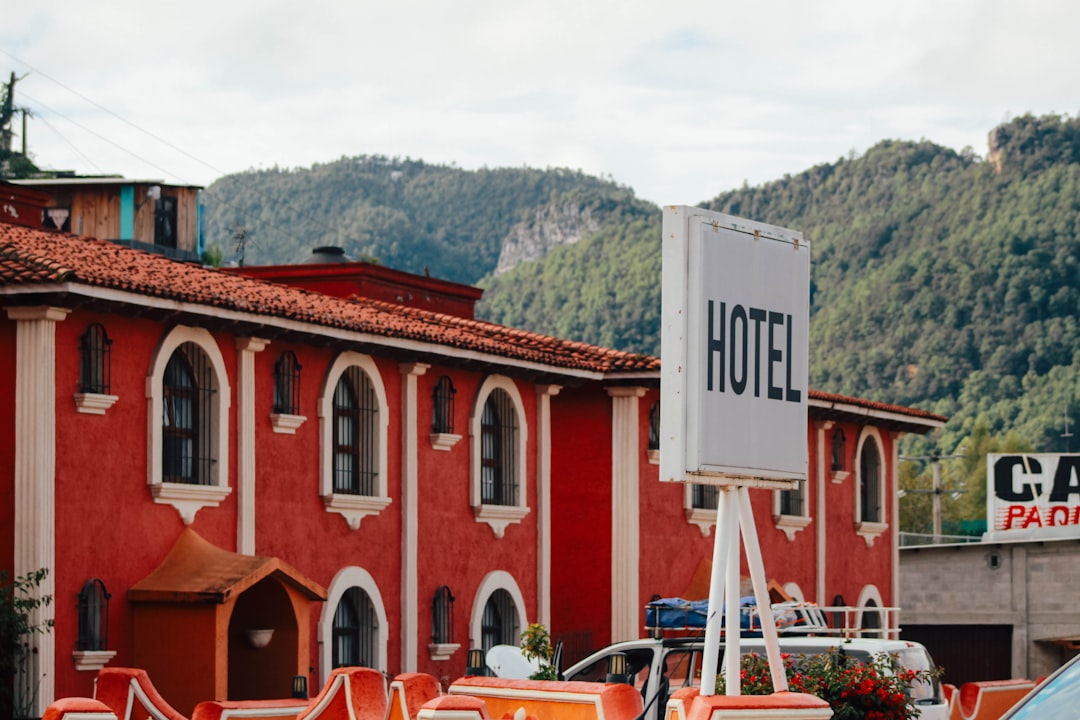
Choosing the right hotel goes far beyond thread count and room service. Your accommodation decision can make or break your entire travel experience, particularly when safety and neighborhood quality enter the equation.
Smart travelers understand that a beautiful lobby means nothing if you’re walking through sketchy streets at midnight. The most luxurious suite becomes worthless when you’re constantly worried about your personal security.
This guide breaks down everything you need to know about selecting hotels in safe, desirable neighborhoods. We’ll explore professional techniques used by seasoned travelers and security experts.
Understanding Neighborhood Safety Fundamentals

Safety isn’t just about avoiding obvious danger zones. It’s about understanding the subtle indicators that separate genuinely secure areas from those with hidden risks.
Professional travel security consultants look for specific environmental cues when evaluating neighborhoods. Well-maintained public spaces, active street life during appropriate hours, and visible community investment all signal safer environments.
The presence of families, elderly residents, and people walking pets typically indicates stable residential areas. Conversely, excessive security measures like multiple barriers and extensive surveillance often suggest underlying safety concerns.
1. Crime Statistics and Local Data Analysis
Raw crime statistics provide your foundation, but interpretation requires finesse. Focus on crimes affecting tourists: theft, assault, and fraud rather than domestic violence or drug-related incidents between locals.
Many cities publish detailed crime maps showing incident locations and types. Professional hotel booking platforms often integrate this data into their search filters.
Pay attention to crime timing patterns. Areas safe during business hours might become problematic after dark. Weekend versus weekday crime patterns also reveal important safety considerations.
2. Local Infrastructure Quality Assessment
Infrastructure quality directly correlates with neighborhood safety and livability. Well-maintained sidewalks, proper street lighting, and functional traffic systems indicate municipal investment and community care.
Broken windows, poor road conditions, and inadequate lighting suggest neglect that often coincides with higher crime rates. These visual cues provide immediate neighborhood quality indicators.
Public transportation accessibility and quality also matter. Reliable transit systems indicate municipal investment and provide safer late-night travel options than walking through unfamiliar areas.
Research Techniques for Hotel Location Evaluation

Effective location research combines multiple information sources to build comprehensive neighborhood profiles. This systematic approach prevents unpleasant surprises upon arrival.
Start your research at least two weeks before booking. This timeline allows thorough investigation and alternative option exploration if your initial choices prove unsuitable.
3. Digital Mapping and Street View Analysis
Google Street View provides invaluable neighborhood previews from your computer. Virtually walk the routes between your hotel and planned destinations during different times of day.
Look for business types, pedestrian activity levels, and general area maintenance. Upscale restaurants, coffee shops, and retail stores indicate desirable neighborhoods with foot traffic.
Street View’s historical imagery feature shows neighborhood evolution over time. Areas showing improvement trends are generally safer bets than those displaying decline.
4. Social Media and Local Forum Investigation
Local Facebook groups, Reddit communities, and neighborhood apps like Nextdoor offer unfiltered resident perspectives. Search for recent posts about safety concerns, crime incidents, or area recommendations.
Instagram location tags reveal what locals and visitors actually do in the area. Heavy restaurant, shopping, and cultural activity posting suggests vibrant, safe neighborhoods.
Pay attention to complaint patterns in local forums. Consistent concerns about specific issues like noise, crime, or infrastructure problems indicate ongoing neighborhood challenges.
5. Professional Travel Advisory Resources
Government travel advisories provide official safety assessments for international destinations. The U.S. State Department’s travel advisories include city-specific information for major tourist destinations.
OSAC (Overseas Security Advisory Council) offers detailed security information for business travelers, including neighborhood-specific guidance for major cities worldwide.
Commercial travel security services provide subscription-based detailed reports on specific areas. These services are particularly valuable for business travelers visiting unfamiliar international destinations.
Hotel-Specific Safety Feature Evaluation

The hotel itself must meet security standards regardless of neighborhood quality. Even safe areas require properly designed and managed accommodation security systems.
Modern hotel security goes beyond basic locks and surveillance. Comprehensive safety includes everything from fire suppression systems to staff training protocols.
6. Physical Security Infrastructure Assessment
Key card access systems should control not just room entry but also elevator access to guest floors. This prevents unauthorized individuals from wandering hotel corridors.
Look for hotels with 24-hour front desk staffing, security cameras in public areas, and well-lit parking facilities. Safe deposit boxes and in-room safes provide additional security for valuables.
Emergency procedures should be clearly posted in guest rooms. Hotels in seismically active areas, hurricane zones, or other natural disaster regions should have specific emergency protocols.
7. Staff Training and Response Protocols
Well-trained staff can identify and respond to security concerns before they escalate. Professional hotels train employees to recognize suspicious behavior and follow established response procedures.
Front desk staff should require proper identification for room key replacement and maintain discretion about guest information. Housekeeping staff should follow protocols for entering occupied rooms.
Concierge services at quality hotels include safety guidance about local areas, transportation recommendations, and assistance with emergency situations.
Booking Strategies for Maximum Safety Assurance

Your booking approach significantly impacts your safety and security options. Strategic booking decisions provide better protection and more flexibility if problems arise.
Reputable booking platforms offer verification systems, traveler reviews, and customer support that independent bookings might lack.
8. Direct Hotel Booking Versus Third-Party Platforms
Booking directly with hotels often provides better customer service and easier problem resolution. Hotel staff can address concerns more quickly when you’re their direct customer rather than a third-party booking.
However, major booking platforms offer extensive review systems and standardized safety information that individual hotel websites might not provide. They also offer customer protection policies for booking disputes.
Consider hybrid approaches: research on booking platforms but finalize reservations directly with hotels. This combines comprehensive information with direct customer relationships.
9. Cancellation Policies and Flexibility Options
Flexible cancellation policies provide crucial safety nets if you discover neighborhood or hotel safety concerns after booking. Pay attention to cancellation deadlines and fee structures.
Many hotels offer rate guarantees and will match lower prices found elsewhere. This policy indicates confidence in their service quality and provides booking flexibility.
Travel insurance can cover cancellation costs if safety concerns arise after booking cutoff dates. This protection is particularly valuable for international travel or expensive accommodations.
Red Flags and Warning Signs to Avoid
Certain indicators should trigger immediate concern regardless of other positive factors. These red flags often signal deeper safety or quality issues.
Trust your instincts when evaluating hotels and neighborhoods. If something feels wrong during your research, investigate further or consider alternatives.
10. Online Review Pattern Analysis
Fake reviews are increasingly common, but patterns reveal authentic feedback. Genuine reviews include specific details about experiences rather than generic praise or criticism.
Multiple reviews mentioning similar safety concerns indicate real problems rather than isolated incidents. Pay particular attention to recent reviews, as hotel and neighborhood conditions can change quickly.
Extremely positive reviews without any constructive criticism often indicate manipulation. Authentic review profiles include mixed feedback with specific details about both positive and negative experiences.
11. Communication and Transparency Issues
Hotels that avoid answering direct questions about safety features or neighborhood conditions may be hiding problems. Professional accommodations should readily provide security information.
Vague responses about location, transportation options, or safety measures suggest potential issues. Quality hotels are proud of their security features and happy to discuss them with prospective guests.
Pressure tactics or limited-time offers for bookings often indicate desperation rather than genuine value. Reputable hotels in desirable locations don’t typically need aggressive sales techniques.
International Travel Considerations
International hotel selection requires additional safety considerations beyond domestic travel concerns. Cultural differences, language barriers, and unfamiliar legal systems add complexity to safety planning.
Research local customs and laws that might affect your hotel experience. Some countries have specific requirements for tourist accommodations or restrictions on certain activities.
12. Embassy and Consulate Proximity
Hotels near diplomatic areas often benefit from enhanced security presence and better infrastructure maintenance. These neighborhoods typically have higher safety standards and more reliable emergency services.
U.S. State Department resources provide embassy locations and contact information for emergency situations. Knowing these locations before travel improves emergency preparedness.
Diplomatic districts often have expatriate communities with English-speaking residents and businesses. This can provide additional support networks for international travelers.
13. Local Emergency Service Capabilities
Research local emergency service quality and response times in your destination area. Some regions have limited police, fire, or medical emergency capabilities.
Understand local emergency contact numbers, as many countries don’t use 911 for emergency services. Professional travel resources often include this essential information.
Consider travel insurance that includes medical evacuation coverage for destinations with limited healthcare facilities. This protection becomes particularly important in remote or developing areas.
Making Your Final Hotel Decision
Synthesizing all your research into a final decision requires balancing multiple factors against your personal risk tolerance and travel requirements.
Create a checklist of your non-negotiable safety requirements versus nice-to-have features. This framework helps maintain focus on essential criteria during the selection process.
Remember that perfect safety doesn’t exist anywhere. The goal is minimizing risk while maximizing your travel experience enjoyment and peace of mind.
Consider reaching out to hotels directly before finalizing bookings. Speaking with staff provides insights into their professionalism and commitment to guest safety. Quality establishments welcome these conversations and provide detailed responses.
Document your research process and keep important contact information easily accessible during travel. This preparation pays dividends if unexpected situations arise during your trip.
Ready to put these strategies into practice? Start researching your next destination using these professional techniques. Your future self will thank you for the extra effort when you’re relaxing safely in your well-chosen accommodation.
Leave a Reply