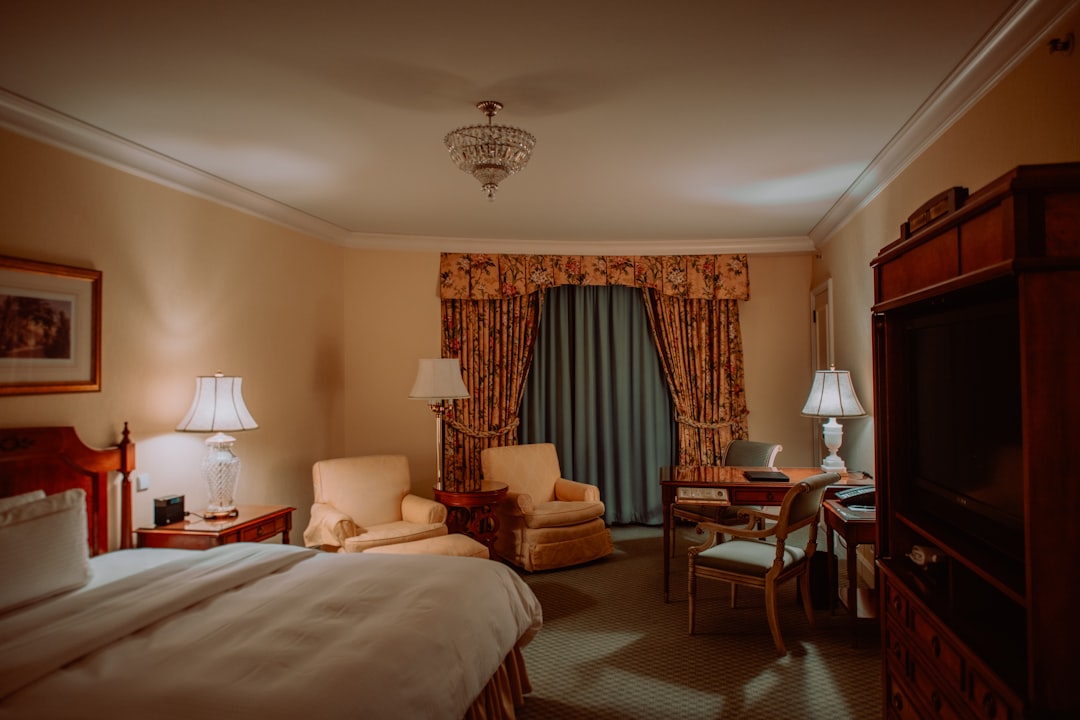
The gleaming marble lobby. The pristine infinity pool. The luxurious suite with panoramic city views. Hotel photos can paint a picture so perfect that reality often feels like a cruel awakening. Yet in our digital age, visual content remains your most powerful tool for making informed accommodation choices.
Smart travelers have learned to read between the pixels. They understand that behind every carefully curated hotel gallery lies a story that marketing teams prefer to keep untold. The art lies not in dismissing visual content entirely, but in developing a discerning eye that separates genuine quality from clever photography tricks.
Modern booking platforms offer unprecedented access to hotel visuals. From professional photography to user-generated content, from 360-degree room tours to drone footage of resort grounds, the visual information available today would have seemed impossible just a decade ago. The challenge isn’t finding images. It’s interpreting them correctly.
Understanding Hotel Photography: The Marketing Reality

Every hotel photograph serves a purpose, and that purpose isn’t always to provide you with accurate information. Professional hotel photographers employ techniques specifically designed to make spaces appear larger, brighter, and more luxurious than they might feel in person.
Wide-angle lenses create the illusion of spaciousness in even the most compact rooms. Strategic lighting can transform a dated interior into something that appears modern and fresh. Professional staging removes every trace of wear and tear, replacing it with carefully selected furniture and accessories that may not reflect the room’s actual condition.
Understanding these techniques doesn’t mean becoming cynical about all hotel imagery. Instead, it means developing the skills to look beyond the surface. When you see a hotel room that looks impossibly spacious, ask yourself what the photographer might have done to create that impression.
1. Recognizing Wide-Angle Distortion
The most common trick in hotel photography involves ultra-wide-angle lenses that can make a closet look like a ballroom. These lenses capture more of the room in a single frame, but they also distort perspective in ways that can be misleading.
Look for telltale signs of wide-angle photography. Curved lines along the edges of the frame, furniture that appears unusually small relative to the space, and doorways that seem disproportionately large all indicate aggressive wide-angle shooting.
Compare multiple photos of the same space taken from different angles. If you can’t find at least three different perspectives of important areas like the bedroom and bathroom, consider it a red flag.
2. Lighting Tricks and Digital Enhancement
Professional hotel photography relies heavily on artificial lighting to create mood and hide imperfections. Multiple flash units, reflectors, and extensive post-processing can transform even the most dated hotel room into something that appears magazine-worthy.
Pay attention to the quality and direction of light in hotel photos. Harsh shadows or overly bright, blown-out areas often indicate heavy digital manipulation. Natural lighting in photos tends to be more reliable, though even this can be enhanced significantly in post-production.
Look for photos taken at different times of day. Hotels confident in their actual appearance will show rooms in various lighting conditions, not just the golden hour magic that makes everything look perfect.
Decoding Room Photos: What to Look for Beyond the Obvious
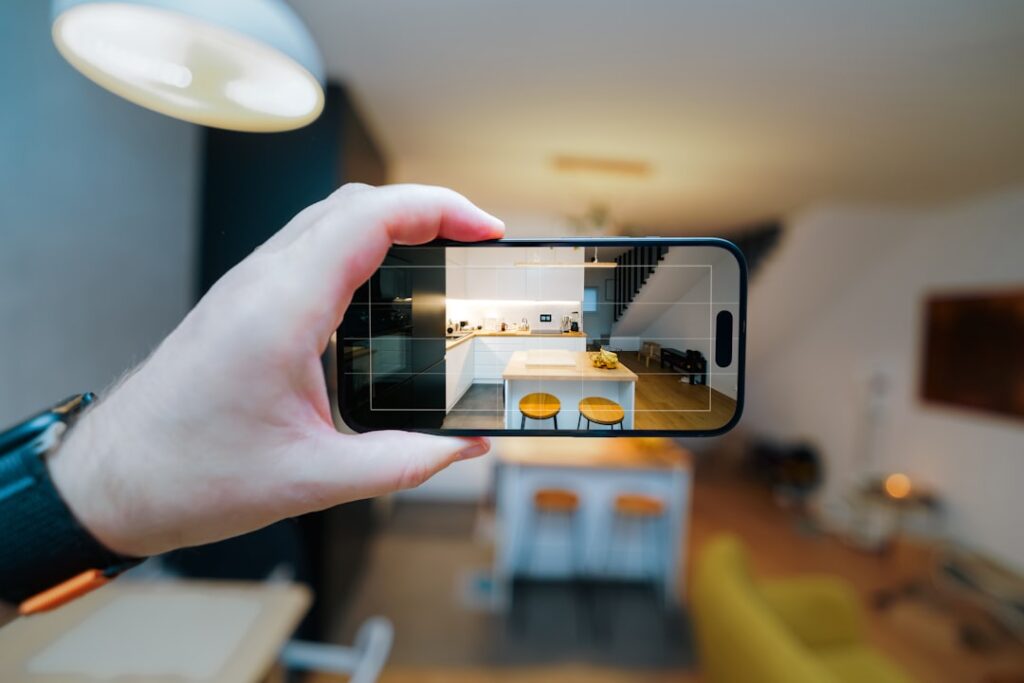
The devil in hotel photography lives in the details that marketing teams hope you won’t notice. While your eye naturally gravitates toward the bed, the view, or the bathroom fixtures, the most revealing information often hides in the background.
Experienced travelers have learned to scan hotel photos like detectives examining crime scenes. They look for clues about age, maintenance standards, and actual room size that photographers can’t easily hide or manipulate away.
Start with the basics, but don’t stop there. The condition of paint around door frames, the style of electrical outlets, the type of carpeting or flooring, and even the design of light switches can tell you more about a hotel’s true condition than any carefully staged center-of-room shot.
1. Furniture Placement and Room Flow
Hotels often rearrange furniture specifically for photo shoots, pushing pieces against walls or removing items entirely to create the impression of more space. This means the room you see in photos might not reflect the actual layout you’ll experience.
Look for awkward furniture placement that seems designed to maximize visible floor space rather than guest comfort. Chairs pushed into corners, beds positioned unusually close to walls, or the complete absence of practical items like luggage racks or work chairs can indicate photo-specific staging.
Count the pieces of furniture visible in photos and compare this to what the hotel lists as room amenities. Missing items might be hidden just outside the camera frame due to space constraints.
2. Age and Wear Indicators
Even the most skilled photographers struggle to completely hide signs of age and wear. Train your eye to spot these indicators in the details that don’t typically receive the photographer’s primary attention.
Examine the edges of carpeting, the corners of upholstered furniture, and the areas around frequently touched surfaces like door handles and light switches. These zones often show wear that’s difficult to eliminate through photography alone.
Look for consistency in design elements throughout the room. A mix of furniture styles, different generations of the same fixtures, or obvious replacements might indicate that rooms are updated piecemeal rather than comprehensively renovated.
3. Window Views and Natural Light
Hotel photographers love to showcase spectacular views, but they’re less enthusiastic about showing you what those windows look like when the lighting isn’t perfect. Views photographed during golden hour might look dramatically different during the harsh midday sun or at night.
Pay attention to the quality and quantity of natural light in room photos. Rooms that rely heavily on artificial lighting during daytime photo shoots might indicate small windows, poor orientation, or obstructed views.
Check whether the hotel provides multiple photos of the same view at different times of day. Properties confident in their views will show them in various lighting conditions.
Virtual Tours: The Game-Changing Technology
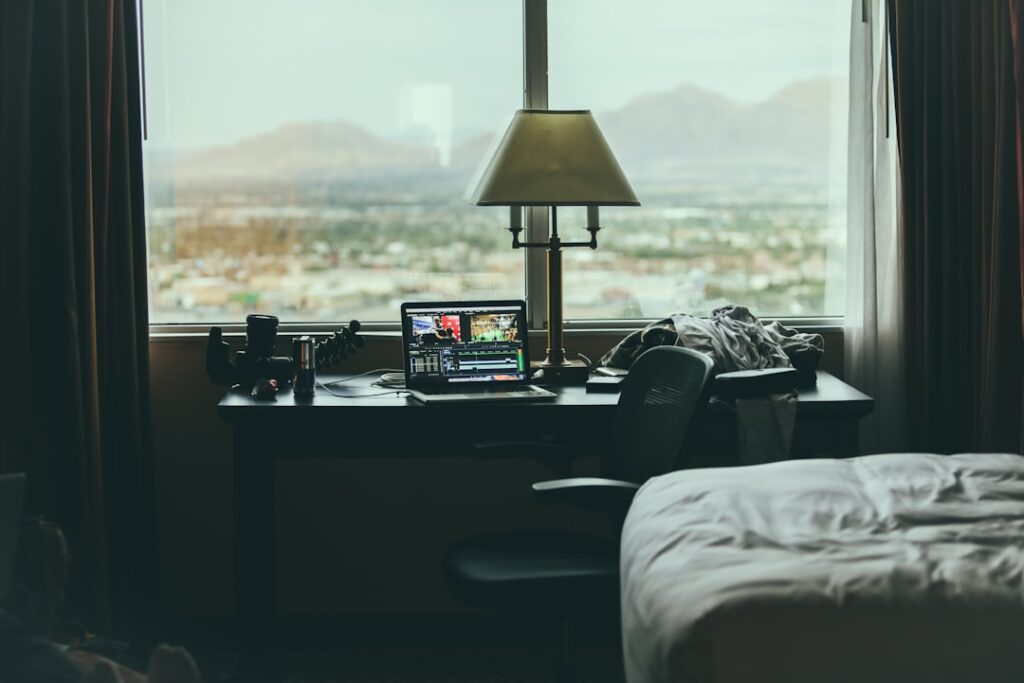
Virtual tours represent the closest thing to actually visiting a hotel before booking. Unlike static photography, 360-degree tours provide spatial context that’s much harder to manipulate through camera tricks or post-processing.
The technology behind virtual tours has advanced rapidly, with high-end hotels now offering experiences that rival professional real estate photography. These tours allow you to move through spaces naturally, getting a genuine sense of room flow, proportions, and the relationship between different areas.
However, virtual tours aren’t immune to manipulation. Lighting can still be optimized, furniture can be rearranged, and the timing of photography can be carefully selected to present the most favorable impression. Leading accommodation platforms are increasingly incorporating virtual tour technology to help travelers make more informed decisions.
1. Navigating 360-Degree Room Tours
The power of virtual tours lies in your ability to control the viewing experience. Unlike traditional photos where the photographer chooses your perspective, virtual tours let you look where you want, when you want.
Start your virtual tour exploration with a complete 360-degree rotation from the entry point. This gives you an immediate sense of the room’s actual size and layout without being influenced by the photographer’s preferred angles.
Pay special attention to transitions between different areas of the room. The relationship between the sleeping area and bathroom, the position of the work desk relative to natural light, and the proximity of the air conditioning unit to the bed are all factors that significantly impact your stay experience.
2. Interactive Features and Hotspots
Advanced virtual tours often include interactive elements that provide additional information about specific features or amenities. These hotspots can offer details about room service options, technology features, or local attractions visible from windows.
However, be aware that these interactive elements are still marketing tools. They’re designed to highlight positive aspects while drawing attention away from potential negatives. Use them as supplementary information rather than primary decision-making factors.
Test the virtual tour’s functionality before relying on it for important decisions. Tours that load slowly, have low resolution, or lack smooth navigation might indicate either technical limitations or attempts to obscure details.
3. Comparing Virtual Tours with Static Photos
The most revealing approach involves cross-referencing virtual tours with traditional hotel photography. Discrepancies between these two visual sources often highlight areas where static photos might be misleading.
Look for spaces that appear prominent in static photos but seem less impressive in virtual tours. Conversely, areas that look cramped in traditional photography might feel more spacious when experienced through virtual reality.
Pay attention to details that change between the two formats. Different furniture arrangements, varying lighting conditions, or even completely different room configurations might indicate that photos were taken at different times or in different rooms.
Reading Guest Photos: The Unfiltered Truth
While professional hotel photography presents the aspirational version of your stay, guest photos reveal the practical reality. These unfiltered images, typically found in reviews on platforms like TripAdvisor, Google, or specialized travel booking sites, provide invaluable insights into the actual guest experience.
Guest photography tends to focus on different aspects than professional shoots. Instead of showcasing the room’s best angle, travelers photograph problems, unexpected details, or simply document their experience without concern for aesthetic appeal.
The challenge with guest photos lies in their inconsistent quality and potential bias. Extremely negative reviews might include photos that unfairly emphasize problems, while positive reviews might overlook significant issues. The key is finding patterns across multiple guest submissions.
1. Identifying Consistent Issues
When multiple guests photograph the same problem areas, you’re looking at genuine issues rather than isolated incidents. Common targets for guest photography include outdated bathrooms, small room sizes, poor views, or maintenance problems.
Look for recurring themes in guest photos across different time periods. Issues that appear consistently over months or years indicate systematic problems rather than temporary situations.
Pay special attention to photos that contradict the hotel’s professional imagery. If professional photos show a spacious bathroom but multiple guest photos reveal cramped conditions, trust the guest documentation.
2. Seasonal and Timing Considerations
Guest photos often reveal seasonal variations that professional photography doesn’t address. Pool areas that look inviting in professional shots might appear overcrowded or poorly maintained in guest photos taken during peak season.
Check the dates on guest photos to understand how the hotel’s condition changes over time. Recent photos carry more weight for current booking decisions, but patterns over longer periods can reveal management quality and maintenance standards.
Look for guest photos taken during different seasons or weather conditions. Hotels in seasonal destinations might look dramatically different during off-peak periods when professional photography typically isn’t conducted.
Common Red Flags in Hotel Visual Content
Certain warning signs in hotel visual content should immediately raise concerns about the accuracy of the representation. These red flags don’t necessarily indicate a bad hotel, but they do suggest that you should gather additional information before booking.
Experienced travelers have learned to recognize these warning signs quickly, allowing them to either investigate further or move on to more transparent options. The goal isn’t to become paranoid about hotel imagery, but to develop the critical thinking skills necessary for informed decision-making.
Modern booking platforms provide multiple ways to verify hotel quality beyond official photography. Comprehensive travel resources often aggregate information from multiple sources to provide more balanced perspectives on accommodation quality.
1. Limited Photo Selection
Hotels confident in their facilities typically provide extensive photo galleries covering all major areas and amenities. Limited photo selection, particularly missing images of bathrooms, views, or common areas, should raise immediate concerns.
Count the total number of photos provided and compare this to similar properties in the same price range. A five-star hotel with only a dozen photos is likely hiding something significant.
Look for obvious gaps in the visual story. Missing bathroom photos, absent views from windows, or no images of the hotel’s exterior might indicate areas where the property doesn’t meet guest expectations.
2. Inconsistent Image Quality
Professional hotel photography maintains consistent quality standards across all images. Dramatic variations in photo quality, lighting, or style within the same gallery might indicate that images were taken at different times, potentially showing renovated and unrenovated areas.
Be particularly wary of galleries that mix obviously professional photography with lower-quality images. This combination often indicates that the hotel couldn’t achieve professional results for certain areas.
Check whether all photos appear to be taken in the same property. Variations in architectural details, decor styles, or even basic features like ceiling height might indicate stock photography or images from different locations.
3. Over-Processing and Digital Manipulation
While some photo enhancement is standard in hotel marketing, excessive digital manipulation creates unrealistic expectations. Images that look more like artistic renderings than photographs should be viewed with skepticism.
Look for signs of heavy digital processing such as unrealistic color saturation, perfect symmetry that seems artificial, or lighting that defies physical laws. These indicators suggest that the images bear little resemblance to reality.
Compare the hotel’s official photos with images from multiple booking platforms. Significant differences in how the same spaces appear across different sites might indicate platform-specific editing or the use of different photo sets for different audiences.
Making the Final Decision: Balancing Visuals with Other Factors
Visual content should inform your hotel choice, but it shouldn’t be the sole determining factor. The most sophisticated travelers use imagery as one element in a comprehensive evaluation process that includes location, reviews, pricing, and personal priorities.
Your visual assessment should align with your specific needs and expectations. A business traveler might prioritize workspace functionality over scenic views, while a family vacation might emphasize pool areas and room layouts that accommodate multiple guests.
Remember that even the most accurate visual content can’t capture intangible factors like service quality, noise levels, or the overall atmosphere that makes a stay memorable. Use photos and virtual tours to eliminate obviously unsuitable options, then rely on reviews and direct communication with the hotel for final decision-making.
1. Creating Your Visual Checklist
Develop a systematic approach to evaluating hotel visuals based on your specific travel needs. This checklist should include both positive indicators you’re seeking and negative signs you want to avoid.
Prioritize visual elements based on their importance to your trip. If you’re planning a romantic getaway, bathroom quality and view aesthetics might outweigh fitness center facilities or business amenities.
Document your visual assessment process to improve future booking decisions. Note which visual indicators proved accurate and which were misleading, building your expertise over time.
2. Cross-Referencing Visual and Written Reviews
The most reliable booking decisions combine visual assessment with careful review analysis. Look for written reviews that specifically mention aspects visible in photos, either confirming or contradicting what the images suggest.
Pay attention to reviews that include photos and compare these guest images directly with official hotel photography. This comparison often reveals the most accurate picture of what you can expect.
Ready to put these visual assessment skills to work? Start browsing hotels with your new critical eye and discover how much more confident you’ll feel about your booking decisions.
3. When to Contact the Hotel Directly
Sometimes visual content raises questions that can only be answered through direct communication. Don’t hesitate to contact hotels when photos seem inconsistent or when you need clarification about specific visual elements.
Ask specific questions about details you’ve noticed in photos. Inquire about room sizes, view accuracy, or amenities that appear unclear in visual content. Professional hotel staff should be able to address these concerns honestly.
Use direct contact as an opportunity to assess customer service quality. Hotels that respond promptly and thoroughly to pre-booking questions often provide better overall guest experiences than those that don’t prioritize communication.
The visual assessment of hotels requires practice, patience, and a healthy dose of skepticism. But master these skills, and you’ll find that your travel experiences improve dramatically. No more unpleasant surprises. No more rooms that bear no resemblance to their photos. Just informed decisions that lead to stays that meet or exceed your expectations.
Modern technology has given us unprecedented access to hotel information, but it’s also created new opportunities for creative marketing. The travelers who thrive in this environment are those who combine technological tools with old-fashioned critical thinking. They understand that every photo tells a story, but not always the story the hotel wants to tell.
Leave a Reply