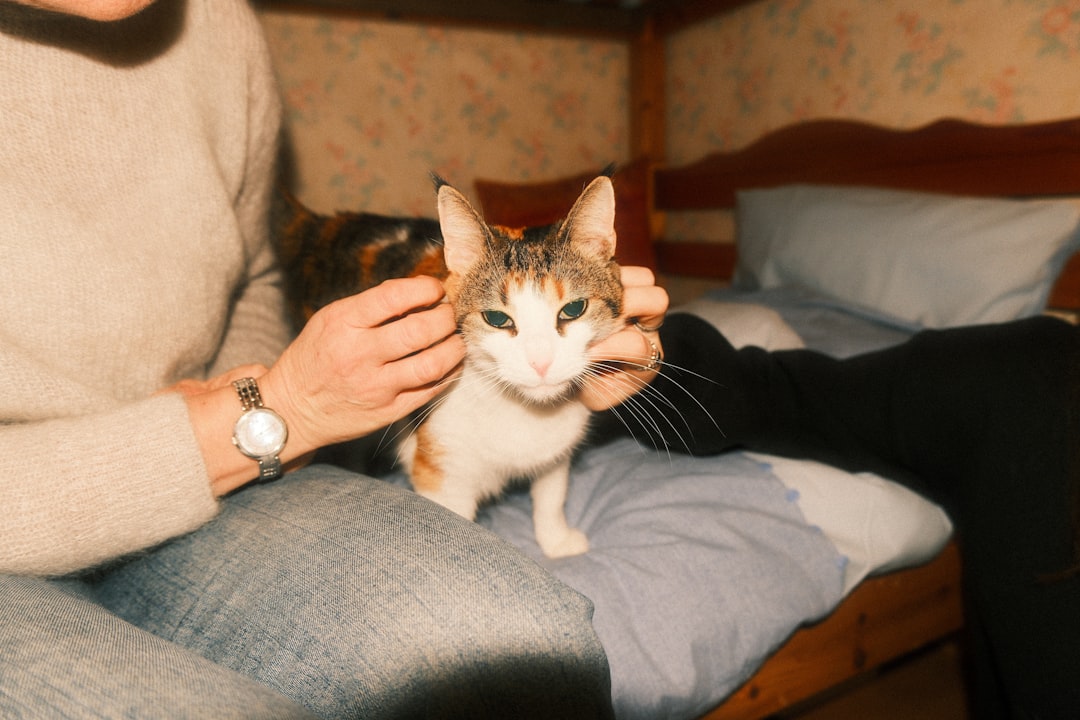
Traveling with your four-legged companion or service animal shouldn’t feel like an uphill battle. The hospitality industry has transformed dramatically over the past decade, with countless establishments now rolling out the red carpet for guests with pets and special animal needs.
Yet finding the perfect accommodation requires more than a quick Google search. Smart travelers understand that the devil lives in the details, from pet policies and additional fees to room configurations and nearby amenities.
This comprehensive guide cuts through the noise, providing you with insider knowledge to secure accommodations that work seamlessly for both you and your animal companion. Whether you’re traveling with a beloved pet or rely on a service animal, these strategies will ensure your next hotel stay exceeds expectations.
Understanding Pet Policies and Legal Requirements

Hotel pet policies vary wildly across the industry, making research your first line of defense. Premium booking platforms now offer detailed filters for pet-friendly properties, but reading the fine print remains crucial.
Most hotels distinguish between emotional support animals, service animals, and pets. Service animals, typically dogs trained to perform specific tasks for individuals with disabilities, enjoy legal protections under the Americans with Disabilities Act. These animals cannot be charged additional fees and have broader access rights.
1. Service Animal Accommodations
Hotels must accommodate service animals without question, regardless of their standard pet policies. However, you should still communicate your needs during booking to ensure proper room assignment and avoid any front-desk confusion upon arrival.
Documentation requirements have become more stringent in recent years. While hotels cannot demand proof of disability, they can ask about the animal’s training and specific tasks performed.
2. Emotional Support Animal Guidelines
Emotional support animals occupy a legal gray area in hospitality. Unlike service animals, they don’t receive automatic accommodation rights. Many hotels now require advance notice, documentation from mental health professionals, and may charge standard pet fees.
The Department of Justice clarifies that emotional support animals are not considered service animals under federal law, leaving accommodation decisions to individual properties.
3. Standard Pet Policies
Traditional pet policies typically include weight restrictions, breed limitations, and additional fees ranging from $25 to $150 per night. Premium hotel chains often cap stays at specific durations and limit the number of pets per room.
Some boutique properties have embraced pet-friendly positioning as a competitive advantage. These establishments often provide welcome amenities, specialized room configurations, and concierge services for animal needs.
Researching Pet-Friendly Hotel Chains and Independent Properties

Major hotel chains maintain relatively consistent pet policies across their portfolios, making them predictable choices for frequent travelers. However, independent properties often offer more flexibility and personalized service for guests with animals.
Luxury brands like Kimpton Hotels have built reputations as pet paradise destinations. Their properties typically welcome animals of all sizes without additional fees, provide pet beds and food bowls, and offer specialized room service menus for four-legged guests.
1. Chain Hotel Advantages
Consistency ranks as the primary benefit of chain properties. Once you understand a brand’s pet policy, you can expect similar experiences across their portfolio. Many chains also offer loyalty program benefits that extend to pet amenities.
Marriott, Hilton, and Hyatt maintain comprehensive online databases detailing pet policies for individual properties. These resources help you identify locations with the most favorable terms for your specific needs.
2. Independent Property Benefits
Boutique hotels and independent properties often demonstrate greater flexibility in accommodating unique animal needs. Their smaller scale allows for personalized service and custom solutions that large chains cannot match.
Specialized booking platforms have made discovering these hidden gems easier than ever, with detailed reviews from other pet owners providing valuable insights into the actual guest experience.
3. Vacation Rental Considerations
Vacation rentals through platforms like Airbnb and VRBO often provide more space and flexibility for travelers with animals. Private homes eliminate common hotel restrictions while offering amenities like fenced yards and multiple rooms.
However, vacation rentals require more thorough vetting. Property damage policies, neighbor considerations, and cleaning requirements can create unexpected complications for pet owners.
Essential Questions to Ask Before Booking

A successful pet-friendly hotel stay begins with asking the right questions during the booking process. Don’t assume that “pet-friendly” means the same thing across all properties.
Start with basic logistics: maximum pet weight, number of animals allowed, and total fees including deposits and cleaning charges. These fundamentals help you avoid unpleasant surprises at check-in.
1. Fee Structure and Deposits
Pet fees come in various forms: nightly charges, one-time fees, refundable deposits, or combinations thereof. Some properties charge per pet, while others use flat rates regardless of animal count. Understanding the complete financial picture prevents budget overruns.
Ask specifically about damage policies and cleaning procedures. Some hotels require professional cleaning after pet stays, with costs potentially reaching hundreds of dollars for extensive treatments.
2. Room Configuration and Location
Request ground-floor rooms when possible, especially for elderly pets or those with mobility issues. First-floor accommodations also simplify outdoor access for bathroom breaks and exercise needs.
Inquire about room features like hard-surface flooring, which many pet owners prefer over carpeting. Some properties maintain dedicated pet-friendly floors or wings with specialized amenities and configurations.
3. On-Site Amenities and Services
Modern pet-friendly hotels offer impressive amenities beyond basic accommodation. Ask about dog walking services, pet-sitting options, grooming facilities, and specialized dining options for your animal companion.
The American Pet Products Association reports that travelers increasingly expect comprehensive pet services, driving hotels to expand their animal-focused offerings significantly.
Evaluating Room Features and Amenities

The perfect pet-friendly room combines comfort for you with practical considerations for your animal companion. Smart travelers look beyond basic pet acceptance to evaluate specific features that enhance the overall experience.
Room size matters more when traveling with pets. Cramped quarters create stress for animals and limit your ability to establish comfortable spaces for sleeping, eating, and relaxation. Suites or rooms with separate seating areas provide valuable extra space.
1. Flooring and Furniture Considerations
Hard-surface flooring trumps carpeting for most pet owners. Tile, hardwood, or luxury vinyl surfaces handle accidents better and feel cleaner for both you and your animal. They’re also easier for hotel staff to sanitize between guests.
Leather or faux-leather furniture resists pet hair and claws better than fabric upholstery. Some pet-friendly rooms feature furniture covers or provide protective throws for guest use.
2. Outdoor Access and Views
Ground-floor rooms with patio access eliminate elevator trips and provide direct outdoor access for bathroom needs. This feature proves especially valuable for senior pets or those with mobility challenges.
Rooms overlooking courtyards or green spaces often provide quieter environments than street-facing accommodations. Reduced noise levels help anxious animals settle more comfortably in unfamiliar surroundings.
3. Climate Control and Air Quality
Individual climate control allows you to maintain comfortable temperatures for your pet’s specific needs. Some animals require cooler environments, while others prefer warmth, especially smaller breeds or those with thin coats.
Ask about air filtration systems and cleaning protocols between pet guests. Hotels with comprehensive cleaning procedures and quality air systems provide healthier environments for both pets and their owners.
Location and Nearby Pet Services
Hotel location impacts your entire stay experience when traveling with animals. Proximity to veterinary services, pet stores, grooming facilities, and exercise areas can make or break your trip.
Urban locations often provide more comprehensive pet services but may lack adequate outdoor space for exercise and bathroom needs. Suburban properties typically offer more green space but fewer emergency veterinary options.
1. Veterinary and Emergency Services
Research nearby veterinary clinics and emergency animal hospitals before booking. Travel planning resources can help identify properties near quality veterinary care, providing peace of mind for longer stays.
Keep emergency contact information readily available, including after-hours veterinary services. Some hotel concierges maintain relationships with local veterinarians and can facilitate appointments when needed.
2. Exercise and Recreation Areas
Active pets need adequate exercise opportunities, especially during extended stays. Look for hotels near dog parks, walking trails, or beaches where your animal can burn energy and socialize with other pets.
Many cities now feature off-leash dog parks with agility equipment and water features. The BringFido platform provides comprehensive databases of pet-friendly attractions and exercise areas in major destinations.
3. Shopping and Supply Access
Pet stores, pharmacies, and grocery stores with pet sections provide essential backup support during your stay. Forgotten medications, unexpected food needs, or toy replacements become simple solutions when quality pet retailers are nearby.
Some hotels partner with local pet stores for delivery services, bringing supplies directly to your room. These partnerships demonstrate a property’s commitment to comprehensive pet-friendly service.
Planning for Special Medical or Mobility Needs
Animals with medical conditions or mobility challenges require additional planning and accommodation considerations. Proactive communication with hotel staff ensures proper support and prevents complications during your stay.
Senior pets, those recovering from surgery, or animals with chronic conditions need specialized room features and nearby medical support. These considerations often outweigh standard amenities in importance.
1. Mobility-Friendly Room Features
Request ground-floor accommodations to minimize stairs and elevator use. Some hotels offer ramps or can provide temporary ramps for pets with mobility challenges. Hard-surface flooring provides better traction than carpeting for unsteady animals.
Bathroom areas with easy cleanup access help manage animals with incontinence issues. Some properties provide waterproof mattress protectors or furniture covers for guests with special needs pets.
2. Medication and Treatment Requirements
Refrigeration access becomes crucial for pets requiring temperature-sensitive medications. Mini-fridges in guest rooms or access to secure refrigerated storage can make complex medical regimens possible during travel.
Quiet environments benefit pets recovering from illness or surgery. Request rooms away from elevators, ice machines, and high-traffic areas to promote healing rest.
3. Emergency Preparedness
Develop contingency plans for medical emergencies involving your pet. Research local emergency veterinary clinics and understand their payment policies and hours of operation.
Pack complete medical records, current prescriptions, and emergency contact information for your home veterinarian. This documentation proves invaluable if emergency treatment becomes necessary.
Booking Strategies and Best Practices
Strategic booking approaches can save money, secure better accommodations, and ensure smoother experiences for pet-owning travelers. Timing, communication, and loyalty programs all play important roles in successful outcomes.
Direct booking with hotels often provides more flexibility than third-party platforms when discussing specific pet needs. Hotel staff can make notes about your requirements and prepare appropriate accommodations in advance.
1. Timing and Advance Planning
Book pet-friendly accommodations as early as possible, especially during peak travel seasons. Many hotels limit the number of pet-friendly rooms available, making early reservations essential for popular destinations.
Consider traveling during off-peak periods when hotels may offer more flexible policies or waive pet fees to attract bookings. Mid-week stays often provide better availability and rates for pet-friendly accommodations.
2. Communication and Documentation
Call hotels directly after making online reservations to confirm pet policies and discuss specific needs. Email confirmations create paper trails documenting any special arrangements or fee agreements.
For service animals, provide advance notice even though legal accommodation is required. This communication helps hotel staff prepare appropriate rooms and avoid delays during check-in.
3. Loyalty Programs and Upgrades
Hotel loyalty program members often receive priority placement in premium pet-friendly rooms and may qualify for fee waivers or reduced charges. Elite status can unlock room upgrades that provide additional space for you and your pet.
Some chains offer pet-specific loyalty benefits, including welcome amenities, preferred room assignments, and partnerships with pet service providers in various destinations.
Making the Final Decision
Armed with thorough research and clear priorities, selecting the perfect pet-friendly hotel becomes a manageable process. Balance practical considerations with comfort features to find accommodations that work for everyone in your travel party.
Create a simple scoring system weighing factors most important to you: location convenience, pet amenities, room features, and total costs. This objective approach prevents emotion-driven decisions that may lead to disappointing experiences.
Remember that the cheapest option rarely provides the best value when traveling with pets. Investing in quality accommodations with comprehensive pet policies often prevents problems and additional expenses during your stay.
Ready to plan your next pet-friendly getaway? Explore premium accommodation options that cater specifically to travelers with animal companions, ensuring both you and your pet enjoy a comfortable, memorable experience.
The perfect hotel exists for every pet owner’s needs and budget. With proper research, clear communication, and realistic expectations, your next trip can exceed every expectation while keeping your beloved companion happy, healthy, and comfortable throughout the journey.
Leave a Reply