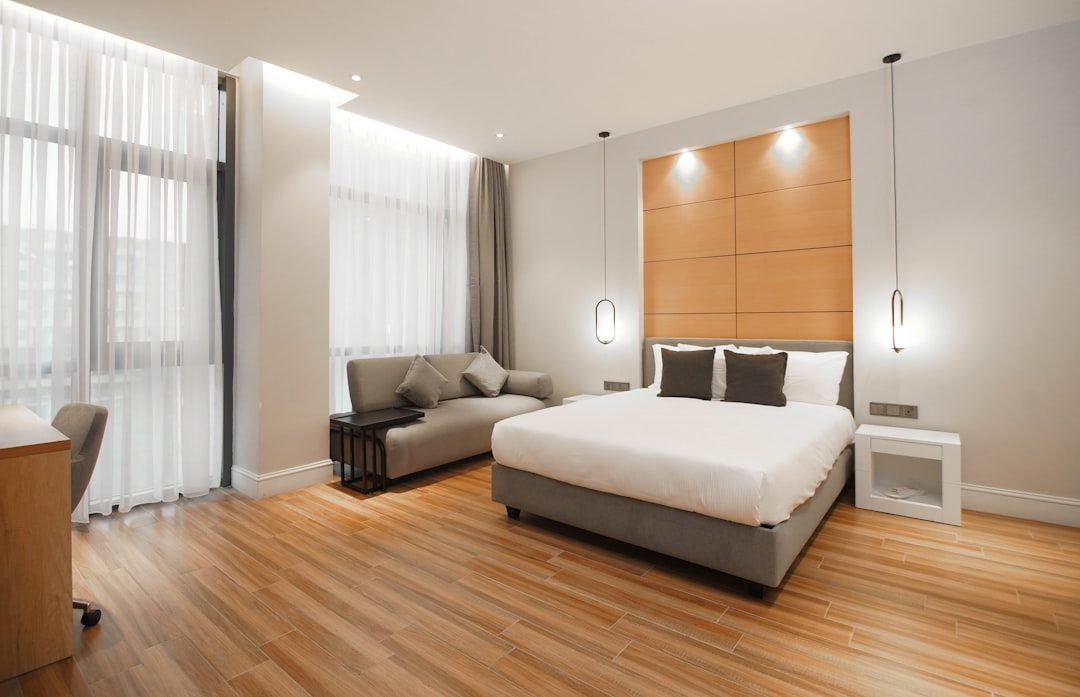
The hotel room you choose shapes your entire travel experience. A cramped space can transform a luxury vacation into a frustrating ordeal, while the right layout elevates even a business trip into something memorable.
Smart travelers understand that room selection goes beyond thread count and minibar prices. It’s about matching your specific needs with architectural design, understanding how space flows, and recognizing which amenities truly matter for your travel style.
Consider this your sophisticated guide to hotel room selection. We’ll explore the nuances of room categories, decode hotel marketing speak, and help you make informed decisions that ensure your accommodation enhances rather than hampers your journey.
Understanding Hotel Room Categories

Hotels use a complex hierarchy of room classifications that often confuses even seasoned travelers. The terminology varies dramatically between properties, making direct comparisons challenging without understanding the underlying structure.
Standard rooms typically occupy the smallest footprint in a hotel’s inventory. These entry-level accommodations focus on essential amenities within compact layouts. Don’t dismiss them immediately, many standard rooms in luxury properties offer superior comfort compared to upgraded rooms at mid-tier hotels.
Superior and deluxe categories usually indicate incremental improvements in size, view, or amenities. The distinction between these classifications remains frustratingly arbitrary across different hotel chains. Some properties use “superior” to indicate better views, while others reserve it for rooms with additional square footage.
1. Executive and Business Class Rooms
Executive rooms cater specifically to business travelers who need functional workspace within their accommodation. These rooms typically feature oversized desks, ergonomic seating, and enhanced connectivity options including multiple power outlets positioned strategically throughout the space.
The layout prioritizes productivity over leisure amenities. Expect dedicated work areas separated from sleeping quarters, often with improved lighting designed for extended computer use. Many executive rooms include complimentary breakfast and evening cocktails in dedicated lounges.
Business travelers should examine floor plans carefully. Some executive rooms sacrifice relaxation space for work functionality, creating an environment that feels more like an upscale office than a hotel room.
2. Junior Suites and One-Bedroom Suites
Junior suites offer the illusion of separation without actual walls dividing living and sleeping areas. These rooms typically feature L-shaped layouts with distinct zones for different activities, creating psychological separation within a single space.
True one-bedroom suites provide genuine privacy with physical barriers between sleeping and living areas. This separation proves invaluable for extended stays, entertaining guests, or maintaining work-life boundaries during business travel.
The additional space allows for more sophisticated furniture arrangements, including full-sized sofas, dining areas, and expanded bathroom facilities. Premium booking platforms often provide detailed suite layouts that help visualize space distribution before booking.
3. Specialty and Themed Rooms
Many hotels now offer specialty rooms designed around specific experiences or demographics. Family rooms incorporate bunk beds, gaming areas, or connecting door configurations. Romantic packages might include oversized soaking tubs, fireplaces, or private balconies with enhanced privacy.
Accessible rooms deserve special mention for their thoughtful design principles that benefit all travelers. These spaces typically offer more generous layouts, improved lighting, and bathroom configurations that many guests find superior to standard accommodations.
Specialty rooms often command premium prices, but the additional cost frequently proves worthwhile when the design aligns perfectly with your travel purpose and personal preferences.
Analyzing Room Layouts for Different Travel Purposes
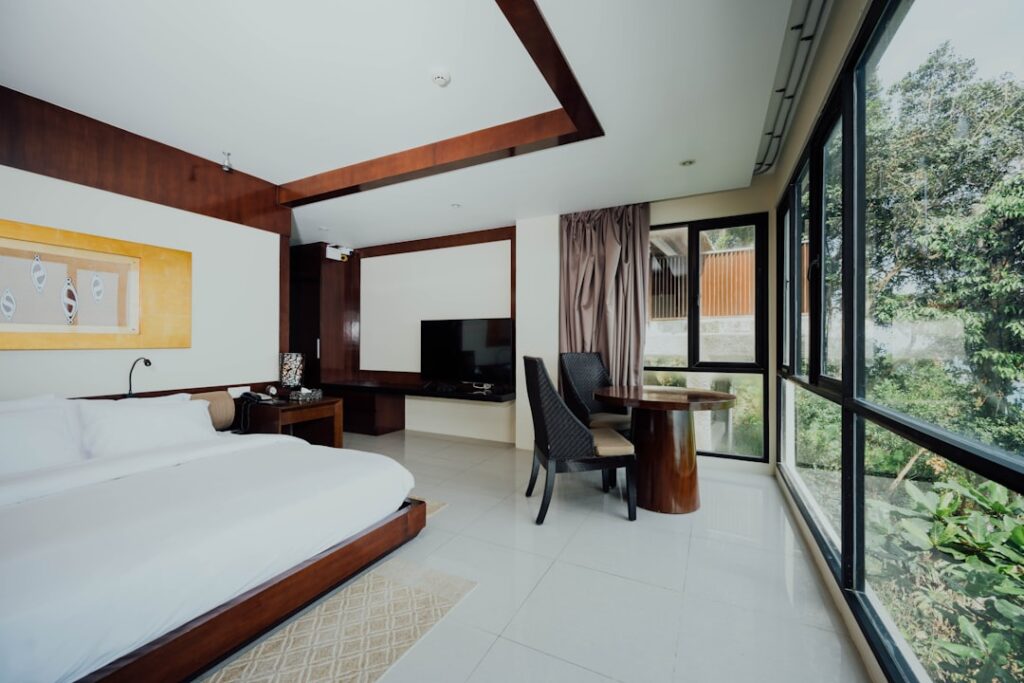
Your travel purpose should fundamentally influence room layout preferences. Business travelers have vastly different spatial needs compared to romantic getaway seekers or family vacation planners.
Understanding how you’ll actually use the space helps identify which layout elements truly matter. This analysis prevents you from paying premiums for amenities you’ll never use while ensuring you don’t overlook features that could significantly enhance your stay.
1. Business Travel Layout Priorities
Business travelers need clear separation between work and rest areas within their accommodation. Look for rooms with dedicated desk spaces positioned away from the bed, preferably near windows for natural light during daytime conference calls.
Bathroom placement becomes crucial for business travelers who frequently take calls while getting ready. Rooms with bathroom doors that don’t directly face the main living area provide better acoustics and privacy during early morning or late evening calls.
Storage solutions matter more for business travel than leisure trips. Seek rooms with proper closet space, multiple drawer configurations, and surfaces where you can organize documents and technology without cluttering sleeping areas.
Consider the specific needs of business travelers when evaluating room layouts, including proximity to business centers and meeting facilities.
2. Leisure and Romance Layout Considerations
Romantic getaways benefit from rooms that prioritize ambiance and intimacy over functionality. Look for layouts that create cozy seating areas, preferably with views or architectural features that serve as natural conversation focal points.
Bathroom design becomes particularly important for romantic stays. Rooms featuring oversized soaking tubs, separate shower stalls, or dual vanity configurations enhance the luxury experience and provide practical benefits for couples.
Privacy takes precedence over workspace efficiency. Rooms with balconies, patios, or secluded seating areas allow couples to enjoy intimate moments without feeling confined to the bed area.
3. Family Travel Layout Requirements
Family rooms require careful analysis of sleeping arrangements and safety considerations. Bunk bed configurations might seem appealing, but consider the ages and preferences of your children before committing to specialty sleeping arrangements.
Bathroom access becomes critical with multiple family members. Rooms with split bathroom facilities or multiple entry points prevent morning bottlenecks and provide better functionality for families with different schedules.
Storage needs multiply exponentially with family travel. Look for rooms with generous closet space, multiple dresser configurations, and surfaces where you can organize belongings for different family members without creating chaos.
The Family Vacation Critic provides excellent guidance on evaluating family-friendly room layouts and configurations.
Essential Amenities to Consider
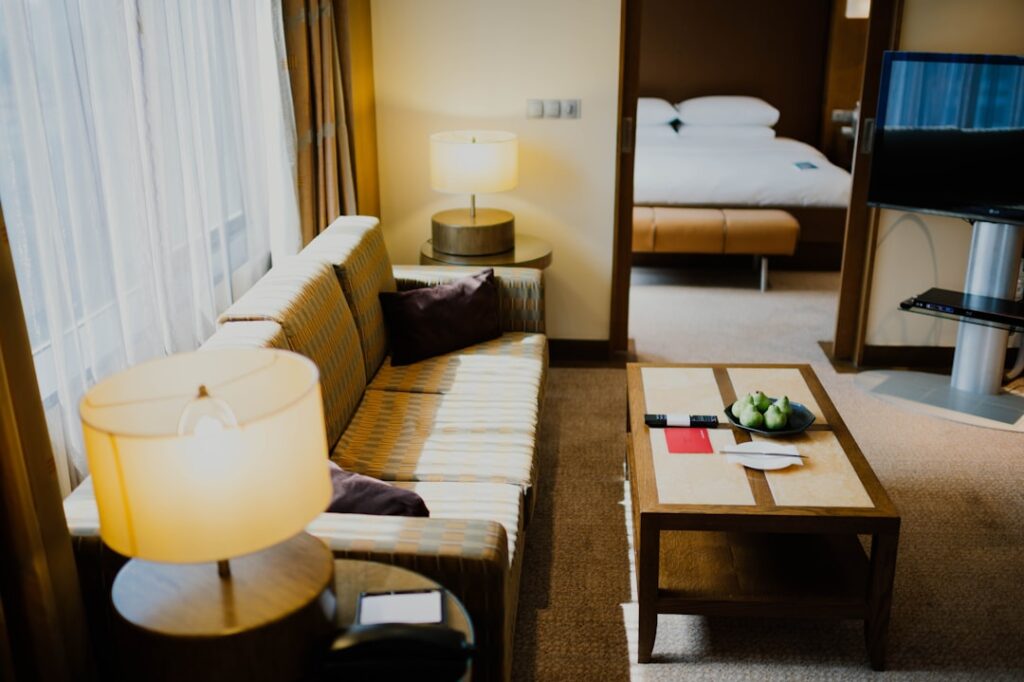
Modern hotel rooms offer an overwhelming array of amenities, but not all features provide equal value for every traveler. Understanding which amenities align with your priorities helps you make cost-effective decisions.
Technology integration has become increasingly important in hotel room design. However, cutting-edge technology sometimes creates more frustration than convenience, particularly when systems are overly complex or poorly maintained.
1. Technology and Connectivity Features
Reliable WiFi remains the most crucial technology amenity for most travelers. However, connection quality varies dramatically within the same property. Rooms on higher floors or located closer to main router installations typically offer superior connectivity.
Power outlet placement and quantity have become critical considerations in our device-heavy travel era. Look for rooms with outlets positioned near desks, beside beds, and in bathroom areas for optimal convenience.
Smart room technology can enhance your stay when implemented properly. However, overly complex systems that control lighting, temperature, and entertainment through single interfaces often create more problems than they solve.
Advanced hotel booking platforms increasingly provide technology amenity details that help you evaluate these features before arrival.
2. Bathroom Amenities and Layout
Bathroom design significantly impacts room functionality and comfort. Single vanity configurations work fine for solo travelers but create bottlenecks for couples or business travelers with tight schedules.
Shower and bathing options vary dramatically between room categories. Walk-in showers appeal to most travelers, while oversized soaking tubs cater to relaxation-focused stays. Combination shower-tub units often satisfy neither purpose effectively.
Storage within bathrooms often gets overlooked during booking but proves crucial during your stay. Look for rooms with adequate counter space, shelving, and towel storage that doesn’t require creative solutions.
3. Climate Control and Lighting
Individual climate control allows you to customize your environment, but effectiveness varies based on room orientation, window placement, and HVAC system design. Corner rooms and those facing east or west often struggle with temperature regulation during peak sun hours.
Lighting flexibility enhances both functionality and ambiance. Rooms with multiple lighting zones, dimmer controls, and a mix of ambient and task lighting provide superior comfort for various activities.
Natural light access affects your circadian rhythm and overall room satisfaction. However, excessive morning sun exposure might disturb sleep for travelers adjusting to different time zones.
Location Within the Hotel: Floor and Position Strategy

Your room’s position within the hotel structure affects everything from noise levels to view quality and service accessibility. Strategic location selection can dramatically improve your overall experience.
Most travelers focus solely on room category while ignoring location factors that significantly impact comfort and convenience. Understanding hotel layout principles helps you make informed location requests.
1. Floor Selection Considerations
Higher floors typically offer better views and reduced street noise, but they also mean longer elevator waits and potential challenges during peak usage periods. Floors between the 4th and 12th level often provide the optimal balance of benefits and convenience.
Ground floor rooms offer quick access to amenities and eliminate elevator dependency, but they sacrifice privacy and often deal with increased foot traffic noise. Security concerns also increase at ground level, particularly for rooms with direct exterior access.
Top floors provide the best views but may experience increased wind noise, temperature fluctuations, and service delays when elevators experience high demand during check-in and check-out periods.
Consider consulting Conde Nast Traveler’s room selection guide for additional insights on floor selection strategy.
2. Position Relative to Hotel Services
Rooms located near elevators provide convenience but often suffer from constant noise as guests come and go throughout the day and night. Request rooms at least three doors away from elevator banks for optimal noise reduction.
Proximity to ice machines, vending areas, and service elevators creates ongoing disturbance potential. These locations see frequent use, particularly during evening hours when noise becomes more noticeable.
Pool and fitness center adjacency affects different travelers differently. Early risers might appreciate quick gym access, while light sleepers should avoid areas where fitness equipment operates during extended hours.
3. View and Orientation Preferences
City views offer dynamic urban energy but often come with increased noise levels and light pollution that affects sleep quality. Consider your sensitivity to these factors when weighing view benefits against potential sleep disruption.
Ocean or natural views typically command premium prices but provide superior relaxation benefits for leisure travelers. However, weather conditions can dramatically affect view quality, particularly during certain seasons.
Courtyard views offer tranquility and privacy but may feel confining for extended stays. These rooms often provide better sleep environments while sacrificing the visual excitement of external vistas.
Budget Considerations and Value Assessment
Smart room selection requires understanding when upgrades provide genuine value versus when they represent marketing-driven premium pricing. This analysis helps you invest your accommodation budget strategically.
The relationship between price and value varies significantly based on your travel purpose, length of stay, and personal preferences. A premium room might prove worthwhile for a special occasion but unnecessary for brief business trips.
1. When to Invest in Room Upgrades
Extended stays of more than three nights typically justify room upgrade investments. The incremental daily cost becomes minimal when spread across multiple days, while the comfort benefits compound over time.
Special occasions warrant upgrade consideration, particularly when the room serves as a significant part of the overall experience rather than merely a place to sleep. Anniversary trips, milestone celebrations, or important business meetings fall into this category.
Group travel often benefits from suite upgrades that provide gathering space for multiple people. The per-person cost of premium space decreases while the functionality benefits increase significantly.
Sophisticated booking platforms often provide upgrade cost analysis tools that help you evaluate whether premium room features justify additional expense.
2. Hidden Costs and Fee Structures
Resort fees and amenity charges can dramatically affect the true cost of room upgrades. Some hotels bundle these fees with premium room categories, while others charge them separately regardless of room type.
Parking fees often correlate with room location within urban hotels. Premium rooms on higher floors might include valet parking, while standard rooms require separate parking arrangements with associated costs.
Minibar and honor bar systems vary between room categories. Upgraded rooms might include complimentary snacks and beverages that offset some premium pricing, particularly for longer stays.
3. Loyalty Program Benefits and Upgrades
Hotel loyalty programs frequently provide room upgrades based on availability and member status. Understanding these policies helps you time bookings and requests for maximum upgrade potential.
Elite status benefits often include late checkout, early check-in, and preferred room assignments that enhance your experience regardless of the base room category you’ve booked.
Point redemption strategies can make premium rooms accessible at lower cost than cash bookings, particularly during peak seasons when standard rooms command high rates.
The NerdWallet hotel loyalty guide provides comprehensive analysis of program benefits and strategies for maximizing room upgrade opportunities.
Making Your Final Selection
Successful hotel room selection requires synthesizing all these considerations into a decision matrix that prioritizes your specific needs and preferences. Create a simple ranking system that weights different factors according to your travel purpose.
Start by identifying your three most important room features, whether that’s workspace functionality, bathroom luxury, or view quality. Use these priorities to filter options and justify any premium pricing.
Don’t hesitate to contact hotels directly to discuss room options and request specific assignments. Hotel staff can often provide insights into room characteristics that aren’t apparent from online descriptions or photos.
Remember that perfect room selection enhances every aspect of your trip, from sleep quality to productivity to overall satisfaction. The investment in thoughtful room selection pays dividends throughout your entire travel experience.
Ready to find your perfect hotel room? Start exploring premium accommodation options that match your specific layout and amenity preferences for your next journey.
Leave a Reply