
In today’s hyperconnected world, hotel technology isn’t just a luxury. It’s an absolute necessity. Whether you’re closing deals from your suite or streaming content after a long day, the right tech infrastructure can make or break your travel experience.
The savvy traveler understands that a hotel’s digital capabilities extend far beyond basic Wi-Fi. From smart room controls to seamless connectivity solutions, technology defines the modern hospitality experience. Let’s explore how to identify and select accommodations that truly deliver on their digital promises.
1. Understanding Your Connectivity Requirements
Assess Your Digital Needs
Before booking any accommodation, conduct an honest assessment of your technology requirements. Business travelers often need robust upload speeds for video conferencing and file sharing. Leisure guests might prioritize streaming capabilities and social media connectivity.
Consider the number of devices you’ll be connecting simultaneously. Modern travelers typically carry smartphones, tablets, laptops, and various wearables. Each device demands bandwidth, and inferior networks quickly become overwhelmed during peak usage periods.
Factor in your planned activities as well. Virtual meetings require stable, high-speed connections with minimal latency. Content creation and cloud storage synchronization demand substantial upload capabilities that many hotels overlook in their infrastructure planning.
Identify Peak Usage Times
Hotel internet performance varies dramatically throughout the day. Business hotels typically experience peak congestion during morning and evening hours when guests check emails and attend virtual meetings. Resort properties see different patterns, with higher usage during weather-dependent periods.
Understanding these patterns helps you evaluate whether a hotel’s infrastructure can handle your specific needs. Properties that invest in scalable bandwidth solutions maintain consistent performance regardless of occupancy levels or usage spikes.
2. Evaluating Internet Speed and Reliability

Understanding Speed Requirements
Different online activities require varying bandwidth levels. Basic web browsing and email function adequately with 1-5 Mbps connections. Video conferencing demands 3-10 Mbps for quality performance, while 4K streaming requires 25+ Mbps for optimal viewing experiences.
However, advertised speeds often differ significantly from actual performance. Hotels frequently promote their maximum theoretical speeds without acknowledging real-world limitations during peak usage periods. Always investigate actual user experiences through recent reviews and testimonials.
Upload speeds deserve particular attention for business travelers. Many hotels focus solely on download speeds while neglecting upload capabilities essential for video calls, file sharing, and cloud synchronization. Balanced connections provide similar upload and download speeds.
Testing Connection Reliability
Consistent connectivity matters more than occasional speed bursts. Intermittent connections disrupt video calls, interrupt file transfers, and create frustrating user experiences. Quality hotels invest in redundant internet connections and backup systems to ensure continuous service.
Look for properties that provide dedicated business centers with enhanced connectivity options. These facilities typically feature enterprise-grade connections separate from general guest networks, offering superior reliability for critical business functions.
Professional hospitality platforms often feature detailed connectivity information and guest reviews that highlight actual performance rather than marketing claims. These resources provide valuable insights into real-world internet experiences.
3. Smart Room Technology Features

Climate and Lighting Control Systems
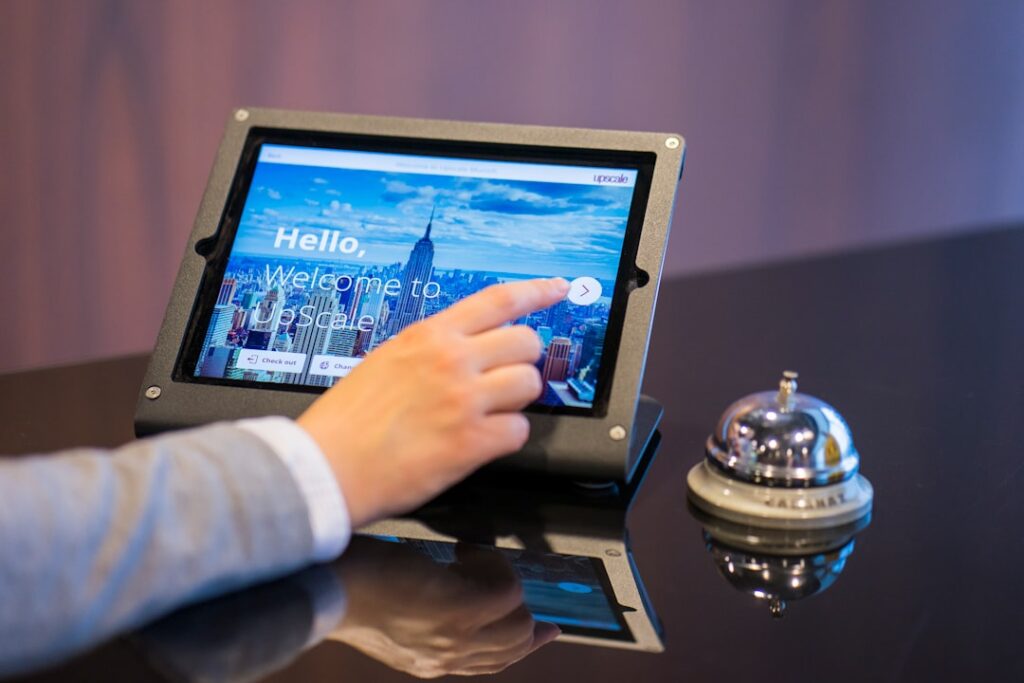
Modern smart rooms integrate climate, lighting, and entertainment systems through intuitive control interfaces. Premium properties offer smartphone apps or tablet-based controls that allow guests to customize their environment before arrival and throughout their stay.
Advanced systems learn guest preferences and automatically adjust settings based on occupancy, time of day, and external conditions. These features enhance comfort while demonstrating the property’s commitment to technological innovation and guest satisfaction.
Voice-activated controls represent the latest evolution in room automation. Properties partnering with major voice assistant platforms provide hands-free control over room functions, information requests, and hotel services.
Entertainment and Connectivity Options
Smart televisions with streaming capabilities eliminate the need for personal devices and cables. Look for properties offering major streaming platform integration, allowing you to access your personal accounts and content libraries seamlessly.
Wireless presentation systems benefit business travelers who need to share content during in-room meetings or presentations. These systems support multiple device types and operating systems without requiring specific apps or complex setup procedures.
USB charging ports and wireless charging pads integrated into furniture demonstrate thoughtful design consideration. Properties that provide multiple charging options throughout the room understand modern travelers’ device dependencies and power requirements.
4. Business-Focused Technology Amenities

Video Conferencing Capabilities
Dedicated video conferencing facilities with professional lighting, acoustics, and camera systems provide superior alternatives to makeshift room setups. Properties catering to business travelers often feature bookable conference spaces with enterprise-grade technology.
In-room video conferencing support includes proper lighting positioning, noise reduction features, and stable internet connections optimized for real-time communication. Some properties provide professional webcams and headsets upon request.
Consider properties that offer technical support services for business functions. Having on-site staff available to troubleshoot connectivity issues or provide equipment assistance can prove invaluable during critical business activities.
Printing and Document Services
Modern business centers feature cloud printing capabilities, allowing guests to print documents directly from mobile devices or cloud storage platforms. This eliminates the need for USB drives or email transfers to access printing services.
24-hour access to business facilities ensures that urgent document needs can be addressed regardless of arrival times or meeting schedules. Properties with self-service kiosks provide flexible options for quick printing, scanning, and copying tasks.
Leading hotel booking platforms typically highlight business amenities and technology features, making it easier to identify properties that cater specifically to professional travelers’ needs.
5. Researching Hotel Technology Before Booking
Reading Recent Guest Reviews
Guest reviews provide unfiltered insights into actual technology performance. Focus on reviews from the past six months, as hotels frequently upgrade their systems and infrastructure. Pay particular attention to comments about internet speed, reliability, and smart room functionality.
Business traveler reviews often contain specific details about connectivity performance during video calls and file transfers. These accounts provide realistic expectations about the property’s ability to support professional activities.
Look for patterns in review feedback rather than isolated complaints. Consistent mentions of slow internet or malfunctioning smart features indicate systemic issues rather than temporary problems.
Contacting Hotels Directly
Direct communication with hotel staff allows you to ask specific questions about technology capabilities and recent upgrades. Inquire about internet speeds, network capacity, and any premium connectivity options available for business travelers.
Request information about smart room features and their functionality. Hotels invested in technology will enthusiastically describe their capabilities, while properties with limited tech offerings may provide vague or evasive responses.
Ask about technical support availability and response procedures for technology-related issues. Properties with robust tech infrastructure typically have dedicated support protocols and staff training programs.
6. Premium Connectivity Options and Upgrades
Understanding Tiered Internet Services
Many hotels offer multiple internet service tiers, from basic complimentary access to premium high-speed options. Business-grade connections typically provide guaranteed bandwidth, priority network access, and enhanced security features.
Premium internet services often include dedicated support channels and faster issue resolution procedures. The additional cost frequently justifies itself through improved productivity and reduced frustration during critical business activities.
Some properties provide complimentary premium internet access to loyalty program members or suite guests. These perks can significantly enhance your technology experience without additional charges.
Dedicated Business Floors and Facilities
Executive floors and business-focused accommodations typically feature enhanced technology infrastructure separate from general guest networks. These areas often provide superior connectivity, dedicated workspaces, and additional technical amenities.
Business lounges frequently offer quiet environments with premium internet access, printing facilities, and technical support services. Access to these facilities can justify higher room rates through improved productivity and convenience.
Specialized travel platforms often provide detailed information about premium amenities and business-focused features that standard booking sites might overlook.
7. Mobile Apps and Digital Hotel Services
Comprehensive Hotel Mobile Applications
Quality hotel apps provide seamless integration with property systems, enabling mobile check-in, room selection, and digital key functionality. These features reduce lobby wait times and provide flexible arrival options for busy travelers.
Advanced applications offer room service ordering, housekeeping requests, and concierge services through intuitive mobile interfaces. Properties investing in app development typically demonstrate broader commitments to technology integration and guest convenience.
Push notification capabilities keep guests informed about service updates, local events, and property amenities. Well-designed apps enhance the overall travel experience while showcasing the hotel’s technological sophistication.
Digital Key and Access Systems
Smartphone-based room access eliminates the need for physical key cards while providing enhanced security features. Digital keys cannot be easily duplicated or lost, and hotels can instantly revoke access when necessary.
Integration with mobile apps allows guests to unlock rooms, elevators, and other hotel facilities using their smartphones. This technology particularly benefits travelers with multiple devices or those prone to misplacing key cards.
Some systems provide temporary access codes for companions or service providers, offering flexible security options without compromising safety protocols.
8. Evaluating Hotel Technology Infrastructure
Network Security and Privacy Considerations
Hotel networks present unique security challenges due to shared access among numerous guests. Properties implementing enterprise-grade security protocols protect guest data through encryption, network segmentation, and regular security updates.
Look for hotels that provide guest network isolation, preventing other users from accessing your connected devices. Quality properties also offer VPN-friendly connections that don’t interfere with corporate security requirements.
Inquire about data retention policies and network monitoring practices. Reputable hotels maintain transparent privacy policies and implement appropriate safeguards for guest information protection.
Backup Systems and Redundancy
Reliable hotels invest in redundant internet connections and backup power systems to maintain connectivity during outages or technical failures. These investments demonstrate serious commitments to guest satisfaction and service continuity.
Properties with multiple internet service providers can seamlessly switch between connections when issues arise. This redundancy proves essential for business travelers who cannot afford connectivity interruptions during critical activities.
Backup power systems for networking equipment ensure that internet access continues during electrical outages. Hotels in areas prone to power issues should prioritize these infrastructure investments.
9. Future-Proofing Your Hotel Technology Experience
Emerging Technology Adoption
Forward-thinking hotels actively adopt emerging technologies such as 5G networks, IoT integration, and artificial intelligence applications. Properties embracing innovation typically provide superior guest experiences and stay ahead of industry trends.
Wi-Fi 6 implementation offers significantly improved performance, especially in high-density environments. Hotels upgrading to the latest wireless standards demonstrate commitments to maintaining competitive technology offerings.
Contactless service options gained importance during recent global events and continue providing convenient alternatives for tech-savvy travelers. Properties offering comprehensive contactless experiences appeal to guests preferring minimal physical interactions.
Ready to find your perfect tech-enabled accommodation? Research properties thoroughly, ask specific questions about connectivity and smart features, and prioritize hotels that invest seriously in their digital infrastructure.
Sustainable Technology Practices
Environmentally conscious travelers increasingly seek properties implementing sustainable technology practices. Smart energy management systems, efficient lighting controls, and optimized HVAC systems reduce environmental impact while maintaining comfort.
Digital service delivery reduces paper waste while improving service efficiency. Properties offering comprehensive digital alternatives to traditional printed materials appeal to environmentally aware guests while showcasing technological sophistication.
Energy monitoring systems provide transparency about resource consumption and environmental impact. Hotels sharing sustainability data demonstrate accountability and commitment to responsible hospitality practices.
The modern hotel experience revolves around seamless technology integration that enhances rather than complicates your travel experience. By thoroughly evaluating connectivity options, smart room features, and digital services, you can select accommodations that truly support your personal and professional needs. Remember that investing in quality technology amenities pays dividends through increased productivity, enhanced comfort, and reduced travel stress. Choose wisely, and your hotel technology will work for you, not against you.
Leave a Reply