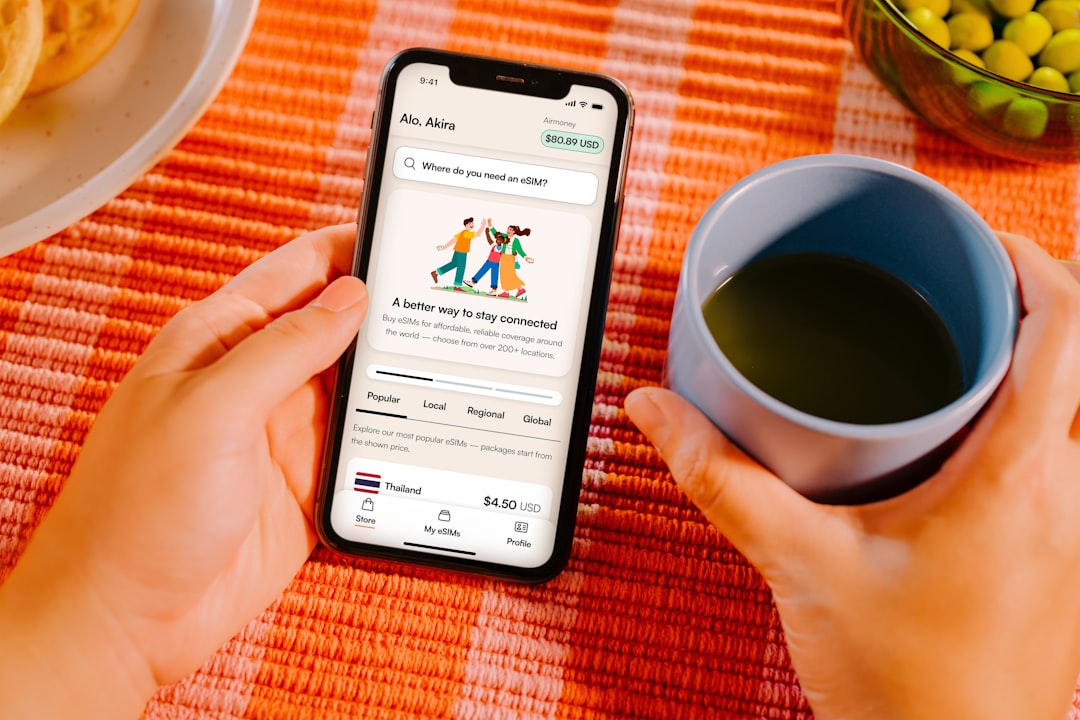
The art of securing the perfect hotel room at the perfect price has transformed dramatically with the rise of mobile travel apps. Gone are the days of calling hotels directly or relying solely on desktop booking sites. Today’s sophisticated traveler leverages technology to unlock substantial savings, often securing rates that would make seasoned travel agents envious.
But timing remains everything. The difference between booking at the optimal moment versus a poor one can mean saving hundreds of dollars on a single reservation. Smart hotel booking requires understanding the intricate dance between supply, demand, and algorithmic pricing strategies.
The stakes are higher than ever. With dynamic pricing models adjusting rates multiple times per day, knowing exactly when to pull the trigger on that booking can transform an expensive getaway into an affordable luxury experience.
The Science Behind Hotel Pricing Algorithms

Modern hotel pricing operates on sophisticated algorithms that analyze dozens of variables simultaneously. These systems process everything from local events and weather patterns to competitor pricing and historical booking data. Travel apps tap directly into these systems, often providing real-time updates that desktop sites can’t match.
The algorithms favor certain booking windows based on property type and destination. Business hotels typically see price drops closer to arrival dates, while resort properties often offer their best rates weeks or months in advance. Understanding these patterns gives you a significant advantage in the booking game.
Most travelers book reactively, responding to immediate needs rather than strategic timing. This approach consistently results in higher prices. The savvy traveler thinks like a chess player, anticipating market movements and positioning themselves for optimal pricing opportunities.
Peak Timing Windows for Maximum Savings

1. The Tuesday Sweet Spot
Industry data consistently shows Tuesday as the optimal day for hotel bookings. Hotels release their weekly inventory adjustments on Monday evenings, making Tuesday morning the prime time to capture newly reduced rates. This pattern holds especially true for business destinations and urban properties.
The Tuesday advantage becomes even more pronounced when booking through mobile apps. These platforms often receive priority updates from hotel revenue management systems, giving app users first access to adjusted pricing. Professional travelers have exploited this pattern for years.
2. The 15-Day Rule for Business Travel
Business hotels follow predictable patterns based on corporate booking cycles. Most business travelers book 7-14 days in advance, creating a pricing sweet spot exactly 15 days before arrival. Hotels haven’t yet implemented premium pricing, but early bird discounts begin appearing.
This window works particularly well in major business centers like New York, London, or Singapore. Corporate rates dominate closer to arrival, pushing leisure traveler prices higher. Strike during this 15-day window for optimal business hotel rates.
3. Last-Minute Luxury Opportunities
Contrary to popular belief, luxury hotels often slash prices dramatically within 24-48 hours of arrival. Their revenue management systems prioritize occupancy over rate integrity once immediate availability becomes apparent. High-end properties would rather sell rooms at reduced rates than leave them empty.
This strategy requires flexibility and nerves of steel. Not every destination or date will produce last-minute deals, but when they appear, the savings can be extraordinary. Five-star properties sometimes offer rates comparable to mid-range competitors during these windows.
Seasonal Booking Strategies That Actually Work

1. Summer Travel Booking Timeline
Summer represents the most complex booking season due to varying demand patterns across different regions. European city breaks see optimal pricing 6-8 weeks in advance, while beach destinations often reward even earlier bookings. The key lies in understanding your specific destination’s peak demand periods.
Mediterranean resorts typically hit their pricing peak in early April as summer bookings accelerate. Smart travelers lock in rates during the January-February window when properties focus on filling shoulder season inventory. Industry research confirms this pattern across major European beach destinations.
2. Winter Holiday Optimization
Winter holiday travel presents unique opportunities for strategic booking. Ski destinations follow weather-dependent pricing, while warm-weather escapes see more predictable patterns. The optimal booking window typically falls 10-12 weeks before arrival, just as properties begin releasing holiday inventory.
December travel rates often fluctuate based on business travel patterns. The week between Christmas and New Year sees premium pricing, but the weeks immediately before and after offer surprising value. Travel apps excel at capturing these short-term pricing windows.
3. Spring and Fall Shoulder Season Secrets
Shoulder seasons reward spontaneous booking behavior more than any other time period. Hotels struggle to predict demand during these transitional periods, leading to frequent rate adjustments. App-based booking becomes particularly valuable as properties push real-time inventory updates.
The optimal booking window shortens to just 5-7 days in advance during shoulder seasons. Properties often hold rates steady until the final week, then adjust dramatically based on actual booking pace. Patient travelers who monitor apps daily can capture exceptional value.
Mobile App Advantages Over Traditional Booking Methods
1. Real-Time Price Monitoring
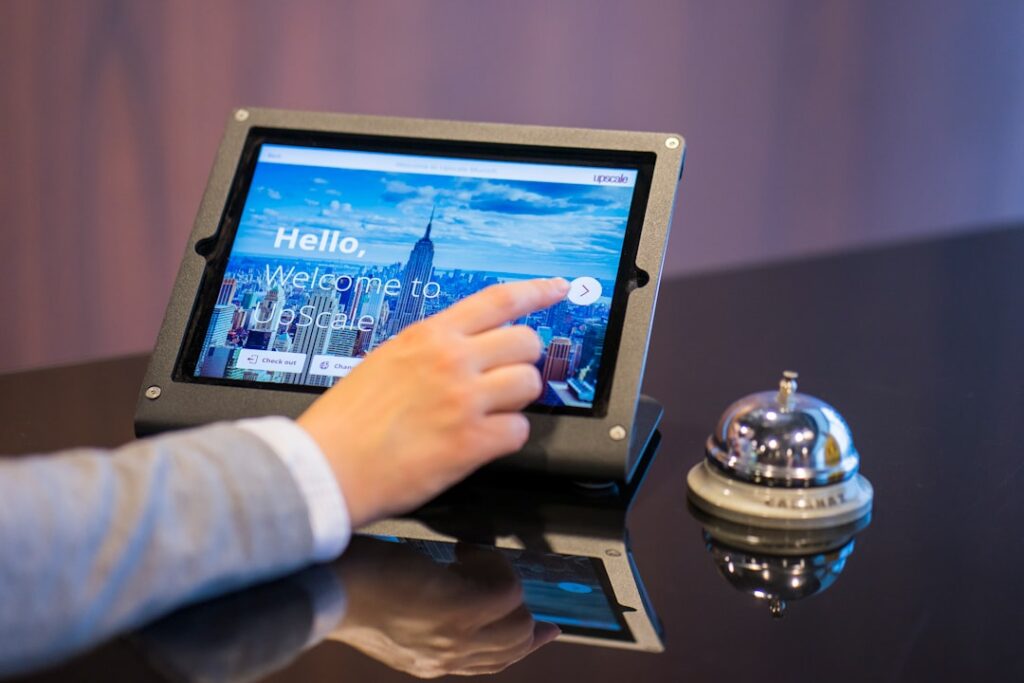
Travel apps provide unmatched access to real-time pricing updates. While desktop sites might refresh rates every few hours, mobile apps often sync with hotel systems every 15-30 minutes. This frequency advantage becomes crucial during high-volatility periods when rates change multiple times daily.
Push notifications allow travelers to monitor specific properties without constant manual checking. Set up alerts for your target destinations and let the technology work for you. Advanced booking strategies leverage these notification systems to capture optimal pricing windows automatically.
2. Location-Based Deals and Flash Sales
Mobile apps utilize GPS technology to offer location-specific promotions unavailable through other channels. Properties often push last-minute inventory to travelers already in the area, creating unique opportunities for spontaneous bookings. These geo-targeted deals rarely appear on desktop platforms.
The location-based advantage extends beyond immediate bookings. Apps track user travel patterns and can predict future travel needs, presenting targeted offers for frequently visited destinations. This personalization creates opportunities for proactive deal capture.
3. Exclusive App-Only Rates and Promotions
Many hotel chains and booking platforms reserve their most aggressive pricing for mobile app users. These exclusive rates reflect the lower transaction costs associated with app bookings and the higher likelihood of direct customer relationships. App-only promotions can deliver savings of 10-25% compared to identical desktop rates.
Loyalty program integration works more seamlessly through mobile apps, often unlocking additional rate reductions or upgrade opportunities. The combination of app-exclusive pricing and loyalty benefits creates a compelling value proposition for frequent travelers.
Day-of-Week Booking Patterns That Save Money
Hotel pricing follows predictable weekly patterns that vary significantly by property type and location. Business hotels typically see their highest rates on Monday and Tuesday nights, with corresponding booking price increases on preceding days. Leisure properties often peak on Friday and Saturday nights, making Thursday the worst day to book weekend stays.
The optimal booking days shift based on your target travel dates. For weekday business travel, book on weekends when business demand appears lower to revenue management systems. For weekend leisure travel, Tuesday and Wednesday bookings often capture the best available rates.
International destinations introduce additional complexity as local business patterns influence pricing. Asian business hotels may follow different weekly patterns than their American counterparts. Revenue management experts recommend researching local business customs before establishing booking timing strategies.
Geographic Variations in Optimal Booking Windows
1. North American Market Patterns
North American hotels typically follow predictable booking patterns based on business travel cycles and seasonal tourism. Major cities like New York, Chicago, and Toronto see optimal pricing 2-3 weeks in advance, while resort destinations prefer longer booking windows of 6-8 weeks.
Regional variations within North America create additional opportunities. Mountain destinations follow weather-dependent pricing, while beach properties operate on more seasonal schedules. Understanding these regional nuances helps optimize booking timing for maximum savings.
2. European Booking Dynamics
European hotel markets operate on different booking cycles than their American counterparts. Business travel typically books closer to arrival dates, while leisure travel rewards earlier planning. The optimal booking window for London hotels differs significantly from Amsterdam or Rome properties.
Cultural factors influence European hotel pricing more than other regions. Local holidays, religious observances, and regional business customs all impact rate fluctuations. Successful European hotel booking requires understanding these cultural nuances and timing bookings accordingly.
3. Asian Market Opportunities
Asian hotel markets present unique opportunities for strategic booking due to different business travel patterns and seasonal variations. Japanese hotels often reward very early booking, while Southeast Asian properties may offer better last-minute rates. Understanding these regional differences unlocks substantial savings opportunities.
The rise of domestic Asian travel has altered traditional booking patterns in many markets. Properties that once catered primarily to international travelers now balance local and international demand, creating new pricing windows and opportunities for savvy travelers.
Advanced Strategies for Power Users
1. Multi-App Price Comparison Techniques
Professional travelers often monitor multiple apps simultaneously to capture the best available rates. Different platforms maintain relationships with different hotel groups, creating rate disparities that can be exploited through strategic comparison shopping. The key lies in understanding which apps excel for specific property types or destinations.
Rate parity agreements theoretically ensure consistent pricing across platforms, but implementation varies significantly. Apps often offer different promotional structures, loyalty program integrations, or exclusive inventory that creates pricing advantages. Smart travelers exploit these platform-specific benefits systematically.
2. Booking and Rebooking Optimization
Sophisticated travelers book early to secure inventory, then monitor rates continuously for opportunities to rebook at lower prices. Most platforms allow free cancellation within specific windows, creating opportunities to optimize pricing without losing preferred room inventory. This strategy requires disciplined monitoring but can yield substantial savings.
The rebooking strategy works particularly well for extended stays or high-value bookings where even small percentage savings translate to significant dollar amounts. Industry analysis shows experienced travelers save an average of 15-20% through systematic rebooking practices.
Ready to start saving on your hotel bookings? Download multiple travel apps today and begin monitoring rates for your next trip. The optimal booking window might be right now.
3. Loyalty Program Integration and Timing
Hotel loyalty programs often provide rate guarantees or exclusive booking windows that can be leveraged for optimal timing. Elite status members frequently receive advance access to promotional rates or inventory releases. Understanding how loyalty benefits interact with booking timing creates additional optimization opportunities.
The value of loyalty program integration extends beyond simple rate reductions. Upgrade availability, flexible cancellation policies, and exclusive amenities all factor into the overall value equation. Strategic travelers time their bookings to maximize both rate savings and loyalty program benefits simultaneously.
Common Booking Mistakes That Cost Money
The biggest mistake travelers make involves booking reactively rather than strategically. Waiting until immediate travel needs arise consistently results in higher prices and limited inventory. Successful hotel booking requires thinking ahead and understanding market dynamics rather than responding to immediate pressure.
Another costly error involves loyalty to single apps or platforms without comparison shopping. While convenience has value, blind loyalty often results in missed savings opportunities. The most successful travelers maintain relationships with multiple platforms and choose based on specific booking requirements rather than habit.
Ignoring cancellation policies represents perhaps the most expensive mistake of all. Travelers often sacrifice flexibility for marginally lower rates, then pay dramatically higher prices when plans change. Understanding cancellation windows and booking accordingly provides insurance against future rate increases while maintaining planning flexibility.
The modern traveler who masters hotel booking timing gains a significant advantage in both cost savings and travel experience quality. Mobile apps provide unprecedented access to real-time pricing and inventory information, but success requires understanding how to interpret and act on this data effectively. The difference between random booking and strategic timing often means the difference between an expensive trip and an affordable luxury experience.
Leave a Reply