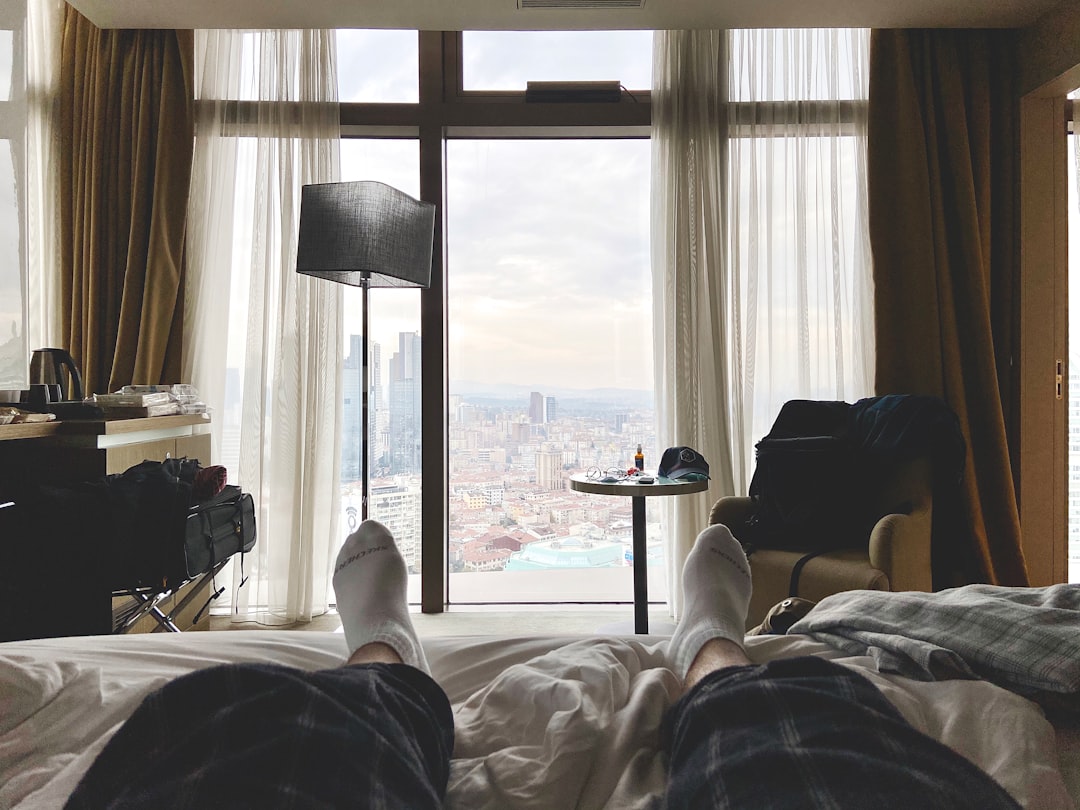
The art of hotel selection has evolved far beyond simply booking the cheapest option or picking the property with the most stars. Today’s sophisticated traveller understands that the perfect accommodation depends entirely on the length of stay. A boutique hotel that dazzles for a weekend getaway might become claustrophobic during a month-long business assignment.
Whether you’re planning a quick city break or an extended relocation, understanding the fundamental differences between short and long-stay requirements will transform your travel experience. The modern traveller needs to think strategically about amenities, location, pricing structures, and services that align with their specific timeline.
This comprehensive guide breaks down the essential factors that separate exceptional short-stay hotels from superior long-stay accommodations. You’ll discover how to evaluate properties like a seasoned travel professional and avoid the common pitfalls that leave guests frustrated and overspending.
Understanding Your Stay Duration Needs

The first step in hotel selection requires honest assessment of your travel patterns and specific requirements. Short stays, typically ranging from one to five nights, focus on convenience, location, and experience. Long stays, extending beyond a week, prioritise comfort, functionality, and value.
Business travellers often find themselves caught between these categories. A three-night conference trip demands different amenities than a six-week project assignment. Understanding these nuances prevents the frustration of booking accommodations that don’t match your actual needs.
Consider your daily routine during the stay. Short-term guests might prioritise proximity to attractions or meeting venues. Long-term residents need practical amenities like laundry facilities, kitchenettes, and reliable workspace areas that support extended living arrangements.
Short Stay Hotel Selection Strategies

1. Location Takes Priority Over Everything
For short stays, location trumps almost every other consideration. You want to maximise your limited time, not waste it commuting between your hotel and primary destinations. Premium accommodation platforms often filter properties by neighbourhood, making location-based searches more efficient.
Research walking distances to key venues using mapping applications before booking. A hotel that appears central on a small map might require lengthy transit connections. Calculate total travel time, including waiting periods and transfers, not just geographic proximity.
Consider the neighbourhood’s character and safety at different times. A vibrant business district might become deserted after hours, while a residential area could lack convenient dining options. The perfect short-stay location balances accessibility with practical amenities.
2. Premium Amenities and Services
Short-stay hotels should deliver exceptional service that creates memorable experiences quickly. Look for properties offering concierge services, express check-in options, and 24-hour room service. These premium touches become particularly valuable when your schedule is compressed.
Evaluate the quality of communal spaces like lobbies, bars, and restaurants. Short-stay guests often use these areas for business meetings or social interactions. Industry research shows that well-designed public spaces significantly impact guest satisfaction scores.
Don’t overlook technology amenities that support modern travel needs. High-speed wifi, universal charging stations, and smart room controls have become essential features. These seemingly minor details can make or break a short business trip or romantic getaway.
3. Flexible Booking Policies
Short-stay bookings benefit from flexible cancellation policies and modification options. Travel plans change frequently, especially for business trips or weekend breaks. Properties with restrictive policies might offer lower rates but create expensive complications if plans shift.
Look for hotels offering same-day booking availability and late check-in options. Short-stay travellers often book spontaneously or arrive outside standard hours. Properties that accommodate these patterns demonstrate understanding of their target market.
Consider loyalty program benefits that apply to short stays. Some hotel chains offer upgraded rooms, late checkout, or complimentary amenities for frequent guests. These perks become particularly valuable when time is limited.
Long Stay Accommodation Essentials

1. Kitchen Facilities and Storage Space
Extended stays require different amenities than traditional hotel rooms. Kitchen facilities become essential after the first week, when dining out for every meal becomes expensive and monotonous. Look for properties offering full kitchens or substantial kitchenettes with refrigerators, stovetops, and adequate counter space.
Storage considerations matter significantly for long stays. Standard hotel rooms lack sufficient closet space and storage solutions for extended wardrobes and personal items. Extended stay specialists understand these requirements and design rooms accordingly.
Evaluate the quality of kitchen appliances and cookware provided. Some properties offer basic facilities that look impressive but lack functionality for actual meal preparation. Read recent guest reviews focusing specifically on kitchen amenities and storage adequacy.
2. Workspace and Connectivity Requirements
Long-stay guests often need dedicated workspace areas that function as temporary offices. Look for properties offering proper desks, ergonomic seating, and adequate lighting for extended work sessions. A small table might suffice for short stays but becomes inadequate for week-long projects.
Reliable, high-speed internet becomes critical for extended stays. Test connection speeds and stability during your initial visit if possible. Business-grade connectivity should support video conferencing, file transfers, and multiple device connections simultaneously.
Consider additional workspace amenities like printing facilities, business centers, and quiet common areas. Extended stay properties often provide these services, recognizing that long-term guests need professional support infrastructure.
3. Weekly and Monthly Rate Structures
Long stays require different pricing approaches than nightly rates. Many properties offer substantial discounts for weekly or monthly bookings, but these deals aren’t always advertised prominently. Contact properties directly to inquire about extended stay rates and negotiate better terms.
Understand what’s included in extended stay rates versus additional charges. Some properties include utilities, wifi, and housekeeping in weekly rates, while others charge separately. Calculate the total cost including all services you’ll actually use.
Compare extended stay hotels with serviced apartment options and corporate housing alternatives. Comprehensive accommodation platforms often feature multiple property types, allowing direct comparison of long-term options in your target area.
Location Considerations by Stay Length

1. Short Stay Location Priorities
Short-stay travellers should prioritise proximity to their primary destinations above residential convenience. Tourist attractions, business venues, and entertainment districts become more important than grocery stores or residential amenities. Calculate door-to-door travel times to your most important locations.
Consider transportation hub accessibility for short stays. Properties near airports, train stations, or major transit connections save valuable time during compressed itineraries. However, balance convenience with noise considerations, especially for leisure travel.
Evaluate neighbourhood walkability and safety for short-term exploration. Walk Score metrics provide objective measurements of pedestrian-friendly areas, helping identify locations that maximise your limited exploration time.
2. Long Stay Location Strategy
Extended stays benefit from residential-style neighbourhoods with practical amenities like grocery stores, pharmacies, and everyday services. Think like a temporary resident rather than a tourist when evaluating long-term locations. You’ll need sustainable access to daily necessities.
Consider commute patterns if you’re staying for work purposes. A location that adds 30 minutes to your daily commute becomes significantly more burdensome over weeks than days. Factor in rush hour patterns and transportation reliability for extended periods.
Research neighbourhood character and community amenities for long stays. Parks, fitness facilities, libraries, and cultural venues become more important when you’re establishing temporary routines. These elements contribute to quality of life during extended assignments.
Budget Planning and Cost Considerations
1. Short Stay Budget Allocation
Short stays often justify premium spending on location and experience over cost efficiency. The convenience of a perfectly located boutique hotel might cost significantly more per night but save money overall through reduced transportation costs and time savings.
Factor in incidental costs that accumulate quickly during short stays. Parking fees, resort charges, and premium service costs can substantially increase your total expenditure. Research these additional fees before booking to avoid budget surprises.
Consider package deals that bundle accommodation with experiences or amenities you’ll actually use. Some properties offer attractive packages for short stays that provide better overall value than booking components separately.
2. Long Stay Financial Strategy
Extended stays require careful budget management across multiple categories. Weekly and monthly rates often provide substantial per-night savings, but you’ll need to factor in additional costs like groceries, utilities, and extended parking fees that short-stay guests don’t encounter.
Negotiate better rates for confirmed long stays, especially during off-peak periods. Properties often prefer guaranteed long-term bookings over uncertain short-term occupancy. Present yourself as a low-maintenance, reliable guest to improve your negotiating position.
Consider corporate housing alternatives and serviced apartments for stays exceeding two weeks. These options often provide better value and amenities for extended periods, even if nightly rates appear higher than traditional hotels.
Amenities That Matter Most
1. Essential Short Stay Amenities
Short-stay guests should prioritise amenities that enhance convenience and experience over practical daily living features. Premium bedding, luxury bathrooms, and exceptional service create memorable experiences that justify higher rates for brief visits.
Look for unique amenities that differentiate the property and enhance your specific travel purpose. Rooftop bars, spa services, or speciality restaurants might provide exactly the experience you’re seeking for a weekend getaway or celebration trip.
Technology amenities become particularly important for business short stays. Smart room controls, high-quality workspace lighting, and reliable connectivity support productive travel without technical frustrations.
2. Long Stay Amenity Priorities
Extended stays require practical amenities that support daily living routines. Laundry facilities, either in-room or on-property, become essential after the first week. Some properties offer complimentary laundry services for long-term guests, adding significant value.
Fitness facilities and recreational amenities gain importance during extended stays. A basic gym might seem irrelevant for a weekend trip but becomes valuable for maintaining routines during month-long assignments. Evaluate these facilities based on your actual usage patterns.
Housekeeping frequency becomes a consideration for long stays. Daily service might be excessive and intrusive, while weekly service might be insufficient. Look for properties offering flexible housekeeping schedules that match your preferences and privacy needs.
Making the Final Decision
The perfect hotel choice balances your specific requirements with practical constraints like budget and availability. Create a prioritised list of must-have features versus nice-to-have amenities based on your stay length and travel purpose.
Read recent guest reviews focusing on travellers with similar stay lengths and purposes. A business traveller’s week-long review provides more relevant insights for your extended stay than a tourist’s weekend experience. Look for patterns in feedback rather than isolated complaints or praise.
Consider booking flexibility and backup options, especially for extended stays. Properties that seem perfect online might have unexpected issues that become problematic over weeks rather than days. Research alternative accommodations in your target area as contingency options.
Ready to find your perfect accommodation? Explore comprehensive hotel options and compare short-stay versus long-stay properties to make an informed decision that matches your specific travel needs and preferences.
The modern traveller’s approach to hotel selection requires strategic thinking that goes beyond basic star ratings and price comparisons. By understanding the fundamental differences between short and long-stay requirements, you’ll consistently choose accommodations that enhance rather than complicate your travel experience.
Leave a Reply