
Solo travel has transformed from a niche pursuit into the ultimate expression of modern independence. Yet the art of selecting the perfect hotel remains a skill that separates seasoned solo travelers from weekend warriors. The stakes feel higher when you’re flying solo. No companion to share the burden of a disappointing room, no second opinion on that dimly lit lobby.
The modern solo traveler demands more than just a bed and bathroom. You need a carefully curated experience that balances safety, style, and substance. This isn’t about finding the cheapest option or the most Instagram-worthy suite. It’s about identifying accommodations that enhance your journey rather than merely house you for the night.
The hotel you choose becomes your sanctuary, your launching pad, and sometimes your office. Every decision matters when you’re the sole architect of your travel experience.
Location Strategy: Your Hotel as Home Base
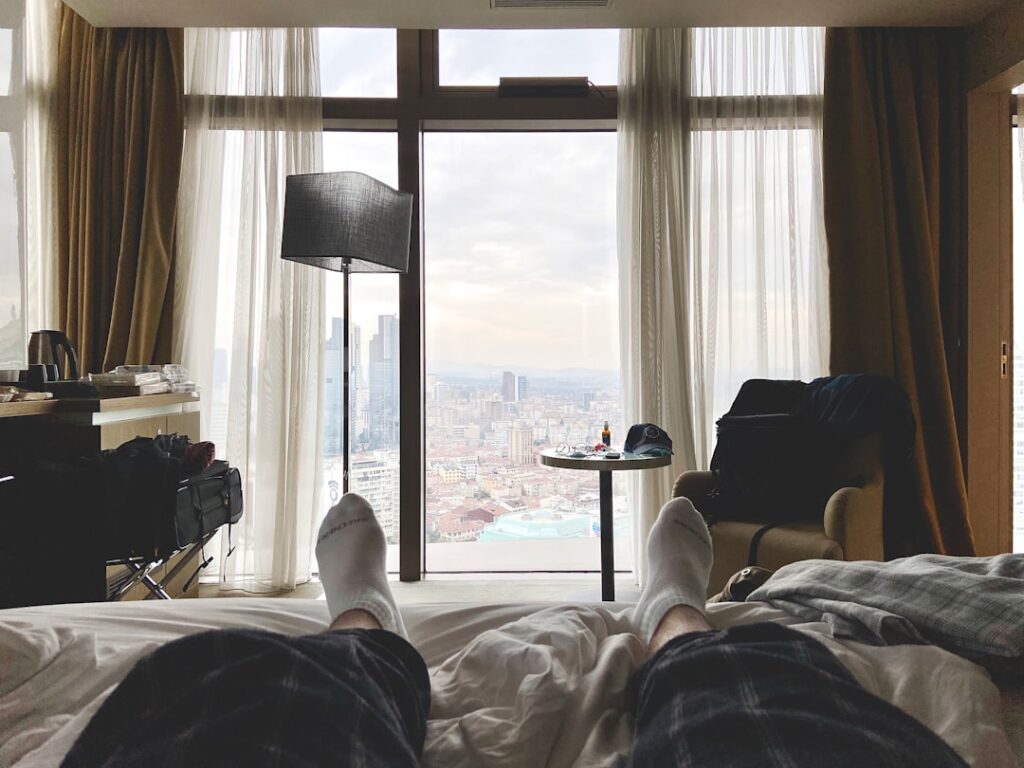
Location isn’t just real estate’s golden rule. For solo travelers, it’s survival strategy wrapped in sophistication. Your hotel’s neighborhood will define your entire experience, from morning coffee runs to late-night returns.
1. Research Neighborhood Safety and Walkability
The perfect solo travel location strikes a balance between vibrant energy and genuine security. Study crime statistics through local police department websites rather than relying solely on travel forums. Professional travel platforms often provide detailed neighborhood breakdowns that tourist sites skip.
Walkability scores matter more when you’re alone. You’ll want restaurants, cafes, and essential services within a comfortable walking distance. Apps like Walk Score provide detailed analyses of pedestrian-friendliness, but nothing replaces virtual street walks through Google Street View.
Pay attention to lighting after dark. Well-lit streets with consistent foot traffic signal neighborhoods that prioritize safety. Avoid areas that transform dramatically between day and night, regardless of how charming they appear during daylight hours.
2. Proximity to Transportation Hubs
Smart solo travelers think like urban planners. Position yourself near metro stations, bus routes, or taxi stands. This isn’t about convenience alone. It’s about maintaining options when plans change or situations feel uncomfortable.
Airport connectivity deserves special consideration for solo travelers. Early morning flights or late arrivals become significantly more stressful without reliable transportation options. Research public transit schedules and backup transportation methods before booking.
Consider the balance between central locations and emerging neighborhoods. Central districts offer predictable amenities but often lack personality. Emerging areas provide authentic experiences but require more research into safety and infrastructure.
3. Local Attraction Accessibility
Map your must-see destinations before selecting accommodation. Solo travelers benefit from hotels that serve as strategic waypoints between major attractions. This reduces navigation stress and maximizes exploration time.
Cultural districts often provide the perfect base for solo cultural enthusiasts. Museums, galleries, and performance venues cluster together, creating natural daily itineraries. Food and nightlife scenes follow similar geographic patterns.
Beach destinations require different location strategies. Beachfront hotels offer convenience but may isolate you from local culture. Consider properties within walking distance of both beach and town center for optimal flexibility.
Safety First: Non-Negotiable Security Features
Safety considerations for solo travelers extend far beyond basic security measures. The best hotels anticipate solo traveler needs without making you feel conspicuous or vulnerable.
1. 24-Hour Front Desk and Concierge Services
A staffed front desk provides more than check-in convenience. It offers human connection and local expertise exactly when you need it most. Night auditors become invaluable resources for solo travelers returning from evening activities or facing unexpected situations.
Quality concierge services act as your local insider network. They provide restaurant recommendations, transportation guidance, and cultural insights that guidebooks miss. Professional concierge associations maintain standards that ensure reliable service quality.
Evaluate staff responsiveness through recent guest reviews. Look for specific mentions of helpful night staff or concierge problem-solving abilities rather than generic positive comments.
2. Room Security and Layout Considerations
Request rooms between the third and sixth floors for optimal security balance. Ground floors offer easy escape routes but present higher break-in risks. Upper floors provide security but may complicate emergency evacuations.
Electronic key cards trump traditional keys for solo travelers. They can be quickly deactivated if lost or stolen. Verify that your room requires the key card for both entry and elevator access to your floor.
Room layout matters more when you’re alone. Avoid rooms with multiple entry points unless absolutely necessary. Corner rooms often provide quieter environments and fewer neighboring rooms, reducing potential disturbances.
3. Well-Lit Common Areas and Corridors
Lighting quality throughout the property indicates management attention to guest safety. Dimly lit hallways and parking areas suggest deferred maintenance and potential security vulnerabilities.
Common areas should feel welcoming rather than deserted. Lobby spaces with comfortable seating and good sight lines allow you to observe your surroundings while appearing naturally occupied with phone calls or reading.
Emergency lighting and exit signage provide crucial backup systems. Check that emergency exits are clearly marked and easily accessible from your room. This basic preparation proves invaluable during actual emergencies.
Solo-Friendly Amenities That Matter
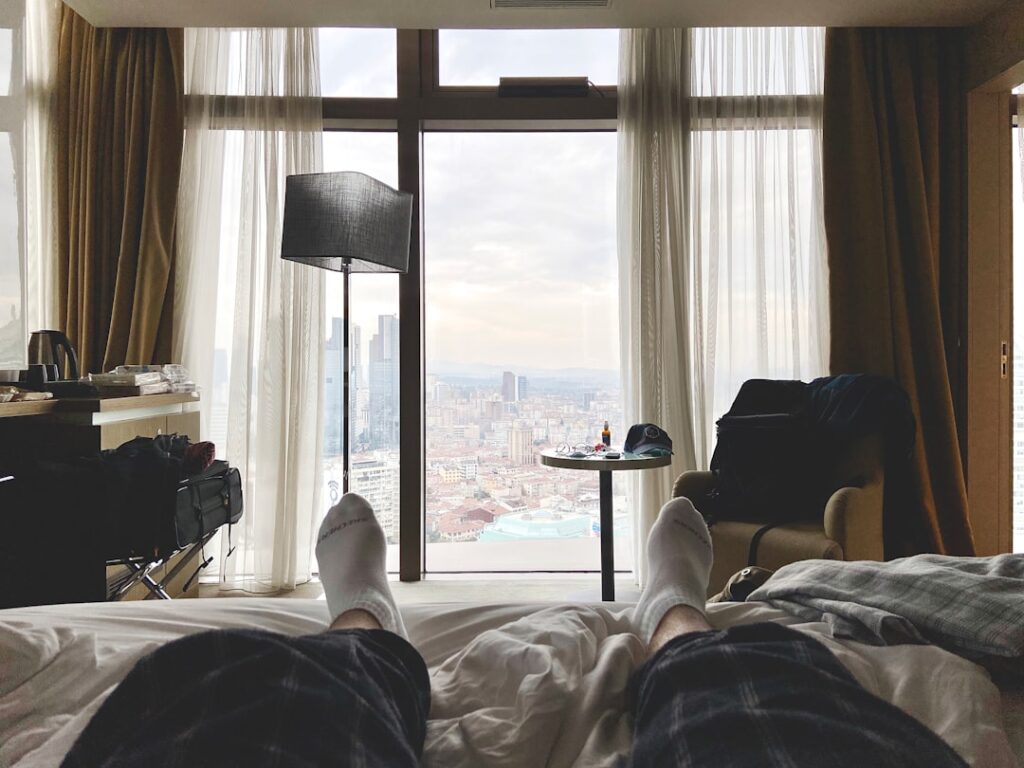
The right amenities can transform a standard hotel stay into a genuinely enriching solo travel experience. Focus on features that enhance independence while providing opportunities for social connection when desired.
1. Business Center and Reliable WiFi
High-speed internet isn’t luxury anymore. It’s essential infrastructure for modern solo travelers. Test WiFi speed and reliability through guest reviews or direct hotel inquiry before booking extended stays.
Business centers provide backup workspace and printing capabilities that solo travelers often need unexpectedly. Flight changes, visa documentation, and travel confirmations frequently require immediate attention when you’re traveling alone.
Multiple device connectivity matters more for solo travelers who rely entirely on personal technology. Verify that WiFi systems can handle smartphones, laptops, and tablets simultaneously without significant speed degradation.
2. Fitness Facilities and Pool Access
Exercise facilities offer structured activities that don’t require social interaction but provide opportunities for casual conversation. Hotel gyms often attract health-conscious travelers who share similar interests and travel philosophies.
Pool areas serve as natural social spaces for solo travelers seeking connection. Choose hotels where pool areas feel inviting rather than exclusive or intimidating. Family-friendly properties often create more welcoming environments for solo guests.
Operating hours for amenities deserve careful consideration. Quality accommodations maintain generous facility hours that accommodate different travel schedules and time zone adjustments.
3. Restaurant and Room Service Options
On-site dining provides fallback options when exploring local restaurants feels overwhelming or impractical. Hotel restaurants also offer opportunities to interact with staff who know the local area intimately.
Room service becomes particularly valuable for solo travelers dealing with jet lag, weather complications, or simply needing a quiet evening in familiar surroundings. Verify room service hours and menu variety before depending on this option.
Bar areas within hotels often attract interesting solo travelers and business professionals. Choose properties where the bar feels like a natural gathering place rather than a pickup scene or completely empty space.
Budget Considerations for Solo Stays

Solo travel budgeting requires different calculations than group travel planning. You can’t split costs, but you also control every spending decision. Smart budgeting maximizes value while maintaining the experiences that make solo travel worthwhile.
1. Understanding Single Occupancy Rates
Many hotels charge the same rate regardless of occupancy, but some properties still penalize solo travelers with single supplements. Research rate structures carefully and factor these costs into your total travel budget.
Package deals often favor couples or groups, but solo-specific promotions do exist. Travel publications frequently highlight solo travel deals that mainstream booking sites miss.
Consider booking directly with hotels rather than through third-party sites. Hotels often provide better service to direct bookings and may offer complimentary upgrades or amenities that enhance solo travel experiences.
2. Balancing Cost vs. Value for Money
Value calculations change when you’re traveling alone. A slightly more expensive hotel in a better location can eliminate transportation costs and safety concerns that budget properties might create.
Calculate the total cost of your accommodation choice, including transportation to and from airports or attractions. A central hotel with higher nightly rates often provides better overall value than cheaper properties requiring extensive taxi usage.
Factor in the value of time and peace of mind. Solo travelers can’t rely on companions to share research, navigation, or problem-solving burdens. Choosing accommodation that reduces these stresses justifies higher costs.
3. Loyalty Programs and Membership Benefits
Hotel loyalty programs provide consistent experiences that solo travelers particularly appreciate. Familiar check-in procedures, room layouts, and service standards reduce anxiety in unfamiliar destinations.
Elite status benefits become more valuable for solo travelers who depend entirely on hotel staff for local information and assistance. Complimentary upgrades, late checkout, and dedicated service lines provide concrete advantages.
Consider credit cards that offer hotel status or booking credits. Financial publications regularly analyze travel credit card benefits that can significantly reduce accommodation costs over time.
Reading Reviews Like a Pro
Review analysis becomes crucial when you’re making accommodation decisions without input from travel companions. Develop skills to identify genuine concerns versus isolated complaints or fake reviews.
1. Identifying Credible Solo Traveler Experiences
Seek reviews specifically from solo travelers who share your travel style and priorities. Business travelers, leisure tourists, and adventure seekers have different accommodation needs and standards.
Look for detailed reviews that mention specific features rather than generic praise or complaints. Credible reviews describe particular experiences with staff, amenities, or local area rather than making broad generalizations.
Cross-reference reviews across multiple platforms. Specialized booking platforms often attract more experienced travelers who provide detailed, helpful feedback compared to mainstream review sites.
2. Red Flags to Watch For
Patterns of complaints about staff responsiveness, cleanliness standards, or safety concerns should trigger immediate concern. Single negative reviews may reflect individual experiences, but recurring themes indicate systemic problems.
Pay attention to management responses to negative reviews. Professional, detailed responses that address specific concerns suggest hotels that care about guest experience and continuous improvement.
Be wary of properties with only extremely positive or negative reviews. Authentic accommodation typically receives mixed feedback that acknowledges both strengths and areas for improvement.
3. Seasonal and Timing Considerations
Review timing provides crucial context for solo travelers. Summer reviews may not reflect winter experiences, particularly in seasonal destinations or properties with outdoor amenities.
Consider reviews written during similar travel periods to your planned visit. Business district hotels may excel during weekdays but provide different experiences on weekends when corporate amenities close.
Recent reviews matter more than historical feedback for properties undergoing management changes or renovations. Focus on reviews from the past six months for the most relevant information.
Making the Final Decision
The perfect solo travel accommodation balances all these considerations into a choice that enhances rather than complicates your journey. Trust your research but remain flexible enough to adapt when situations change.
Create a simple scoring system that weights factors according to your personal priorities. Safety might outweigh budget considerations for some travelers, while location accessibility might trump luxury amenities for others.
Book with confidence once you’ve completed thorough research. Second-guessing accommodation choices wastes mental energy better spent on planning activities and experiences. The goal isn’t perfection but rather informed decision-making that supports your travel objectives.
Remember that accommodation serves your journey rather than defining it. Even imperfect hotel choices can lead to memorable experiences when approached with realistic expectations and positive attitudes.
Ready to put these strategies into practice? Start your search with properties that check your non-negotiable boxes, then evaluate options based on the factors that matter most for your specific travel style and destination goals.
Leave a Reply