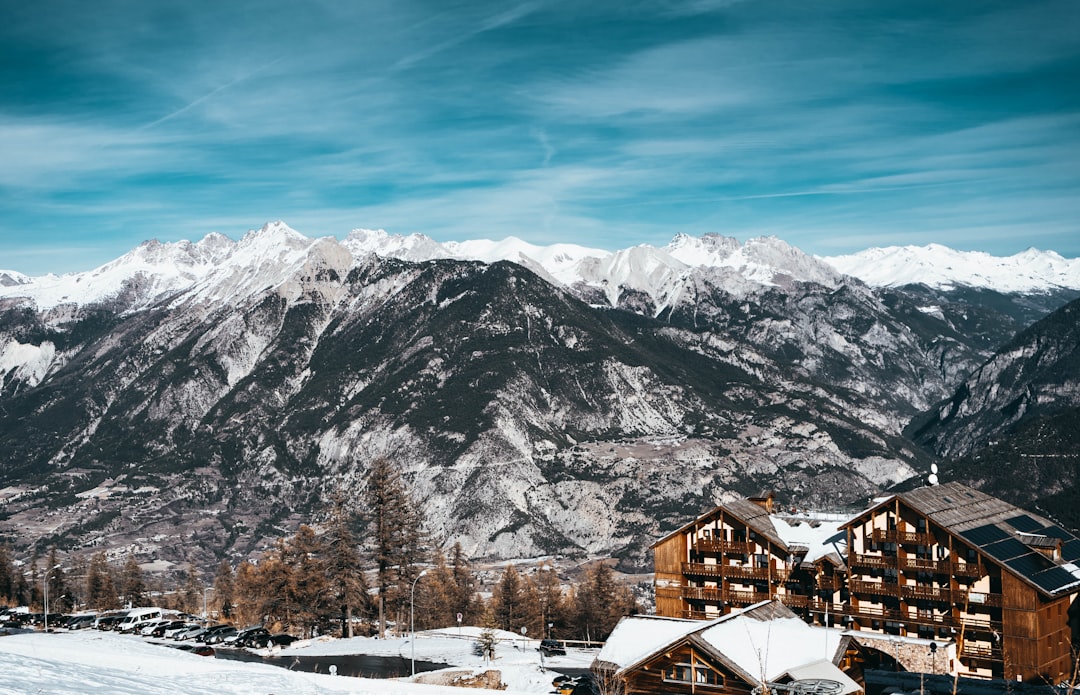
The Art of Strategic Winter Hotel Booking
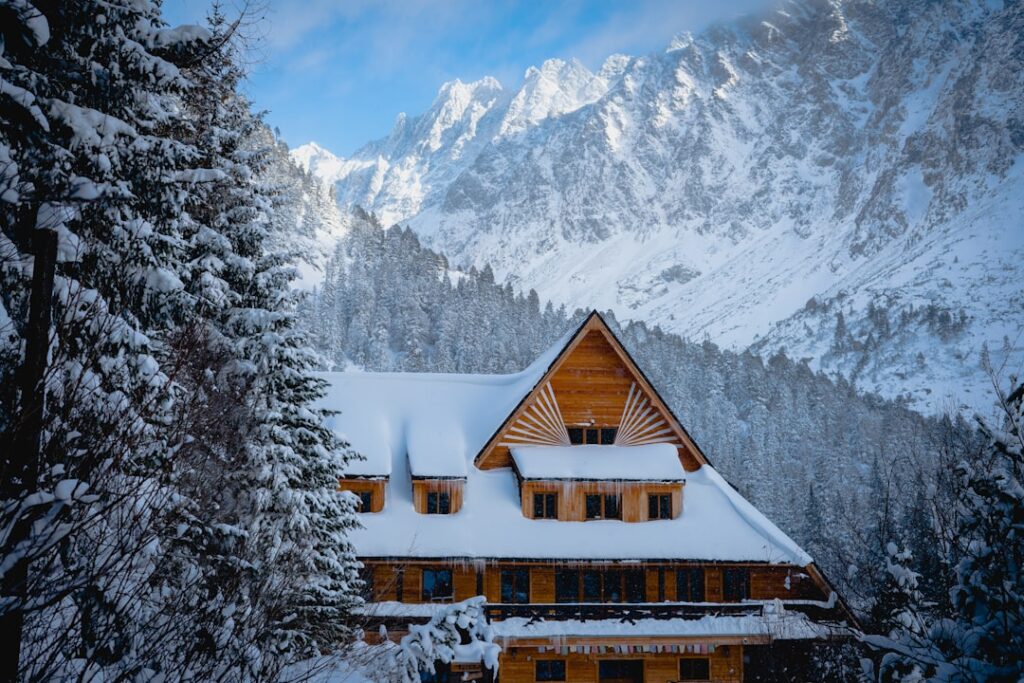
Winter travel demands more than just packing the right coat. It requires the finesse of a seasoned traveler who understands that timing isn’t just everything, it’s the difference between securing a coveted mountain lodge or settling for generic chain accommodation.
The sophisticated approach to winter hotel booking combines market intelligence with strategic patience. Unlike summer travel patterns, winter hospitality operates on an entirely different rhythm, one that rewards the informed and punishes the unprepared.
Understanding these patterns transforms you from a reactive booker into a strategic planner. The difference shows not just in your bank account, but in the quality of your entire winter escape.
Understanding Winter Travel Booking Cycles
1. The 90-Day Sweet Spot Strategy
Industry data consistently shows that the optimal booking window for winter accommodation sits between 60 to 90 days before your travel date. This timing strikes the perfect balance between early bird pricing and last-minute desperation rates.
Hotels release their winter inventory approximately four months ahead, but the best rates typically appear after this initial release period. Properties need time to gauge demand patterns before adjusting their pricing strategies accordingly.
For premium destinations like Aspen or St. Moritz, extending this window to 120 days often yields superior results. Luxury accommodation platforms frequently offer exclusive early access rates during these extended booking windows.
2. The Tuesday Booking Advantage
Hotel revenue managers typically update their pricing strategies on Tuesday mornings, making this the optimal day for securing winter reservations. Monday’s business travel patterns have settled, providing clearer demand visibility.
Research from travel industry analysts confirms that Tuesday bookings can save travelers up to 15% compared to weekend reservations. This pattern becomes even more pronounced during winter months.
The ideal booking time falls between 10 AM and 2 PM EST, when most hotel systems have processed overnight cancellations and adjusted rates accordingly. European properties often adjust during this window to capture American market demand.
3. Weather-Driven Pricing Fluctuations
Winter hotel pricing responds dramatically to weather forecasts, creating unique opportunities for the prepared traveler. Ski destinations surge in price with fresh powder predictions, while beach escapes drop rates during storm warnings.
Smart travelers monitor long-range weather patterns 10 to 14 days before making final bookings. This window allows you to capitalize on favorable conditions or pivot to alternative destinations when weather patterns shift.
Mountain resorts particularly demonstrate volatile pricing based on snowfall predictions. A single storm forecast can increase rates by 40% overnight, while unseasonably warm weather creates immediate discount opportunities.
Destination-Specific Booking Strategies
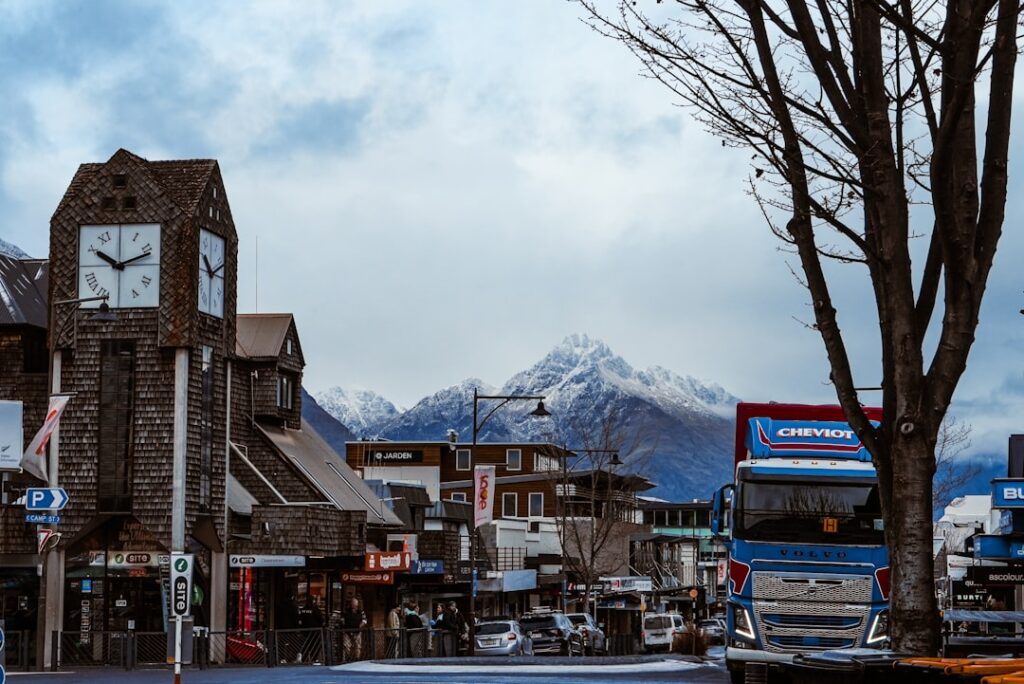
1. Alpine and Mountain Destinations
European ski resorts follow predictable patterns that reward early planners. Christmas and New Year periods book out by September, making August the critical decision month for holiday travel.
January through March represents the value season for alpine destinations, with rates dropping significantly after the holiday rush. Presidents’ Day weekend remains expensive, but the surrounding weeks offer exceptional value propositions.
Spring skiing periods, typically March through April, provide the best combination of favorable rates and reliable conditions. Premium mountain lodges often release special spring packages during this extended season.
2. Tropical Winter Escapes
Caribbean and tropical destinations experience peak demand from December through April, but strategic booking windows exist within this period. The six-week window between Thanksgiving and Christmas offers the best rate opportunities.
Hurricane season’s end in late November creates a psychological pricing dip that savvy travelers exploit. Properties offer attractive rates to rebuild confidence and fill inventory after storm season uncertainties.
Presidents’ Day through Easter represents the absolute peak pricing period for tropical destinations. Booking alternative weeks within this window can save 30% or more while maintaining similar weather and service levels.
3. Urban Winter Destinations
City hotels demonstrate different patterns entirely, with business travel driving weekday rates and leisure travel affecting weekend pricing. Winter cities like New York or Chicago offer exceptional value during non-holiday periods.
The period between New Year’s Day and Presidents’ Day represents the sweet spot for urban winter travel. Business conferences haven’t resumed full schedules, creating inventory surpluses that translate to traveler savings.
Cultural seasons significantly impact urban winter pricing. Fashion weeks, art fairs, and holiday shopping periods create demand spikes that informed travelers navigate strategically.
Advanced Booking Tactics for Winter Travel
1. The Portfolio Approach to Reservations
Sophisticated travelers employ portfolio booking strategies, securing multiple refundable reservations across different properties and dates. This approach provides flexibility while locking in favorable rates during optimal booking windows.
Most luxury hotels offer 24 to 48-hour cancellation policies that enable this strategy without financial risk. The key lies in calendar management and systematic cancellation of unused reservations.
This method proves particularly valuable for weather-dependent destinations where conditions significantly impact experience quality. Having options allows you to optimize for both price and predicted conditions.
2. Leveraging Hotel Loyalty Programs
Winter travel presents unique opportunities to maximize loyalty program benefits. Properties often upgrade availability increases during slower periods, providing enhanced value for program members.
Elite status benefits become more valuable during winter travel when room categories and amenities matter more. Complimentary breakfast, lounge access, and room upgrades provide significant value during longer winter stays.
Strategic credit card usage during booking can amplify rewards earning, particularly when cards offer bonus points for travel purchases. Travel rewards credit cards often provide additional winter travel protections and benefits.
3. Alternative Accommodation Strategies
Winter travel opens unique accommodation categories that summer travelers often overlook. Ski-in, ski-out properties, mountain lodges, and thermal spa resorts provide experiences unavailable during other seasons.
Vacation rental platforms often offer better value for extended winter stays, particularly for families or groups. Kitchen facilities become more valuable during winter travel when dining out becomes more challenging.
Consider unconventional properties like converted ski lodges, historic mountain retreats, or boutique thermal resorts. Specialized accommodation platforms often feature unique winter properties not available through traditional channels.
Avoiding Common Winter Booking Mistakes
1. The Holiday Rush Trap
The biggest mistake winter travelers make involves booking during peak holiday periods without considering shoulder season alternatives. Christmas week rates often triple compared to early January pricing for identical properties.
New Year’s Eve represents the most expensive single night for winter accommodation. Shifting travel dates by just a few days can reduce costs by 50% or more while maintaining similar experiences.
Easter timing varies annually, creating shifting peak periods that catch unprepared travelers. Understanding religious calendar impacts helps identify genuine value periods versus tourist trap pricing.
2. Ignoring Cancellation Policies
Winter weather creates unique risks that make flexible cancellation policies essential rather than optional. Storm systems can ground flights, close roads, or create unsafe travel conditions with minimal advance notice.
Ski destinations particularly require attention to weather-related cancellation terms. Some properties offer lift closure refunds or weather guarantees that provide valuable protection for expensive mountain vacations.
Travel insurance becomes more critical during winter travel periods. Weather-related coverage protects against storm cancellations, flight delays, and equipment loss that occurs more frequently during winter travel.
3. Overlooking Seasonal Amenities
Winter properties often close or reduce amenities that significantly impact guest experience. Outdoor pools, tennis courts, golf courses, and spa facilities may operate limited schedules or close entirely.
Research property amenity calendars before booking to ensure desired facilities remain available during your stay. Some luxury resorts offer compensation or alternative activities when key amenities close unexpectedly.
Mountain properties particularly vary amenity availability based on snow conditions, weather patterns, and seasonal staffing levels. Confirming operational status closer to travel dates prevents disappointment and allows booking adjustments.
Technology Tools for Strategic Winter Booking
Modern booking technology provides sophisticated travelers with powerful tools for optimizing winter accommodation strategies. Price tracking applications monitor rate fluctuations across multiple booking platforms, alerting users to favorable pricing opportunities.
Hotel inventory management systems create predictable patterns that technology can exploit. Applications like HotelTonight specialize in last-minute inventory, while platforms like Booking.com offer price prediction algorithms.
Mobile booking applications often provide exclusive rates or flash sales not available through desktop platforms. Many hotels offer mobile-only promotions to capture spontaneous booking behavior, particularly valuable for flexible winter travelers.
Ready to apply these sophisticated booking strategies to your next winter escape? Start monitoring rates now for your desired destinations and implement the 90-day booking window approach for optimal results.
Seasonal Rate Patterns and Market Intelligence
Understanding micro-seasons within winter travel periods separates amateur bookers from hospitality professionals. January features three distinct pricing periods: post-holiday recovery, Martin Luther King Jr. weekend surge, and late-month value pricing.
February represents the most complex winter booking month, with Presidents’ Day weekend commanding premium rates while surrounding weeks offer exceptional value. Valentine’s Day creates romantic destination surges but leaves family-oriented properties with attractive availability.
March transitions create unique opportunities as spring break crowds shift demand patterns. Early March often provides excellent mountain conditions at reduced rates, while late March offers tropical escapes before Easter pricing begins.
The Future of Winter Hotel Booking
Dynamic pricing algorithms increasingly dominate winter hotel booking, creating both opportunities and challenges for strategic travelers. Properties adjust rates multiple times daily based on demand signals, weather forecasts, and competitive intelligence.
Artificial intelligence booking assistants now monitor rate patterns and automatically secure reservations when predetermined price thresholds are met. These tools level the playing field between professional travel agents and individual travelers.
Sustainability considerations increasingly influence winter travel booking decisions. Eco-conscious travelers seek properties with environmental certifications, energy-efficient heating systems, and sustainable snow-making operations. Environmental certification programs help identify responsible winter accommodation options.
The sophisticated winter traveler combines traditional booking wisdom with modern technology tools, creating strategies that secure exceptional accommodations at favorable rates. Master these principles, and winter travel becomes less about compromise and more about strategic luxury.
Leave a Reply