Blog

  • How to Choose a Hotel by Checking Real Amenities vs Marketing Claims

    How to Choose a Hotel by Checking Real Amenities vs Marketing Claims

    The gleaming infinity pool in those hotel photos? It might be the size of a bathtub. That “spacious” suite with city views could overlook a construction site. Welcome to the sophisticated art of hotel marketing, where reality often takes a back seat to aspiration.

    Smart travelers know that choosing the perfect hotel requires more than scrolling through curated images and reading flowery descriptions. It demands a discerning eye, strategic research, and the ability to separate genuine luxury from clever marketing spin.

    The difference between expectation and reality can make or break your entire travel experience. Here’s how the savvy traveler cuts through the noise to find accommodations that truly deliver on their promises.

    Understanding the Psychology Behind Hotel Marketing
    Understanding the Psychology Behind Hotel Marketing

    Hotel marketing operates on carefully constructed illusions. Properties invest millions in professional photography, strategic lighting, and wide-angle lenses that transform modest spaces into palatial suites. The language used in descriptions follows precise formulas designed to trigger emotional responses.

    Words like “intimate” often translate to “small,” while “cozy” frequently means “cramped.” “Boutique charm” might mask outdated facilities, and “authentic local experience” could indicate a property far from major attractions. Understanding this coded language gives you immediate insight into what you’re really booking.

    The most successful hotels employ teams of copywriters, photographers, and digital marketers whose sole purpose is creating desire. They know exactly which angles hide flaws and which amenities photographs best. Your job as a discerning traveler is to see beyond their artistry.

    The Digital Detective’s Toolkit
    The Digital Detective's Toolkit

    1. Master the Art of Photo Analysis

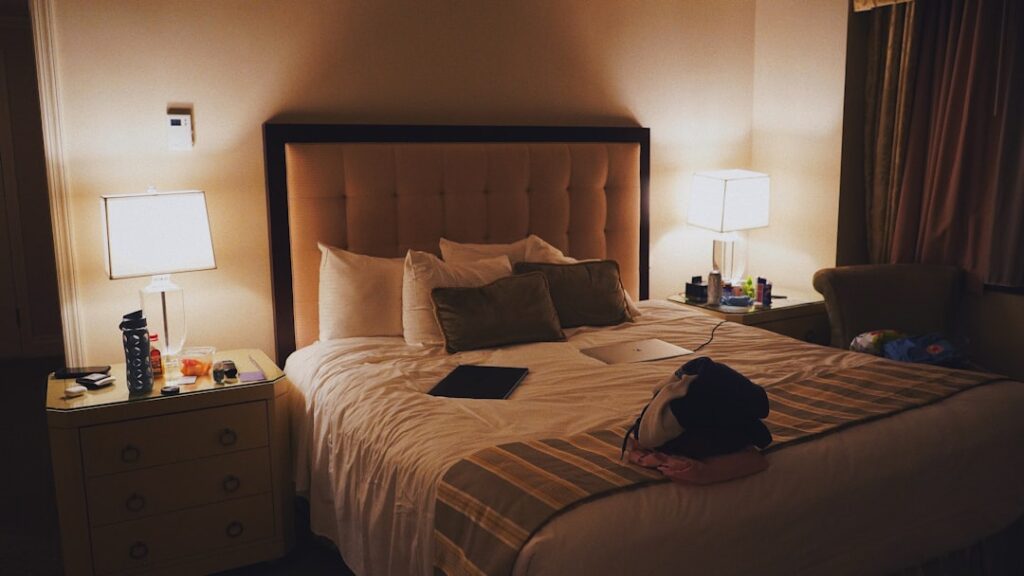
    Professional hotel photography follows predictable patterns that, once understood, reveal more than intended. Wide-angle shots that show entire rooms without visible far walls indicate compact spaces. Photos taken from corners or unusual angles often hide size limitations or unsightly views.

    Look for what’s missing from the image gallery. If there are no photos showing the bathroom in its entirety, or if pool images never include the surrounding area, these omissions tell a story. Professional travel platforms increasingly feature user-generated content alongside official photos for exactly this reason.

    Pay attention to lighting and timing in outdoor amenity photos. That gorgeous rooftop bar might only look spectacular during the golden hour. If all pool photos are taken in perfect weather with dramatic lighting, question what the space looks like during ordinary conditions.

    2. Decode Property Descriptions Like a Pro

    Hotel copywriting follows industry conventions that, once decoded, provide valuable insights. “Recently renovated” could mean anything from a fresh coat of paint to a complete overhaul. “Steps from” often translates to a longer walk than “walking distance to,” which itself might mean a 20-minute trek.

    “Panoramic views” don’t guarantee your specific room will have them. “Select rooms feature” is hospitality speak for “most don’t.” When amenities are described as “available” rather than “included,” expect additional charges.

    The placement of information matters too. The most impressive amenities get top billing, while important details like parking fees or resort charges often appear in fine print or separate sections.

    Leveraging User-Generated Intelligence
    Leveraging User-Generated Intelligence

    3. Navigate Review Platforms Strategically

    Not all reviews carry equal weight. Recent reviews matter more than older ones, especially if the property has undergone management changes or renovations. Look for reviewers who share similar travel styles and priorities to yours.

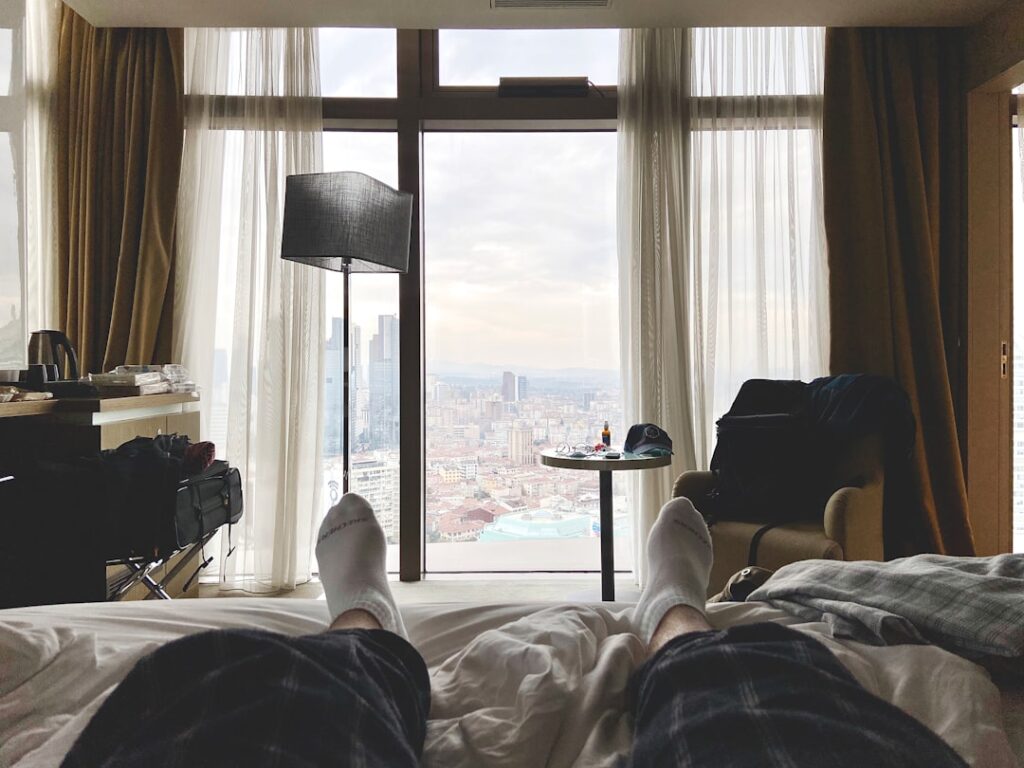
    Focus on reviews that include photos taken by actual guests. These unfiltered images reveal the truth behind professional marketing shots. Pay particular attention to bathroom photos, room views, and shots of common areas during busy periods.

    Read negative reviews carefully, but intelligently. Complaints about service issues might be temporary, but consistent mentions of outdated facilities or misleading amenity descriptions indicate systemic problems. Multiple review platforms help paint a complete picture.

    4. Harness Social Media for Real-Time Intel

    Instagram location tags and hashtags provide unfiltered glimpses of properties through guests’ eyes. Search for the hotel’s name and location to see recent posts from actual visitors. These images show properties as they really appear, without professional lighting or careful staging.

    Twitter searches can reveal real-time complaints or praise about specific amenities. Guests often tweet about WiFi issues, pool closures, or construction problems that wouldn’t appear in official hotel communications until much later.

    LinkedIn can provide insights into property management changes or upcoming renovations through industry professionals’ posts. This insider information helps predict potential disruptions during your stay.

    Direct Investigation Techniques

    Direct Investigation Techniques

    5. Master the Art of Strategic Communication

    Direct contact with hotels reveals more than you might expect. Ask specific questions about amenities that matter to you. Instead of “Do you have a pool?”, ask “What are your pool hours, and is it heated year-round?”

    Request specific room details rather than accepting generic descriptions. Ask about square footage, bed types, view directions, and floor levels. Professional reservations staff should provide detailed answers to legitimate questions.

    Inquire about current or upcoming construction, renovation projects, or special events that might impact your stay. Properties legally must disclose major disruptions when directly asked, though they rarely volunteer this information. Reputable booking platforms often highlight these potential issues upfront.

    6. Utilize Virtual Reconnaissance

    Google Street View and satellite imagery provide context that hotel websites never show. You can see the actual neighborhood, nearby construction projects, and the property’s relationship to claimed nearby attractions.

    Virtual tours, when available, offer more comprehensive views than curated photo galleries. Look for 360-degree room tours or virtual walk-throughs that show spaces from multiple angles without the artistic manipulation of professional photography.

    Local area websites and city planning databases can reveal upcoming construction projects or infrastructure changes that might impact your stay. This level of research separates truly informed travelers from disappointed tourists.

    Red Flags and Warning Signs

    7. Identify Common Deception Tactics

    Certain warning signs indicate properties that overpromise and underdeliver. Photos that seem too good to be true often are. If a budget property’s images rival luxury hotels, scrutinize them more carefully.

    Vague amenity descriptions without specific details suggest the reality might disappoint. “Fitness facilities” could mean two treadmills in a converted storage room. “Business center” might be a single computer in the lobby.

    Properties that prominently feature amenities currently unavailable due to “seasonal closure” or “maintenance” often use these as permanent excuses for substandard facilities. Always verify availability during your specific travel dates.

    8. Spot Pricing Red Flags

    Rates significantly below market average for claimed amenity levels often indicate something’s missing from the marketing picture. Legitimate luxury properties rarely need to compete on price alone.

    Hidden fees and charges not mentioned in initial pricing indicate properties that aren’t transparent about their offerings. Resort fees, parking charges, and WiFi costs should be clearly disclosed upfront.

    Limited cancellation policies or prepayment requirements might indicate properties that know guests often want to cancel once they see the reality. Confident properties offer reasonable cancellation terms.

    Making the Final Decision

    Armed with your research, create a realistic expectation framework based on verified information rather than marketing promises. Consumer protection guidelines require truthful advertising, but interpretation varies widely.

    Consider booking refundable rates when trying new properties, especially if your research reveals mixed signals about amenity quality. The small additional cost provides insurance against marketing disappointments.

    Document your expectations based on marketing claims and official communications. This creates accountability if the property fails to deliver on specific promises. Professional travel services often assist with resolution when properties don’t match their marketing claims.

    Ready to put these techniques into practice? Start with your next hotel search, applying these investigative methods to separate genuine luxury from marketing fiction. The difference between a perfect stay and a disappointing experience often lies in the research you do before booking.

    Remember that the most photogenic properties aren’t always the most comfortable, and the most eloquent descriptions don’t guarantee quality experiences. Trust your detective work over marketing artistry, and your travels will consistently exceed expectations rather than fall short of them.

    Advanced Verification Strategies

    9. Timing Your Research for Maximum Accuracy

    Research timing affects the accuracy of your intelligence gathering. Check reviews and social media posts from your intended travel season, as amenities and experiences can vary dramatically between peak and off-peak periods.

    Weekend versus weekday experiences differ significantly at many properties. Business hotels might offer excellent service during weekdays but reduced amenities on weekends. Resort properties often provide opposite patterns.

    Recent management or brand changes require fresh research. A property’s reputation from two years ago might be completely irrelevant if new ownership has taken over. Look for mentions of management changes in recent reviews or local business news.

    10. Building Your Personal Verification System

    Develop a personal checklist of amenities and services that matter most to your travel style. This focused approach prevents you from being distracted by impressive but irrelevant amenities while missing crucial deficiencies.

    Create a scoring system for properties based on verification success rather than marketing appeal. Properties that provide transparent, accurate information about their amenities typically deliver better overall experiences than those relying on marketing smoke and mirrors.

    Keep notes on your research process and outcomes for future reference. Successful verification techniques can be refined and applied to future hotel selections. Consumer advocacy resources provide additional frameworks for evaluating service businesses like hotels.

    The sophisticated traveler’s advantage lies not in finding perfect properties, but in choosing accommodations whose reality matches their marketing. Master these verification techniques, and you’ll consistently book hotels that deliver exactly what they promise, transforming your travel experiences from hopeful gambles into confident selections.

  • How to Choose a Hotel Based on Room Type and Layout Needs

    How to Choose a Hotel Based on Room Type and Layout Needs

    The hotel room you choose shapes your entire travel experience. A cramped space can transform a luxury vacation into a frustrating ordeal, while the right layout elevates even a business trip into something memorable.

    Smart travelers understand that room selection goes beyond thread count and minibar prices. It’s about matching your specific needs with architectural design, understanding how space flows, and recognizing which amenities truly matter for your travel style.

    Consider this your sophisticated guide to hotel room selection. We’ll explore the nuances of room categories, decode hotel marketing speak, and help you make informed decisions that ensure your accommodation enhances rather than hampers your journey.

    Understanding Hotel Room Categories

    Understanding Hotel Room Categories

    Hotels use a complex hierarchy of room classifications that often confuses even seasoned travelers. The terminology varies dramatically between properties, making direct comparisons challenging without understanding the underlying structure.

    Standard rooms typically occupy the smallest footprint in a hotel’s inventory. These entry-level accommodations focus on essential amenities within compact layouts. Don’t dismiss them immediately, many standard rooms in luxury properties offer superior comfort compared to upgraded rooms at mid-tier hotels.

    Superior and deluxe categories usually indicate incremental improvements in size, view, or amenities. The distinction between these classifications remains frustratingly arbitrary across different hotel chains. Some properties use “superior” to indicate better views, while others reserve it for rooms with additional square footage.

    1. Executive and Business Class Rooms

    Executive rooms cater specifically to business travelers who need functional workspace within their accommodation. These rooms typically feature oversized desks, ergonomic seating, and enhanced connectivity options including multiple power outlets positioned strategically throughout the space.

    The layout prioritizes productivity over leisure amenities. Expect dedicated work areas separated from sleeping quarters, often with improved lighting designed for extended computer use. Many executive rooms include complimentary breakfast and evening cocktails in dedicated lounges.

    Business travelers should examine floor plans carefully. Some executive rooms sacrifice relaxation space for work functionality, creating an environment that feels more like an upscale office than a hotel room.

    2. Junior Suites and One-Bedroom Suites

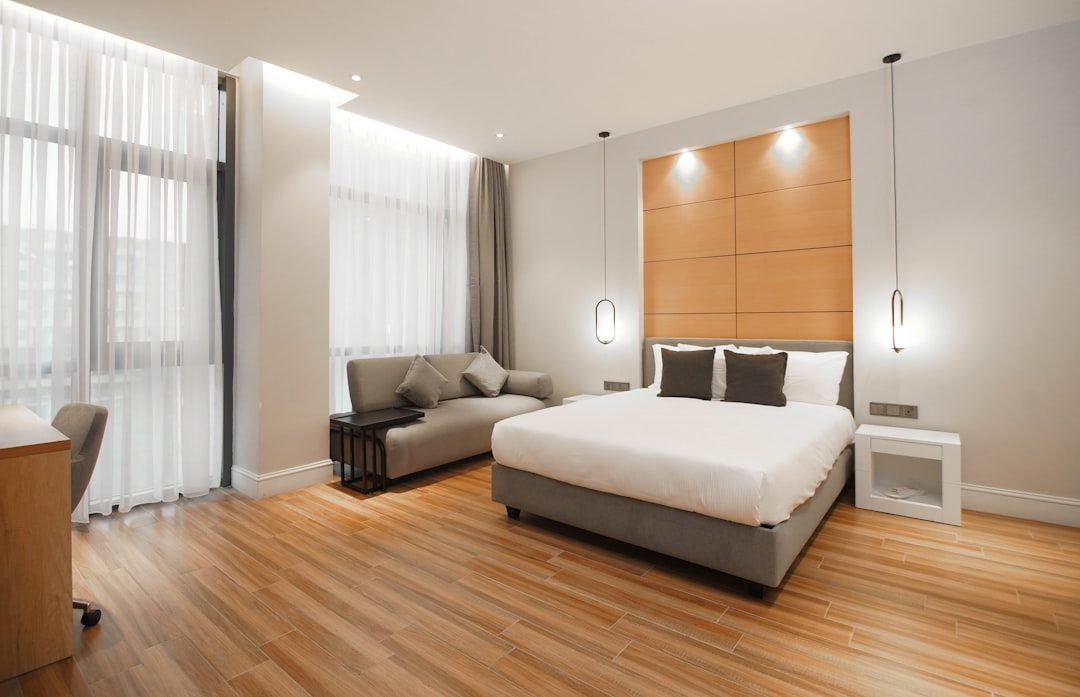
    Junior suites offer the illusion of separation without actual walls dividing living and sleeping areas. These rooms typically feature L-shaped layouts with distinct zones for different activities, creating psychological separation within a single space.

    True one-bedroom suites provide genuine privacy with physical barriers between sleeping and living areas. This separation proves invaluable for extended stays, entertaining guests, or maintaining work-life boundaries during business travel.

    The additional space allows for more sophisticated furniture arrangements, including full-sized sofas, dining areas, and expanded bathroom facilities. Premium booking platforms often provide detailed suite layouts that help visualize space distribution before booking.

    3. Specialty and Themed Rooms

    Many hotels now offer specialty rooms designed around specific experiences or demographics. Family rooms incorporate bunk beds, gaming areas, or connecting door configurations. Romantic packages might include oversized soaking tubs, fireplaces, or private balconies with enhanced privacy.

    Accessible rooms deserve special mention for their thoughtful design principles that benefit all travelers. These spaces typically offer more generous layouts, improved lighting, and bathroom configurations that many guests find superior to standard accommodations.

    Specialty rooms often command premium prices, but the additional cost frequently proves worthwhile when the design aligns perfectly with your travel purpose and personal preferences.

    Analyzing Room Layouts for Different Travel Purposes

    Analyzing Room Layouts for Different Travel Purposes

    Your travel purpose should fundamentally influence room layout preferences. Business travelers have vastly different spatial needs compared to romantic getaway seekers or family vacation planners.

    Understanding how you’ll actually use the space helps identify which layout elements truly matter. This analysis prevents you from paying premiums for amenities you’ll never use while ensuring you don’t overlook features that could significantly enhance your stay.

    1. Business Travel Layout Priorities

    Business travelers need clear separation between work and rest areas within their accommodation. Look for rooms with dedicated desk spaces positioned away from the bed, preferably near windows for natural light during daytime conference calls.

    Bathroom placement becomes crucial for business travelers who frequently take calls while getting ready. Rooms with bathroom doors that don’t directly face the main living area provide better acoustics and privacy during early morning or late evening calls.

    Storage solutions matter more for business travel than leisure trips. Seek rooms with proper closet space, multiple drawer configurations, and surfaces where you can organize documents and technology without cluttering sleeping areas.

    Consider the specific needs of business travelers when evaluating room layouts, including proximity to business centers and meeting facilities.

    2. Leisure and Romance Layout Considerations

    Romantic getaways benefit from rooms that prioritize ambiance and intimacy over functionality. Look for layouts that create cozy seating areas, preferably with views or architectural features that serve as natural conversation focal points.

    Bathroom design becomes particularly important for romantic stays. Rooms featuring oversized soaking tubs, separate shower stalls, or dual vanity configurations enhance the luxury experience and provide practical benefits for couples.

    Privacy takes precedence over workspace efficiency. Rooms with balconies, patios, or secluded seating areas allow couples to enjoy intimate moments without feeling confined to the bed area.

    3. Family Travel Layout Requirements

    Family rooms require careful analysis of sleeping arrangements and safety considerations. Bunk bed configurations might seem appealing, but consider the ages and preferences of your children before committing to specialty sleeping arrangements.

    Bathroom access becomes critical with multiple family members. Rooms with split bathroom facilities or multiple entry points prevent morning bottlenecks and provide better functionality for families with different schedules.

    Storage needs multiply exponentially with family travel. Look for rooms with generous closet space, multiple dresser configurations, and surfaces where you can organize belongings for different family members without creating chaos.

    The Family Vacation Critic provides excellent guidance on evaluating family-friendly room layouts and configurations.

    Essential Amenities to Consider

    Essential Amenities to Consider

    Modern hotel rooms offer an overwhelming array of amenities, but not all features provide equal value for every traveler. Understanding which amenities align with your priorities helps you make cost-effective decisions.

    Technology integration has become increasingly important in hotel room design. However, cutting-edge technology sometimes creates more frustration than convenience, particularly when systems are overly complex or poorly maintained.

    1. Technology and Connectivity Features

    Reliable WiFi remains the most crucial technology amenity for most travelers. However, connection quality varies dramatically within the same property. Rooms on higher floors or located closer to main router installations typically offer superior connectivity.

    Power outlet placement and quantity have become critical considerations in our device-heavy travel era. Look for rooms with outlets positioned near desks, beside beds, and in bathroom areas for optimal convenience.

    Smart room technology can enhance your stay when implemented properly. However, overly complex systems that control lighting, temperature, and entertainment through single interfaces often create more problems than they solve.

    Advanced hotel booking platforms increasingly provide technology amenity details that help you evaluate these features before arrival.

    2. Bathroom Amenities and Layout

    Bathroom design significantly impacts room functionality and comfort. Single vanity configurations work fine for solo travelers but create bottlenecks for couples or business travelers with tight schedules.

    Shower and bathing options vary dramatically between room categories. Walk-in showers appeal to most travelers, while oversized soaking tubs cater to relaxation-focused stays. Combination shower-tub units often satisfy neither purpose effectively.

    Storage within bathrooms often gets overlooked during booking but proves crucial during your stay. Look for rooms with adequate counter space, shelving, and towel storage that doesn’t require creative solutions.

    3. Climate Control and Lighting

    Individual climate control allows you to customize your environment, but effectiveness varies based on room orientation, window placement, and HVAC system design. Corner rooms and those facing east or west often struggle with temperature regulation during peak sun hours.

    Lighting flexibility enhances both functionality and ambiance. Rooms with multiple lighting zones, dimmer controls, and a mix of ambient and task lighting provide superior comfort for various activities.

    Natural light access affects your circadian rhythm and overall room satisfaction. However, excessive morning sun exposure might disturb sleep for travelers adjusting to different time zones.

    Location Within the Hotel: Floor and Position Strategy

    Location Within the Hotel: Floor and Position Strategy

    Your room’s position within the hotel structure affects everything from noise levels to view quality and service accessibility. Strategic location selection can dramatically improve your overall experience.

    Most travelers focus solely on room category while ignoring location factors that significantly impact comfort and convenience. Understanding hotel layout principles helps you make informed location requests.

    1. Floor Selection Considerations

    Higher floors typically offer better views and reduced street noise, but they also mean longer elevator waits and potential challenges during peak usage periods. Floors between the 4th and 12th level often provide the optimal balance of benefits and convenience.

    Ground floor rooms offer quick access to amenities and eliminate elevator dependency, but they sacrifice privacy and often deal with increased foot traffic noise. Security concerns also increase at ground level, particularly for rooms with direct exterior access.

    Top floors provide the best views but may experience increased wind noise, temperature fluctuations, and service delays when elevators experience high demand during check-in and check-out periods.

    Consider consulting Conde Nast Traveler’s room selection guide for additional insights on floor selection strategy.

    2. Position Relative to Hotel Services

    Rooms located near elevators provide convenience but often suffer from constant noise as guests come and go throughout the day and night. Request rooms at least three doors away from elevator banks for optimal noise reduction.

    Proximity to ice machines, vending areas, and service elevators creates ongoing disturbance potential. These locations see frequent use, particularly during evening hours when noise becomes more noticeable.

    Pool and fitness center adjacency affects different travelers differently. Early risers might appreciate quick gym access, while light sleepers should avoid areas where fitness equipment operates during extended hours.

    3. View and Orientation Preferences

    City views offer dynamic urban energy but often come with increased noise levels and light pollution that affects sleep quality. Consider your sensitivity to these factors when weighing view benefits against potential sleep disruption.

    Ocean or natural views typically command premium prices but provide superior relaxation benefits for leisure travelers. However, weather conditions can dramatically affect view quality, particularly during certain seasons.

    Courtyard views offer tranquility and privacy but may feel confining for extended stays. These rooms often provide better sleep environments while sacrificing the visual excitement of external vistas.

    Budget Considerations and Value Assessment

    Smart room selection requires understanding when upgrades provide genuine value versus when they represent marketing-driven premium pricing. This analysis helps you invest your accommodation budget strategically.

    The relationship between price and value varies significantly based on your travel purpose, length of stay, and personal preferences. A premium room might prove worthwhile for a special occasion but unnecessary for brief business trips.

    1. When to Invest in Room Upgrades

    Extended stays of more than three nights typically justify room upgrade investments. The incremental daily cost becomes minimal when spread across multiple days, while the comfort benefits compound over time.

    Special occasions warrant upgrade consideration, particularly when the room serves as a significant part of the overall experience rather than merely a place to sleep. Anniversary trips, milestone celebrations, or important business meetings fall into this category.

    Group travel often benefits from suite upgrades that provide gathering space for multiple people. The per-person cost of premium space decreases while the functionality benefits increase significantly.

    Sophisticated booking platforms often provide upgrade cost analysis tools that help you evaluate whether premium room features justify additional expense.

    2. Hidden Costs and Fee Structures

    Resort fees and amenity charges can dramatically affect the true cost of room upgrades. Some hotels bundle these fees with premium room categories, while others charge them separately regardless of room type.

    Parking fees often correlate with room location within urban hotels. Premium rooms on higher floors might include valet parking, while standard rooms require separate parking arrangements with associated costs.

    Minibar and honor bar systems vary between room categories. Upgraded rooms might include complimentary snacks and beverages that offset some premium pricing, particularly for longer stays.

    3. Loyalty Program Benefits and Upgrades

    Hotel loyalty programs frequently provide room upgrades based on availability and member status. Understanding these policies helps you time bookings and requests for maximum upgrade potential.

    Elite status benefits often include late checkout, early check-in, and preferred room assignments that enhance your experience regardless of the base room category you’ve booked.

    Point redemption strategies can make premium rooms accessible at lower cost than cash bookings, particularly during peak seasons when standard rooms command high rates.

    The NerdWallet hotel loyalty guide provides comprehensive analysis of program benefits and strategies for maximizing room upgrade opportunities.

    Making Your Final Selection

    Successful hotel room selection requires synthesizing all these considerations into a decision matrix that prioritizes your specific needs and preferences. Create a simple ranking system that weights different factors according to your travel purpose.

    Start by identifying your three most important room features, whether that’s workspace functionality, bathroom luxury, or view quality. Use these priorities to filter options and justify any premium pricing.

    Don’t hesitate to contact hotels directly to discuss room options and request specific assignments. Hotel staff can often provide insights into room characteristics that aren’t apparent from online descriptions or photos.

    Remember that perfect room selection enhances every aspect of your trip, from sleep quality to productivity to overall satisfaction. The investment in thoughtful room selection pays dividends throughout your entire travel experience.

    Ready to find your perfect hotel room? Start exploring premium accommodation options that match your specific layout and amenity preferences for your next journey.

  • How to Choose a Hotel for Group Travel: The Ultimate Guide to Booking Success

    How to Choose a Hotel for Group Travel: The Ultimate Guide to Booking Success

    Planning group travel can feel like conducting a symphony orchestra. Every moving piece needs perfect coordination, and your hotel choice sets the tempo for the entire experience. Whether you’re organizing a corporate retreat, family reunion, or friends’ getaway, the wrong accommodation can turn harmonious plans into discordant chaos.

    The stakes are higher when booking for groups. Individual preferences multiply exponentially. Budgets vary wildly. Some want luxury while others prioritize savings. Your role becomes part diplomat, part logistics coordinator, and part fortune teller predicting what will make everyone happy.

    Smart group booking requires a different playbook than solo travel. You need insider knowledge of group rates, room configurations, and negotiation tactics. Most importantly, you need to understand what truly matters when multiple people depend on your decision.

    1. Define Your Group’s Non-Negotiables

    1. Define Your Group's Non-Negotiables

    Before diving into hotel research, establish your group’s core requirements. This foundational step prevents endless back-and-forth discussions later. Start by surveying your group about absolute must-haves versus nice-to-haves.

    Create a simple questionnaire covering budget ranges, preferred locations, and essential amenities. Ask about mobility requirements, dietary restrictions, and any special occasions being celebrated. The goal is identifying deal-breakers early rather than discovering them after booking.

    Document everything in writing. Memory fails when juggling multiple opinions and preferences. Professional booking platforms often provide group planning tools that streamline this process significantly.

    Budget Parameters and Payment Structure

    Money conversations are uncomfortable but essential. Establish a realistic budget range that works for your entire group. Consider that some members may want to upgrade while others need basic accommodations.

    Decide on payment structure upfront. Will one person pay and collect reimbursements? Are you splitting costs equally or letting individuals pay their own way? Clear financial boundaries prevent awkward situations and strained friendships.

    Factor in hidden costs like resort fees, parking charges, and incidental deposits. These extras can add substantial amounts to your final bill. Group organizers often get surprised by fees that weren’t disclosed during initial booking conversations.

    Group Size and Room Configuration Needs

    Count heads carefully and plan for last-minute changes. Groups have a tendency to grow or shrink as travel dates approach. Build some flexibility into your room block reservations.

    Consider relationship dynamics when planning room assignments. Couples obviously room together, but what about singles? Some prefer sharing to reduce costs while others want privacy. Map out sleeping arrangements before booking to avoid uncomfortable conversations later.

    Think beyond just bedrooms. Groups need common spaces for gathering, meal preparation, and activities. Suites with living areas or properties with communal spaces can enhance the group experience significantly.

    2. Location Strategy for Group Success

    2. Location Strategy for Group Success

    Location impacts every aspect of your group experience. The right neighborhood can make transportation seamless and activities accessible. The wrong choice creates logistical headaches that plague your entire trip.

    Research your destination’s geography thoroughly. Understand public transportation options, walkability scores, and proximity to planned activities. What seems close on a map might involve complicated transfers or expensive taxi rides.

    Consider your group’s energy levels and mobility. Younger groups might embrace a central location with nightlife access. Families or older travelers might prioritize quiet neighborhoods with easy parking and nearby restaurants.

    Transportation and Accessibility Factors

    Airport proximity matters differently for groups than individuals. Large groups create more luggage, potential flight delays, and coordination challenges. Choose locations with reliable transportation options and reasonable travel times.

    Evaluate parking situations if your group is driving. Hotels in city centers often charge premium rates for parking or have limited spaces. Suburban properties typically offer free parking but might require rides to attractions.

    Check accessibility features if anyone in your group has mobility requirements. ADA compliance is legally required, but actual accessibility can vary significantly between properties.

    Proximity to Planned Activities and Dining

    Map out your planned activities and calculate travel times from potential hotels. Groups move slower than individuals, so add buffer time to all estimates. What takes one person 15 minutes might require 30 minutes for a group.

    Restaurant availability becomes crucial for groups. Large parties often need reservations or struggle with wait times. Choose locations with diverse dining options that can accommodate your group size and any dietary restrictions.

    Consider grocery stores and convenience shops if your group prefers preparing some meals. Vacation rentals with kitchens offer flexibility but hotels with mini-fridges and nearby markets can work similarly.

    3. Amenities That Matter for Groups

    3. Amenities That Matter for Groups

    Individual travelers might prioritize thread counts or pillow menus. Groups need amenities that facilitate togetherness while respecting personal space. The right amenities can make or break group dynamics.

    Focus on facilities that serve multiple people simultaneously. Single bathrooms create morning bottlenecks. Limited seating areas force awkward standing conversations. Think practically about how your group will actually use the space.

    Some amenities seem appealing but prove problematic for groups. Romantic couple-focused features might feel awkward for family groups. Business-oriented hotels might lack recreational options that groups expect during leisure travel.

    Common Areas and Social Spaces

    Groups need spaces for natural gathering and socializing. Hotel lobbies work for brief meetups but lack intimacy for extended conversations. Look for properties with lounges, outdoor patios, or game rooms where your group can spread out comfortably.

    Pool areas require special consideration for groups. Crowded hotel pools can feel cramped and limit group activities. Properties with larger pool decks or multiple water features accommodate groups better than standard hotel pools.

    Meeting room availability can be valuable even for leisure groups. Having a private space for planning daily activities, playing games, or handling group discussions enhances the experience significantly.

    Kitchen Facilities and Dining Options

    Eating out for every meal gets expensive quickly with groups. Kitchen facilities provide cost savings and flexibility for special dietary needs. Full kitchens offer maximum flexibility while kitchenettes handle basic meal preparation.

    On-site dining options reduce coordination complexity. Properties with multiple restaurant choices accommodate different tastes and budgets within your group. Breakfast inclusion can simplify morning logistics considerably.

    Room service capabilities matter for groups with varied schedules or energy levels. Some members might want quiet dinners while others prefer exploring local restaurants. Having options prevents conflicts over meal plans.

    4. Booking Strategies and Negotiation Tactics

    4. Booking Strategies and Negotiation Tactics

    Group bookings unlock special rates and perks unavailable to individual travelers. However, accessing these benefits requires specific strategies and timing. The difference between amateur and professional group booking can save hundreds of dollars.

    Hotels want group business because it fills multiple rooms simultaneously. This gives you negotiating power if you understand how to leverage it properly. Most travelers leave money on the table by not asking for group considerations.

    Timing your booking requires balancing early bird discounts with last-minute deals. Group booking specialists understand these market dynamics and can guide optimal timing strategies.

    Group Rate Negotiations

    Start group rate conversations with properties directly rather than through online booking sites. Hotel sales teams have authority to create custom packages that automated systems cannot match. Explain your group size, dates, and special requirements clearly.

    Ask about complimentary upgrades, late checkout, or waived fees as part of group packages. These perks cost hotels very little but add significant value to your group experience. The worst they can say is no.

    Consider shoulder season dates if your group has flexibility. Hotels offer deeper discounts during slower periods and may throw in additional amenities to secure group bookings during off-peak times.

    Room Block Management

    Understand room block terms before committing. Hotels typically require minimum commitments but allow some shrinkage without penalties. Know your cutoff dates for releasing unused rooms to avoid unnecessary charges.

    Reserve slightly more rooms than your confirmed count to accommodate last-minute additions. It’s easier to release extra rooms than scramble for additional accommodations when someone decides to join late.

    Designate one person as the primary contact for all hotel communications. Multiple people calling with changes or questions creates confusion and can jeopardize negotiated rates or terms.

    5. Room Configuration and Layout Considerations

    Room layouts dramatically impact group dynamics and satisfaction levels. The wrong configuration can create privacy issues, noise problems, or social awkwardness. Think strategically about how room placement affects group interaction.

    Standard hotel rooms work for couples but become cramped with multiple occupants. Consider suite options, connecting rooms, or vacation rental alternatives that provide more space per person.

    Floor plans matter for groups more than individual travelers. Rooms clustered together facilitate easy movement between spaces. Scattered rooms across different floors or wings make coordination difficult.

    Connecting Rooms vs. Separate Accommodations

    Connecting rooms offer privacy with easy access for group activities. They work well for families or close friends who want flexibility between togetherness and personal space. Not all hotels guarantee connecting rooms, so confirm availability early.

    Separate rooms provide maximum privacy but can isolate group members. This setup works for business groups or acquaintances who prefer defined boundaries. Choose properties with good common areas to facilitate group interaction.

    Mixed configurations can accommodate different comfort levels within your group. Some members might prefer connecting setups while others want separate spaces. Flexible booking allows customization for individual preferences.

    Suite Options and Vacation Rentals

    Hotel suites offer living areas that facilitate group activities and meetings. They typically cost more than standard rooms but provide better value per square foot. Calculate costs per person rather than per room for accurate comparisons.

    Vacation rentals can offer significant savings for larger groups while providing full kitchen facilities and multiple bedrooms. Platforms like VRBO specialize in group-friendly properties with amenities hotels cannot match.

    Consider hybrid approaches combining hotel services with rental space. Some travelers prefer hotel housekeeping and amenities while others want rental flexibility. Booking both provides options for different group members.

    6. Safety and Security for Group Travel

    Group travel creates unique security considerations that solo travelers don’t face. Multiple people mean more luggage, varied awareness levels, and increased visibility. Smart groups prioritize properties with strong security measures and safe neighborhoods.

    Research local safety conditions and hotel security features. Well-lit parking areas, 24-hour front desk coverage, and secure key card systems provide basic protection. Some destinations require additional precautions for group travelers.

    Emergency planning becomes more complex with groups. Establish meeting points, share contact information, and ensure everyone knows basic safety procedures. State Department travel advisories provide current safety information for international destinations.

    Property Security Features

    Evaluate hotel security measures beyond basic door locks. Properties with controlled access, security cameras, and professional staff provide better protection for group travelers and their belongings.

    Safe neighborhoods matter more for groups because they attract attention and move more slowly than individual travelers. Research crime statistics and read recent guest reviews mentioning safety concerns.

    Consider ground floor versus upper floor preferences for your group. Ground floors offer easy access but may have higher security risks. Upper floors provide better security but can be problematic for mobility-limited group members.

    7. Communication and Coordination

    Successful group travel requires excellent communication from initial planning through final checkout. Establish clear communication channels and protocols before anyone starts packing. Miscommunication causes more group travel problems than any other single factor.

    Choose one primary organizer who handles all hotel communications to prevent confusion. Hotels struggle when multiple group members call with questions, changes, or complaints. Centralized communication protects group rates and terms.

    Create shared documents with all essential information including confirmation numbers, contact details, and daily schedules. Modern booking platforms often include group communication tools that streamline this process significantly.

    Pre-Arrival Coordination

    Confirm final headcounts and room assignments at least one week before arrival. This gives hotels time to prepare and allows your group to address any last-minute changes or concerns.

    Share arrival logistics including transportation plans, check-in procedures, and initial meeting locations. Groups often arrive at different times, so establish clear protocols for connecting once everyone reaches the hotel.

    Distribute emergency contact information and basic destination details to all group members. Include hotel addresses, phone numbers, and local emergency services information for reference.

    8. Special Considerations for Different Group Types

    Corporate groups have different needs than family reunions or friends’ getaways. Understanding these distinctions helps you choose properties and amenities that match your specific group dynamics and objectives.

    Business groups typically prioritize meeting facilities, reliable internet, and proximity to commercial districts. Leisure groups focus more on recreational amenities, dining variety, and entertainment options nearby.

    Mixed-age groups require careful consideration of everyone’s physical capabilities and interests. What excites teenagers might exhaust grandparents, and vice versa. Choose accommodations that offer something for everyone.

    Corporate and Business Groups

    Business groups need reliable meeting spaces with proper audio-visual equipment and high-speed internet. Many hotels offer meeting packages that include room rentals, catering, and technical support services.

    Consider proximity to business districts, airports, and corporate facilities your group might need to visit. Time is money for business travelers, so minimize transportation requirements whenever possible.

    Professional atmospheres matter for business groups. Properties that cater to corporate clients understand service expectations and maintain appropriate environments for business activities.

    Family Reunions and Multi-Generational Groups

    Family groups span multiple generations with vastly different needs and energy levels. Choose properties with varied amenities that appeal to children, adults, and seniors simultaneously.

    Accessibility becomes crucial for multi-generational groups. Ensure the property can accommodate wheelchairs, mobility aids, and other special needs that family members might require.

    Common gathering spaces are essential for family reunions. Look for properties with large meeting rooms, outdoor areas, or pavilions where extended families can spend time together comfortably.

    Choosing the right hotel for group travel requires balancing multiple competing interests while maintaining focus on what truly matters for your specific situation. Start planning early, communicate clearly, and don’t be afraid to negotiate for better rates or terms. The perfect group accommodation exists for every budget and situation, you just need to know how to find it.

    Ready to start planning your group getaway? Explore group-friendly accommodations and discover properties that specialize in making group travel seamless and memorable.

  • How to Choose a Hotel for Couples and Romantic Trips: The Sophisticated Traveler’s Guide

    How to Choose a Hotel for Couples and Romantic Trips: The Sophisticated Traveler’s Guide

    The art of selecting the perfect hotel for a romantic escape requires more than scrolling through endless booking sites and choosing the prettiest photos. It demands a sophisticated understanding of what transforms an ordinary stay into an unforgettable romantic experience.

    Whether you’re planning a honeymoon, anniversary celebration, or spontaneous weekend retreat, the right accommodation sets the stage for intimacy, connection, and shared memories. The difference between a good trip and an extraordinary one often lies in these carefully considered details.

    Modern couples expect more than thread count and room service. They seek experiences that reflect their personal style while providing the privacy and ambiance necessary for romance to flourish naturally.

    Understanding Your Romantic Travel Style

    Understanding Your Romantic Travel Style

    Before diving into hotel specifics, successful romantic travel begins with honest self-assessment. Your ideal romantic setting might differ dramatically from glossy magazine spreads or Instagram-worthy destinations that flood social media feeds.

    Some couples thrive in bustling city environments with world-class dining and cultural attractions within walking distance. Others prefer secluded retreats where the outside world fades into background noise, leaving only each other and carefully curated luxury.

    Consider your shared interests, energy levels, and comfort zones. Adventure-seeking couples might gravitate toward boutique properties offering unique local experiences, while those preferring relaxation might choose spa-focused accommodations with comprehensive wellness programs.

    1. Defining Your Ideal Atmosphere

    Atmosphere extends beyond physical aesthetics into the emotional resonance of a space. Intimate lighting, thoughtful music selection, and staff trained in discretion contribute to romantic ambiance more than expensive furnishings alone.

    Historic properties often provide inherent romance through architectural details and storied pasts. Modern luxury hotels might offer sleek sophistication with cutting-edge amenities and contemporary design philosophies.

    2. Budget Considerations Without Compromise

    Romantic luxury doesn’t always require astronomical spending. Smart couples identify which elements matter most to their experience and allocate resources accordingly.

    A smaller boutique property might offer more personalized service and intimate settings than sprawling resort chains. Off-season travel or mid-week stays often unlock premium accommodations at accessible price points.

    Location Strategy for Maximum Romance

    Location Strategy for Maximum Romance

    Location influences every aspect of your romantic getaway, from the views outside your window to the ease of accessing memorable experiences together. The perfect location balances convenience with the sense of escape that romance requires.

    Urban locations offer cultural richness, diverse dining scenes, and the energy that comes from being at the center of activity. Rural or coastal settings provide tranquility, natural beauty, and the space to focus entirely on each other without external distractions.

    1. Proximity to Romantic Activities

    Research the immediate area surrounding potential hotels. Walking distance to exceptional restaurants, cultural sites, or natural attractions adds spontaneity to your trip without the stress of extensive planning or transportation logistics.

    Waterfront locations consistently rank among the most romantic settings. Whether oceanside, lakefront, or riverside, water creates natural ambiance and provides stunning backdrops for intimate moments.

    2. Neighborhood Character and Safety

    The character of the surrounding neighborhood directly impacts your comfort level and willingness to explore together. Well-maintained areas with interesting architecture, local shops, and pedestrian-friendly streets encourage romantic strolls and spontaneous discoveries.

    Safety considerations become paramount when traveling as a couple, particularly in unfamiliar destinations. Research crime statistics, read recent traveler reviews, and consult official travel advisories before making final decisions.

    Accommodation Types That Enhance Romance

    Accommodation Types That Enhance Romance

    Different accommodation styles create distinct romantic atmospheres. Understanding these differences helps couples select properties that align with their vision for the perfect getaway.

    Boutique hotels typically offer unique character, personalized service, and intimate settings with fewer rooms and more attention to individual guest preferences. Chain luxury hotels provide consistent quality standards and comprehensive amenities but may lack distinctive personality.

    1. Boutique Properties and Intimate Settings

    Boutique accommodations excel at creating memorable experiences through distinctive design, local cultural integration, and staff who remember guest preferences. These properties often occupy historic buildings or unique locations that larger chains cannot replicate.

    The smaller scale allows for personalized touches like room customization, special occasion arrangements, and flexible service that adapts to your specific romantic vision. Many boutique properties partner with local businesses to offer exclusive experiences unavailable to the general public.

    2. Resort Accommodations for Comprehensive Romance

    All-inclusive resorts remove decision fatigue by providing everything within a single location. This approach works particularly well for couples who prefer to minimize planning and maximize relaxation time together.

    Quality varies significantly among resort properties. Research specific amenities, dining options, and guest demographics to ensure the environment matches your expectations. Adult-only resorts often provide more refined atmospheres focused on romance rather than family entertainment.

    3. Luxury Vacation Rentals and Private Villas

    Private accommodations offer ultimate intimacy and flexibility for couples seeking complete control over their environment. High-end vacation rentals often provide more space, privacy, and personalization options than traditional hotel rooms.

    Consider properties with special romantic features like private pools, outdoor fireplaces, or dedicated chef services. Luxury rental platforms often showcase properties specifically designed for romantic getaways with curated amenities and services.

    Essential Amenities for Couples

    Essential Amenities for Couples

    Certain amenities transform ordinary hotel stays into romantic retreats. Prioritizing these features during your selection process ensures your accommodation actively contributes to intimacy and connection rather than simply providing basic shelter.

    Room configuration plays a crucial role in romantic atmosphere. Suites with separate living areas, private balconies, or terraces create intimate spaces for conversation and relaxation away from the bedroom setting.

    1. Spa and Wellness Facilities

    Couples spa treatments provide shared relaxation experiences that promote bonding and stress relief. Look for properties offering couples massage rooms, private spa suites, or comprehensive wellness programs designed for two people.

    Some luxury properties feature in-room spa services, allowing for private treatments without leaving your suite. These services often include couples massages, private yoga sessions, or wellness consultations tailored to your relationship goals.

    2. Dining Experiences That Inspire Connection

    Exceptional dining creates natural opportunities for intimate conversation and shared enjoyment. Properties with multiple restaurant options allow couples to experience variety without venturing far from their accommodation base.

    In-room dining capabilities become essential for couples seeking privacy and flexibility. Look for hotels offering 24-hour room service, private dining experiences, or partnerships with renowned local restaurants that deliver directly to guest rooms.

    Wine programs and sommelier services add sophistication to romantic dining. Properties with extensive wine cellars, tasting experiences, or expert staff who can recommend perfect pairings enhance the culinary aspect of your romantic retreat.

    3. Technology and Connectivity Considerations

    While romance often benefits from digital disconnection, reliable technology ensures you can capture and share special moments or handle any necessary communications without frustration.

    High-speed internet, device charging capabilities, and smart room controls allow you to stay connected when desired while maintaining the option to disconnect completely. Some luxury properties offer digital detox programs that encourage couples to focus on each other rather than external digital demands.

    Service Standards That Make the Difference

    Exceptional service distinguishes truly romantic accommodations from merely expensive ones. Staff trained in anticipating couple needs, maintaining discretion, and creating memorable moments contribute significantly to overall experience quality.

    Personalization capabilities separate outstanding properties from standard luxury offerings. Hotels that remember guest preferences, customize room settings, and arrange surprise elements demonstrate the attention to detail that enhances romantic experiences.

    1. Concierge Services and Local Expertise

    Knowledgeable concierge staff can transform your destination from unfamiliar territory into a playground of romantic possibilities. The best concierges maintain relationships with local businesses, secure reservations at exclusive venues, and arrange unique experiences unavailable through standard booking channels.

    Look for properties where concierge staff receive ongoing training about local attractions, seasonal events, and hidden gems that most tourists never discover. Professional concierge associations often maintain directories of certified professionals who meet rigorous service standards.

    2. Privacy and Discretion Policies

    Romance requires privacy, and the best romantic accommodations understand this fundamental principle. Staff trained in discretion know when to provide assistance and when to remain invisible, allowing couples to enjoy intimate moments without interruption.

    Private check-in processes, keyless entry systems, and staff protocols that minimize disturbances contribute to the sense of intimacy that couples seek during romantic getaways.

    Booking Strategies for Better Romantic Experiences

    Strategic booking approaches can significantly enhance your romantic accommodation experience while often reducing costs and increasing available options.

    Direct communication with hotels often yields better results than third-party booking platforms. Hotels prefer direct bookings and frequently offer room upgrades, special amenities, or personalized services to guests who book directly through hotel websites or by phone.

    1. Timing Your Reservations

    Booking timing affects both availability and pricing for romantic accommodations. Properties popular with couples often book months in advance for peak romantic periods like Valentine’s Day, anniversaries of hotel openings, or local romantic festivals.

    Shoulder seasons provide excellent value and often better service as staff can dedicate more attention to individual guests. Research local weather patterns and cultural events to identify optimal timing that balances favorable conditions with reasonable pricing.

    2. Communication with Hotel Staff

    Informing hotel staff about the romantic nature of your stay enables them to enhance your experience through appropriate room selection, amenity provision, and service customization. Many properties maintain special protocols for romantic occasions that activate only when guests communicate their intentions.

    Specify particular needs or preferences during booking conversations. Whether you prefer ground floor rooms for privacy, specific view orientations, or accommodation for special surprise plans, advance communication allows staff to prepare appropriately.

    Ready to plan your perfect romantic escape? Explore curated romantic accommodations that meet the sophisticated standards every couple deserves.

    Red Flags to Avoid

    Certain warning signs indicate accommodations that may disappoint couples seeking romantic experiences. Recognizing these red flags during research prevents booking mistakes that could impact your entire trip.

    Properties that market heavily to large groups, business travelers, or families often lack the intimate atmosphere couples seek. While these accommodations may offer excellent value for other travel purposes, they rarely provide the romantic ambiance that makes couple getaways special.

    1. Online Reviews and Guest Feedback

    Recent guest reviews provide invaluable insights into actual romantic suitability beyond marketing promises. Focus on reviews from couples rather than solo travelers or families, as their experiences more closely align with your intended use.

    Pay attention to comments about noise levels, privacy, service quality, and romantic atmosphere. Multiple complaints about thin walls, inadequate soundproofing, or staff interruptions suggest properties unsuitable for intimate getaways.

    Look for patterns in negative feedback rather than isolated complaints. Review aggregation sites help identify recurring issues that might not appear obvious from individual review reading.

    2. Hidden Fees and Service Limitations

    Unexpected charges can damage romantic moods and create stress during what should be relaxing experiences. Research all potential fees including resort charges, parking costs, internet access fees, and service charges before finalizing bookings.

    Some properties advertise romantic amenities that carry significant additional costs or require advance booking that may be unavailable during your stay dates. Clarify availability and pricing for all desired services during initial booking conversations.

    Making the Final Decision

    After researching options and narrowing choices, the final selection often comes down to intuitive factors that align with your relationship style and travel preferences. Trust your instincts about which property feels right for your romantic vision.

    Consider creating a simple evaluation system that weights different factors according to your priorities. Whether you prioritize location, amenities, service, or value, a systematic approach helps prevent decision paralysis when facing multiple appealing options.

    Remember that the perfect romantic hotel doesn’t exist in abstract terms but rather in relation to your specific needs, preferences, and relationship dynamics. The accommodation that creates magic for one couple might feel completely wrong for another, and that’s perfectly normal.

    The most successful romantic getaways result from thoughtful planning combined with openness to spontaneous moments and experiences. Choose accommodations that provide the foundation for romance while remaining flexible enough to adapt when unexpected opportunities arise during your stay together.

  • How to Choose the Perfect Hotel for Families with Children: The Sophisticated Parent’s Guide

    How to Choose the Perfect Hotel for Families with Children: The Sophisticated Parent’s Guide

    Planning a family vacation with children transforms hotel selection from a simple booking decision into a strategic operation. The stakes are higher, the requirements more complex, and the margin for error practically nonexistent. Yet the reward of a perfectly chosen family hotel can elevate your trip from mere accommodation to an integral part of your vacation experience.

    Modern family travel has evolved beyond basic needs. Today’s discerning parents seek properties that seamlessly blend sophisticated amenities with child-friendly features. The best family hotels understand this balance, offering experiences that satisfy both adult sophistication and childhood wonder.

    Your hotel choice will fundamentally shape your family’s travel experience. Choose wisely, and you’ll create lasting memories. Choose poorly, and you’ll spend your vacation managing logistics instead of enjoying precious time together.

    Location and Accessibility Considerations

    Location and Accessibility Considerations

    1. Proximity to Family Attractions

    Strategic location planning can make or break your family vacation. The ideal family hotel positions you within reasonable distance of key attractions while maintaining a peaceful retreat atmosphere. Research the walking distance to major family destinations, public transportation options, and the overall neighborhood safety.

    Consider the age and mobility of your children when evaluating location. Toddlers require different proximity considerations than teenagers. A hotel that’s a 20-minute walk from the beach might delight older children but exhaust parents carrying multiple bags and managing small children.

    Premium family hotels often provide shuttle services to popular attractions, effectively extending their convenient reach beyond their immediate neighborhood.

    2. Transportation and Airport Access

    Airport proximity becomes crucial when traveling with children. Extended travel times can transform excited children into cranky passengers before your vacation even begins. Evaluate both distance and traffic patterns, as a technically closer airport might take longer during peak hours.

    Many family-focused hotels offer airport shuttle services, which can significantly reduce travel stress. These services often include car seat accommodations and luggage assistance, valuable amenities when managing children and vacation gear simultaneously.

    Consider ground transportation options beyond shuttles. Reliable taxi services, ride-sharing availability, and public transportation connections all factor into your overall accessibility equation.

    Essential Room Features and Configurations

    Essential Room Features and Configurations

    3. Space and Layout Optimization

    Room configuration dramatically impacts family comfort and harmony. Standard hotel rooms, designed for adult travelers, often feel cramped with children’s belongings, equipment, and energy levels. Seek accommodations that offer dedicated space zones for different family activities.

    Suites with separate living areas provide invaluable retreat spaces. Parents can enjoy quiet conversation while children engage in activities, and early-rising family members won’t wake the entire group. Kitchen facilities extend this benefit, offering flexibility for meal timing and dietary requirements.

    Connecting rooms present another excellent option, particularly for families with older children who value privacy while maintaining parental oversight. This configuration offers the best of both worlds: independence and security.

    4. Bathroom and Storage Solutions

    Bathroom facilities require special consideration for families. Multiple bathrooms eliminate morning routine bottlenecks and provide privacy for different age groups. Large vanity areas accommodate the various toiletries, medications, and personal items that families accumulate.

    Adequate storage space becomes essential with children’s clothing, toys, electronics, and equipment. Look for accommodations offering generous closet space, dresser storage, and perhaps most importantly, secure storage for valuable items.

    Laundry facilities, whether in-room or easily accessible, can transform your packing strategy and extend your wardrobe options throughout your stay.

    Child-Specific Amenities and Services

    Child-Specific Amenities and Services

    5. Pool and Water Features

    Swimming facilities often serve as the centerpiece of family hotel experiences. Evaluate pool depth variety, ensuring options for both confident swimmers and cautious beginners. Separate children’s pools provide safe environments for younger guests while allowing older family members to enjoy more sophisticated aquatic experiences.

    Pool safety features extend beyond depth considerations. Professional lifeguard coverage, appropriate fencing and barriers, and clear safety signage demonstrate a hotel’s commitment to family welfare. Water safety protocols should be clearly posted and consistently enforced.

    Additional water features like splash pads, water slides, or lazy rivers can elevate your hotel from accommodation to destination, providing entertainment value that justifies higher rates while creating memorable experiences.

    6. Kids’ Clubs and Supervised Activities

    Professional children’s programming allows parents to enjoy adult activities while ensuring their children engage in age-appropriate entertainment. Evaluate the qualifications and training of childcare staff, activity variety, and safety protocols governing supervised programs.

    Quality kids’ clubs offer structured activities that balance education and entertainment. Arts and crafts, nature exploration, cultural experiences, and physical activities should be age-segmented and professionally supervised. Clear communication protocols keep parents informed while respecting program independence.

    Consider the operating hours and booking requirements for these services. Some hotels offer complimentary programming during specific hours, while others provide extended childcare for additional fees. Understanding these parameters helps with both budgeting and scheduling.

    Safety and Security Measures

    Safety and Security Measures

    7. Physical Safety Features

    Child safety extends far beyond obvious hazards to encompass environmental design and emergency preparedness. Evaluate balcony barriers, window safety features, and electrical outlet protection in guest rooms. Stair railings, elevator safety measures, and general property lighting contribute to overall family security.

    Swimming pool areas require particular attention to safety features. Proper fencing, self-closing gates, and clear sight lines for parental supervision create safer aquatic environments. Emergency equipment placement and staff training in water rescue techniques provide additional security layers.

    Request detailed information about the hotel’s emergency procedures, including evacuation plans and medical emergency protocols. Family-focused accommodations should have clear procedures for managing emergencies involving children.

    8. Security and Monitoring Systems

    Modern hotel security systems should balance guest privacy with family safety requirements. Keycard access control, security camera coverage in public areas, and trained security personnel contribute to overall safety without creating an oppressive atmosphere.

    Many family hotels implement wristband or identification systems for children participating in supervised activities. These systems help staff identify authorized family members while preventing unauthorized access to children’s programs.

    Inquire about the hotel’s policies regarding child supervision requirements and their procedures for managing situations where children become separated from parents within the property.

    Dining Options and Food Considerations

    9. Restaurant Variety and Kid-Friendly Menus

    Dining flexibility can make or break family vacations, particularly with varying tastes, dietary restrictions, and meal timing preferences. Hotels with multiple restaurant options provide choices that accommodate different family preferences without requiring everyone to compromise.

    Children’s menus should extend beyond typical offerings to include nutritious options that appeal to young palates. Many sophisticated family hotels now offer organic, locally-sourced children’s meals that satisfy health-conscious parents while appealing to children’s taste preferences.

    Consider dining atmosphere and timing flexibility. Family-friendly restaurants should accommodate high chairs, booster seats, and the natural energy levels of children without creating uncomfortable situations for other guests.

    10. Kitchen Facilities and Food Storage

    In-room kitchen facilities provide invaluable flexibility for families with specific dietary needs, budget considerations, or simply preference for controlling meal timing. Full kitchens allow for preparation of familiar foods, accommodation of dietary restrictions, and significant cost savings on vacation food expenses.

    Even basic facilities like mini-refrigerators, microwaves, and coffee makers can significantly improve family comfort. These amenities allow for storage of medications requiring refrigeration, preparation of familiar snacks, and early morning coffee without disturbing sleeping children.

    Local grocery store proximity becomes important when planning to utilize kitchen facilities. Some hotels provide grocery shopping services or maintain small convenience stores with family-friendly provisions.

    Entertainment and Recreation Facilities

    11. Indoor Activity Options

    Weather independence ensures vacation enjoyment regardless of environmental conditions. Indoor entertainment facilities should offer variety appropriate for different age groups and energy levels. Game rooms, movie theaters, and structured activity spaces provide options for various family preferences.

    Consider the quality and maintenance of entertainment facilities. Well-maintained game rooms with modern equipment create positive experiences, while neglected facilities can become sources of frustration and disappointment.

    Some luxury family hotels feature elaborate indoor entertainment complexes including bowling alleys, arcades, and even indoor climbing walls. These amenities can justify premium pricing while providing destination-worthy experiences.

    12. Outdoor Recreation Opportunities

    Outdoor amenities should complement your destination’s natural attractions while providing convenient on-property options. Playgrounds, sports courts, and walking trails encourage physical activity and outdoor exploration without requiring transportation to external locations.

    Beach access, when relevant, requires evaluation of safety measures, equipment availability, and supervision options. Some hotels provide beach attendant services, water sports equipment, and organized beach activities that enhance the coastal experience.

    Seasonal considerations affect outdoor amenity value. Ensure that promised outdoor facilities will be operational and weather-appropriate during your planned visit dates.

    Budget and Value Considerations

    13. Understanding Total Costs

    Family hotel pricing extends far beyond nightly room rates to encompass various fees, services, and amenities that can significantly impact your total vacation budget. Resort fees, parking charges, and activity costs can quickly accumulate, transforming an apparently affordable stay into a budget-busting experience.

    Many family hotels operate on all-inclusive models that can provide excellent value when properly evaluated. Compare the total cost of meals, activities, and amenities against à la carte alternatives to determine genuine value propositions.

    Transparent pricing policies indicate reputable establishments that prioritize guest satisfaction over hidden revenue generation. Reputable hotels clearly communicate all potential charges during the booking process.

    14. Seasonal Pricing and Booking Strategies

    Strategic booking timing can yield significant savings on family accommodations. School holiday periods command premium pricing, while shoulder seasons often provide excellent value with reduced crowds and maintained amenities.

    Many family hotels offer package deals that bundle accommodations with meals, activities, or local attraction tickets. Evaluate these packages carefully to ensure they align with your family’s interests and provide genuine savings over individual bookings.

    Consider booking flexibility, particularly when traveling with children whose health and schedules can be unpredictable. Flexible cancellation policies provide valuable peace of mind for family travelers.

    Research and Booking Best Practices

    15. Reading Reviews Strategically

    Online reviews provide invaluable insights into real family experiences, but effective review analysis requires strategic approach. Focus on reviews from families with children of similar ages to yours, as their priorities and challenges will most closely align with your anticipated needs.

    Pay particular attention to recurring themes in reviews, both positive and negative. Single complaints might reflect individual experiences, while repeated concerns likely indicate systemic issues that could affect your stay.

    Recent reviews carry more weight than older feedback, as hotel management, facilities, and policies can change significantly over time. Prioritize reviews from the past six to twelve months for the most relevant insights.

    16. Direct Communication with Hotels

    Direct communication with hotel staff can provide personalized insights that generic information cannot offer. Speak with reservations staff about specific family needs, room preferences, and activity availability during your planned visit dates.

    Inquire about special family packages, promotional offers, or complimentary services that might not be advertised but could significantly enhance your stay. Many hotels offer unpublished benefits for guests who demonstrate genuine interest and ask thoughtful questions.

    Document any promises or special arrangements made during booking conversations. This creates accountability and ensures that verbal commitments translate into actual service delivery during your stay.

    Ready to find your perfect family accommodation? Start your hotel search with these criteria in mind, and transform your next family vacation from ordinary travel into extraordinary memories.

    The perfect family hotel balances sophistication with practicality, creating environments where both parents and children can thrive. By carefully evaluating location, amenities, safety, and value, you’ll select accommodations that serve as the foundation for incredible family experiences rather than mere places to sleep.

    Remember that the best family hotel for your specific needs might not be the highest-rated or most expensive option. Focus on properties that align with your family’s unique requirements, preferences, and travel style. Professional travel resources can provide additional guidance for complex booking situations or special accommodation needs.

  • How to Choose a Hotel for Solo Travelers: The Discerning Guide to Perfect Stays

    How to Choose a Hotel for Solo Travelers: The Discerning Guide to Perfect Stays

    Solo travel has transformed from a niche pursuit into the ultimate expression of modern independence. Yet the art of selecting the perfect hotel remains a skill that separates seasoned solo travelers from weekend warriors. The stakes feel higher when you’re flying solo. No companion to share the burden of a disappointing room, no second opinion on that dimly lit lobby.

    The modern solo traveler demands more than just a bed and bathroom. You need a carefully curated experience that balances safety, style, and substance. This isn’t about finding the cheapest option or the most Instagram-worthy suite. It’s about identifying accommodations that enhance your journey rather than merely house you for the night.

    The hotel you choose becomes your sanctuary, your launching pad, and sometimes your office. Every decision matters when you’re the sole architect of your travel experience.

    Location Strategy: Your Hotel as Home Base

    Location Strategy: Your Hotel as Home Base

    Location isn’t just real estate’s golden rule. For solo travelers, it’s survival strategy wrapped in sophistication. Your hotel’s neighborhood will define your entire experience, from morning coffee runs to late-night returns.

    1. Research Neighborhood Safety and Walkability

    The perfect solo travel location strikes a balance between vibrant energy and genuine security. Study crime statistics through local police department websites rather than relying solely on travel forums. Professional travel platforms often provide detailed neighborhood breakdowns that tourist sites skip.

    Walkability scores matter more when you’re alone. You’ll want restaurants, cafes, and essential services within a comfortable walking distance. Apps like Walk Score provide detailed analyses of pedestrian-friendliness, but nothing replaces virtual street walks through Google Street View.

    Pay attention to lighting after dark. Well-lit streets with consistent foot traffic signal neighborhoods that prioritize safety. Avoid areas that transform dramatically between day and night, regardless of how charming they appear during daylight hours.

    2. Proximity to Transportation Hubs

    Smart solo travelers think like urban planners. Position yourself near metro stations, bus routes, or taxi stands. This isn’t about convenience alone. It’s about maintaining options when plans change or situations feel uncomfortable.

    Airport connectivity deserves special consideration for solo travelers. Early morning flights or late arrivals become significantly more stressful without reliable transportation options. Research public transit schedules and backup transportation methods before booking.

    Consider the balance between central locations and emerging neighborhoods. Central districts offer predictable amenities but often lack personality. Emerging areas provide authentic experiences but require more research into safety and infrastructure.

    3. Local Attraction Accessibility

    Map your must-see destinations before selecting accommodation. Solo travelers benefit from hotels that serve as strategic waypoints between major attractions. This reduces navigation stress and maximizes exploration time.

    Cultural districts often provide the perfect base for solo cultural enthusiasts. Museums, galleries, and performance venues cluster together, creating natural daily itineraries. Food and nightlife scenes follow similar geographic patterns.

    Beach destinations require different location strategies. Beachfront hotels offer convenience but may isolate you from local culture. Consider properties within walking distance of both beach and town center for optimal flexibility.

    Safety First: Non-Negotiable Security Features

    Safety First: Non-Negotiable Security Features

    Safety considerations for solo travelers extend far beyond basic security measures. The best hotels anticipate solo traveler needs without making you feel conspicuous or vulnerable.

    1. 24-Hour Front Desk and Concierge Services

    A staffed front desk provides more than check-in convenience. It offers human connection and local expertise exactly when you need it most. Night auditors become invaluable resources for solo travelers returning from evening activities or facing unexpected situations.

    Quality concierge services act as your local insider network. They provide restaurant recommendations, transportation guidance, and cultural insights that guidebooks miss. Professional concierge associations maintain standards that ensure reliable service quality.

    Evaluate staff responsiveness through recent guest reviews. Look for specific mentions of helpful night staff or concierge problem-solving abilities rather than generic positive comments.

    2. Room Security and Layout Considerations

    Request rooms between the third and sixth floors for optimal security balance. Ground floors offer easy escape routes but present higher break-in risks. Upper floors provide security but may complicate emergency evacuations.

    Electronic key cards trump traditional keys for solo travelers. They can be quickly deactivated if lost or stolen. Verify that your room requires the key card for both entry and elevator access to your floor.

    Room layout matters more when you’re alone. Avoid rooms with multiple entry points unless absolutely necessary. Corner rooms often provide quieter environments and fewer neighboring rooms, reducing potential disturbances.

    3. Well-Lit Common Areas and Corridors

    Lighting quality throughout the property indicates management attention to guest safety. Dimly lit hallways and parking areas suggest deferred maintenance and potential security vulnerabilities.

    Common areas should feel welcoming rather than deserted. Lobby spaces with comfortable seating and good sight lines allow you to observe your surroundings while appearing naturally occupied with phone calls or reading.

    Emergency lighting and exit signage provide crucial backup systems. Check that emergency exits are clearly marked and easily accessible from your room. This basic preparation proves invaluable during actual emergencies.

    Solo-Friendly Amenities That Matter

    Solo-Friendly Amenities That Matter

    The right amenities can transform a standard hotel stay into a genuinely enriching solo travel experience. Focus on features that enhance independence while providing opportunities for social connection when desired.

    1. Business Center and Reliable WiFi

    High-speed internet isn’t luxury anymore. It’s essential infrastructure for modern solo travelers. Test WiFi speed and reliability through guest reviews or direct hotel inquiry before booking extended stays.

    Business centers provide backup workspace and printing capabilities that solo travelers often need unexpectedly. Flight changes, visa documentation, and travel confirmations frequently require immediate attention when you’re traveling alone.

    Multiple device connectivity matters more for solo travelers who rely entirely on personal technology. Verify that WiFi systems can handle smartphones, laptops, and tablets simultaneously without significant speed degradation.

    2. Fitness Facilities and Pool Access

    Exercise facilities offer structured activities that don’t require social interaction but provide opportunities for casual conversation. Hotel gyms often attract health-conscious travelers who share similar interests and travel philosophies.

    Pool areas serve as natural social spaces for solo travelers seeking connection. Choose hotels where pool areas feel inviting rather than exclusive or intimidating. Family-friendly properties often create more welcoming environments for solo guests.

    Operating hours for amenities deserve careful consideration. Quality accommodations maintain generous facility hours that accommodate different travel schedules and time zone adjustments.

    3. Restaurant and Room Service Options

    On-site dining provides fallback options when exploring local restaurants feels overwhelming or impractical. Hotel restaurants also offer opportunities to interact with staff who know the local area intimately.

    Room service becomes particularly valuable for solo travelers dealing with jet lag, weather complications, or simply needing a quiet evening in familiar surroundings. Verify room service hours and menu variety before depending on this option.

    Bar areas within hotels often attract interesting solo travelers and business professionals. Choose properties where the bar feels like a natural gathering place rather than a pickup scene or completely empty space.

    Budget Considerations for Solo Stays

    Budget Considerations for Solo Stays

    Solo travel budgeting requires different calculations than group travel planning. You can’t split costs, but you also control every spending decision. Smart budgeting maximizes value while maintaining the experiences that make solo travel worthwhile.

    1. Understanding Single Occupancy Rates

    Many hotels charge the same rate regardless of occupancy, but some properties still penalize solo travelers with single supplements. Research rate structures carefully and factor these costs into your total travel budget.

    Package deals often favor couples or groups, but solo-specific promotions do exist. Travel publications frequently highlight solo travel deals that mainstream booking sites miss.

    Consider booking directly with hotels rather than through third-party sites. Hotels often provide better service to direct bookings and may offer complimentary upgrades or amenities that enhance solo travel experiences.

    2. Balancing Cost vs. Value for Money

    Value calculations change when you’re traveling alone. A slightly more expensive hotel in a better location can eliminate transportation costs and safety concerns that budget properties might create.

    Calculate the total cost of your accommodation choice, including transportation to and from airports or attractions. A central hotel with higher nightly rates often provides better overall value than cheaper properties requiring extensive taxi usage.

    Factor in the value of time and peace of mind. Solo travelers can’t rely on companions to share research, navigation, or problem-solving burdens. Choosing accommodation that reduces these stresses justifies higher costs.

    3. Loyalty Programs and Membership Benefits

    Hotel loyalty programs provide consistent experiences that solo travelers particularly appreciate. Familiar check-in procedures, room layouts, and service standards reduce anxiety in unfamiliar destinations.

    Elite status benefits become more valuable for solo travelers who depend entirely on hotel staff for local information and assistance. Complimentary upgrades, late checkout, and dedicated service lines provide concrete advantages.

    Consider credit cards that offer hotel status or booking credits. Financial publications regularly analyze travel credit card benefits that can significantly reduce accommodation costs over time.

    Reading Reviews Like a Pro

    Review analysis becomes crucial when you’re making accommodation decisions without input from travel companions. Develop skills to identify genuine concerns versus isolated complaints or fake reviews.

    1. Identifying Credible Solo Traveler Experiences

    Seek reviews specifically from solo travelers who share your travel style and priorities. Business travelers, leisure tourists, and adventure seekers have different accommodation needs and standards.

    Look for detailed reviews that mention specific features rather than generic praise or complaints. Credible reviews describe particular experiences with staff, amenities, or local area rather than making broad generalizations.

    Cross-reference reviews across multiple platforms. Specialized booking platforms often attract more experienced travelers who provide detailed, helpful feedback compared to mainstream review sites.

    2. Red Flags to Watch For

    Patterns of complaints about staff responsiveness, cleanliness standards, or safety concerns should trigger immediate concern. Single negative reviews may reflect individual experiences, but recurring themes indicate systemic problems.

    Pay attention to management responses to negative reviews. Professional, detailed responses that address specific concerns suggest hotels that care about guest experience and continuous improvement.

    Be wary of properties with only extremely positive or negative reviews. Authentic accommodation typically receives mixed feedback that acknowledges both strengths and areas for improvement.

    3. Seasonal and Timing Considerations

    Review timing provides crucial context for solo travelers. Summer reviews may not reflect winter experiences, particularly in seasonal destinations or properties with outdoor amenities.

    Consider reviews written during similar travel periods to your planned visit. Business district hotels may excel during weekdays but provide different experiences on weekends when corporate amenities close.

    Recent reviews matter more than historical feedback for properties undergoing management changes or renovations. Focus on reviews from the past six months for the most relevant information.

    Making the Final Decision

    The perfect solo travel accommodation balances all these considerations into a choice that enhances rather than complicates your journey. Trust your research but remain flexible enough to adapt when situations change.

    Create a simple scoring system that weights factors according to your personal priorities. Safety might outweigh budget considerations for some travelers, while location accessibility might trump luxury amenities for others.

    Book with confidence once you’ve completed thorough research. Second-guessing accommodation choices wastes mental energy better spent on planning activities and experiences. The goal isn’t perfection but rather informed decision-making that supports your travel objectives.

    Remember that accommodation serves your journey rather than defining it. Even imperfect hotel choices can lead to memorable experiences when approached with realistic expectations and positive attitudes.

    Ready to put these strategies into practice? Start your search with properties that check your non-negotiable boxes, then evaluate options based on the factors that matter most for your specific travel style and destination goals.

  • How to Choose a Hotel Based on Safety and Neighborhood Quality

    How to Choose a Hotel Based on Safety and Neighborhood Quality

    Choosing the right hotel goes far beyond thread count and room service. Your accommodation decision can make or break your entire travel experience, particularly when safety and neighborhood quality enter the equation.

    Smart travelers understand that a beautiful lobby means nothing if you’re walking through sketchy streets at midnight. The most luxurious suite becomes worthless when you’re constantly worried about your personal security.

    This guide breaks down everything you need to know about selecting hotels in safe, desirable neighborhoods. We’ll explore professional techniques used by seasoned travelers and security experts.

    Understanding Neighborhood Safety Fundamentals

    Understanding Neighborhood Safety Fundamentals

    Safety isn’t just about avoiding obvious danger zones. It’s about understanding the subtle indicators that separate genuinely secure areas from those with hidden risks.

    Professional travel security consultants look for specific environmental cues when evaluating neighborhoods. Well-maintained public spaces, active street life during appropriate hours, and visible community investment all signal safer environments.

    The presence of families, elderly residents, and people walking pets typically indicates stable residential areas. Conversely, excessive security measures like multiple barriers and extensive surveillance often suggest underlying safety concerns.

    1. Crime Statistics and Local Data Analysis

    Raw crime statistics provide your foundation, but interpretation requires finesse. Focus on crimes affecting tourists: theft, assault, and fraud rather than domestic violence or drug-related incidents between locals.

    Many cities publish detailed crime maps showing incident locations and types. Professional hotel booking platforms often integrate this data into their search filters.

    Pay attention to crime timing patterns. Areas safe during business hours might become problematic after dark. Weekend versus weekday crime patterns also reveal important safety considerations.

    2. Local Infrastructure Quality Assessment

    Infrastructure quality directly correlates with neighborhood safety and livability. Well-maintained sidewalks, proper street lighting, and functional traffic systems indicate municipal investment and community care.

    Broken windows, poor road conditions, and inadequate lighting suggest neglect that often coincides with higher crime rates. These visual cues provide immediate neighborhood quality indicators.

    Public transportation accessibility and quality also matter. Reliable transit systems indicate municipal investment and provide safer late-night travel options than walking through unfamiliar areas.

    Research Techniques for Hotel Location Evaluation

    Research Techniques for Hotel Location Evaluation

    Effective location research combines multiple information sources to build comprehensive neighborhood profiles. This systematic approach prevents unpleasant surprises upon arrival.

    Start your research at least two weeks before booking. This timeline allows thorough investigation and alternative option exploration if your initial choices prove unsuitable.

    3. Digital Mapping and Street View Analysis

    Google Street View provides invaluable neighborhood previews from your computer. Virtually walk the routes between your hotel and planned destinations during different times of day.

    Look for business types, pedestrian activity levels, and general area maintenance. Upscale restaurants, coffee shops, and retail stores indicate desirable neighborhoods with foot traffic.

    Street View’s historical imagery feature shows neighborhood evolution over time. Areas showing improvement trends are generally safer bets than those displaying decline.

    4. Social Media and Local Forum Investigation

    Local Facebook groups, Reddit communities, and neighborhood apps like Nextdoor offer unfiltered resident perspectives. Search for recent posts about safety concerns, crime incidents, or area recommendations.

    Instagram location tags reveal what locals and visitors actually do in the area. Heavy restaurant, shopping, and cultural activity posting suggests vibrant, safe neighborhoods.

    Pay attention to complaint patterns in local forums. Consistent concerns about specific issues like noise, crime, or infrastructure problems indicate ongoing neighborhood challenges.

    5. Professional Travel Advisory Resources

    Government travel advisories provide official safety assessments for international destinations. The U.S. State Department’s travel advisories include city-specific information for major tourist destinations.

    OSAC (Overseas Security Advisory Council) offers detailed security information for business travelers, including neighborhood-specific guidance for major cities worldwide.

    Commercial travel security services provide subscription-based detailed reports on specific areas. These services are particularly valuable for business travelers visiting unfamiliar international destinations.

    Hotel-Specific Safety Feature Evaluation

    Hotel-Specific Safety Feature Evaluation

    The hotel itself must meet security standards regardless of neighborhood quality. Even safe areas require properly designed and managed accommodation security systems.

    Modern hotel security goes beyond basic locks and surveillance. Comprehensive safety includes everything from fire suppression systems to staff training protocols.

    6. Physical Security Infrastructure Assessment

    Key card access systems should control not just room entry but also elevator access to guest floors. This prevents unauthorized individuals from wandering hotel corridors.

    Look for hotels with 24-hour front desk staffing, security cameras in public areas, and well-lit parking facilities. Safe deposit boxes and in-room safes provide additional security for valuables.

    Emergency procedures should be clearly posted in guest rooms. Hotels in seismically active areas, hurricane zones, or other natural disaster regions should have specific emergency protocols.

    7. Staff Training and Response Protocols

    Well-trained staff can identify and respond to security concerns before they escalate. Professional hotels train employees to recognize suspicious behavior and follow established response procedures.

    Front desk staff should require proper identification for room key replacement and maintain discretion about guest information. Housekeeping staff should follow protocols for entering occupied rooms.

    Concierge services at quality hotels include safety guidance about local areas, transportation recommendations, and assistance with emergency situations.

    Booking Strategies for Maximum Safety Assurance

    Booking Strategies for Maximum Safety Assurance

    Your booking approach significantly impacts your safety and security options. Strategic booking decisions provide better protection and more flexibility if problems arise.

    Reputable booking platforms offer verification systems, traveler reviews, and customer support that independent bookings might lack.

    8. Direct Hotel Booking Versus Third-Party Platforms

    Booking directly with hotels often provides better customer service and easier problem resolution. Hotel staff can address concerns more quickly when you’re their direct customer rather than a third-party booking.

    However, major booking platforms offer extensive review systems and standardized safety information that individual hotel websites might not provide. They also offer customer protection policies for booking disputes.

    Consider hybrid approaches: research on booking platforms but finalize reservations directly with hotels. This combines comprehensive information with direct customer relationships.

    9. Cancellation Policies and Flexibility Options

    Flexible cancellation policies provide crucial safety nets if you discover neighborhood or hotel safety concerns after booking. Pay attention to cancellation deadlines and fee structures.

    Many hotels offer rate guarantees and will match lower prices found elsewhere. This policy indicates confidence in their service quality and provides booking flexibility.

    Travel insurance can cover cancellation costs if safety concerns arise after booking cutoff dates. This protection is particularly valuable for international travel or expensive accommodations.

    Red Flags and Warning Signs to Avoid

    Certain indicators should trigger immediate concern regardless of other positive factors. These red flags often signal deeper safety or quality issues.

    Trust your instincts when evaluating hotels and neighborhoods. If something feels wrong during your research, investigate further or consider alternatives.

    10. Online Review Pattern Analysis

    Fake reviews are increasingly common, but patterns reveal authentic feedback. Genuine reviews include specific details about experiences rather than generic praise or criticism.

    Multiple reviews mentioning similar safety concerns indicate real problems rather than isolated incidents. Pay particular attention to recent reviews, as hotel and neighborhood conditions can change quickly.

    Extremely positive reviews without any constructive criticism often indicate manipulation. Authentic review profiles include mixed feedback with specific details about both positive and negative experiences.

    11. Communication and Transparency Issues

    Hotels that avoid answering direct questions about safety features or neighborhood conditions may be hiding problems. Professional accommodations should readily provide security information.

    Vague responses about location, transportation options, or safety measures suggest potential issues. Quality hotels are proud of their security features and happy to discuss them with prospective guests.

    Pressure tactics or limited-time offers for bookings often indicate desperation rather than genuine value. Reputable hotels in desirable locations don’t typically need aggressive sales techniques.

    International Travel Considerations

    International hotel selection requires additional safety considerations beyond domestic travel concerns. Cultural differences, language barriers, and unfamiliar legal systems add complexity to safety planning.

    Research local customs and laws that might affect your hotel experience. Some countries have specific requirements for tourist accommodations or restrictions on certain activities.

    12. Embassy and Consulate Proximity

    Hotels near diplomatic areas often benefit from enhanced security presence and better infrastructure maintenance. These neighborhoods typically have higher safety standards and more reliable emergency services.

    U.S. State Department resources provide embassy locations and contact information for emergency situations. Knowing these locations before travel improves emergency preparedness.

    Diplomatic districts often have expatriate communities with English-speaking residents and businesses. This can provide additional support networks for international travelers.

    13. Local Emergency Service Capabilities

    Research local emergency service quality and response times in your destination area. Some regions have limited police, fire, or medical emergency capabilities.

    Understand local emergency contact numbers, as many countries don’t use 911 for emergency services. Professional travel resources often include this essential information.

    Consider travel insurance that includes medical evacuation coverage for destinations with limited healthcare facilities. This protection becomes particularly important in remote or developing areas.

    Making Your Final Hotel Decision

    Synthesizing all your research into a final decision requires balancing multiple factors against your personal risk tolerance and travel requirements.

    Create a checklist of your non-negotiable safety requirements versus nice-to-have features. This framework helps maintain focus on essential criteria during the selection process.

    Remember that perfect safety doesn’t exist anywhere. The goal is minimizing risk while maximizing your travel experience enjoyment and peace of mind.

    Consider reaching out to hotels directly before finalizing bookings. Speaking with staff provides insights into their professionalism and commitment to guest safety. Quality establishments welcome these conversations and provide detailed responses.

    Document your research process and keep important contact information easily accessible during travel. This preparation pays dividends if unexpected situations arise during your trip.

    Ready to put these strategies into practice? Start researching your next destination using these professional techniques. Your future self will thank you for the extra effort when you’re relaxing safely in your well-chosen accommodation.

  • How to Evaluate Hotel Reviews the Right Way (and Avoid Fake or Biased Ones)

    The modern traveller faces a peculiar paradox. We have access to more hotel reviews than ever before, yet choosing the perfect accommodation feels increasingly difficult. Between fake five-star raves and suspiciously negative one-star rants, the review ecosystem has become a minefield of misinformation.

    Smart travellers don’t just read reviews. They decode them. They understand the subtle signs that separate authentic feedback from manufactured opinions, and they know how to extract genuine insights from the digital noise.

    The stakes are higher than you might think. A recent study by Trustpilot found that fake reviews cost consumers billions annually in poor purchasing decisions. When it comes to hotels, where you’re investing not just money but irreplaceable vacation time, the cost of getting it wrong extends far beyond your wallet.

    1. The Anatomy of Authentic Reviews

    1. The Anatomy of Authentic Reviews

    Genuine hotel reviews share certain unmistakable characteristics. They read like real human experiences because that’s exactly what they are. The language flows naturally, with specific details that only someone who actually stayed there would know.

    Authentic reviewers mention mundane specifics. They’ll note that the elevator was slow, the breakfast started at 7:30am, or that the shower pressure was excellent on the third floor but weak on the seventh. These granular details are nearly impossible for fake reviewers to fabricate convincingly.

    Look for balanced perspectives in legitimate reviews. Real guests rarely have entirely perfect or completely horrible experiences. They might love the location but find the Wi-Fi spotty, or praise the staff while noting that the pool area needs updating.

    1.1 Timeline Consistency Matters

    Authentic reviews typically appear within days or weeks of a guest’s stay. People naturally want to share their experiences while memories remain fresh. Be suspicious of reviews posted months after the supposed visit, especially if they’re overly promotional.

    Seasonal references should align with posting dates. A review mentioning Christmas decorations posted in July raises immediate red flags. Similarly, complaints about pool closures should match the hotel’s actual maintenance schedules.

    1.2 Reviewer History Tells a Story

    Check the reviewer’s profile across different platforms. Legitimate travellers typically have review histories spanning multiple locations and time periods. Their writing style remains consistent, and their standards appear realistic across different properties.

    Genuine reviewers often reference their travel purpose or context. Business travellers focus on different amenities than families or couples celebrating anniversaries. This contextual awareness creates more nuanced, believable reviews.

    2. Red Flags That Scream Fake

    2. Red Flags That Scream Fake

    Spotting fake reviews becomes easier once you know what to look for. The most obvious red flag is language that sounds more like marketing copy than personal experience. Phrases like “world-class amenities” or “unparalleled luxury” rarely appear in authentic guest feedback.

    Timing patterns reveal suspicious activity. When multiple five-star reviews appear within hours of each other, especially using similar phrasing or focusing on identical features, you’re likely looking at a coordinated campaign. Platforms like StayRealm have developed sophisticated algorithms to detect these patterns.

    Generic praise without specific details represents another major warning sign. Fake reviews often resort to vague superlatives because the writers haven’t actually experienced the property. They’ll mention “amazing service” without describing what made it amazing.

    2.1 The Language of Deception

    Fake reviews often exhibit telltale linguistic patterns. Excessive exclamation points and ALL CAPS sections appear frequently, as if manufactured enthusiasm can substitute for genuine experience. The grammar might be oddly perfect or contain unusual phrasings that suggest non-native speakers or automated generation.

    Watch for reviews that focus heavily on easily researched features like the hotel’s location or publicly advertised amenities. Authentic guests discuss their personal interactions with staff, the quality of specific dishes, or how rooms actually felt to inhabit.

    2.2 Suspicious Reviewer Patterns

    Fake reviewers often have suspicious profile characteristics. They might have reviewed only hotels owned by the same company, or their reviews might cluster around specific geographic regions. Some profiles show no reviews for months, then suddenly burst into activity.

    Cross-reference reviewer names with social media profiles when possible. Legitimate travellers often have established online presences, while fake accounts typically lack depth and authenticity in their digital footprints.

    3. Understanding Review Bias and Context

    3. Understanding Review Bias and Context

    Even authentic reviews carry inherent biases that savvy travellers must recognize and account for. A business traveller’s priorities differ dramatically from those of a honeymooning couple or a family with young children. Understanding these perspectives helps you extract relevant insights.

    Budget expectations significantly influence review sentiment. Guests paying $300 per night have different standards than those spending $75. A three-star review from a luxury traveller might describe conditions that a budget-conscious guest would rate as excellent.

    Cultural differences also shape review perspectives. International guests might have different expectations regarding service styles, room configurations, or dining options. Consider whether the reviewer’s background aligns with your own preferences and standards.

    3.1 Seasonal and Circumstantial Factors

    Hotel experiences vary dramatically based on timing and circumstances. A guest visiting during peak season might encounter crowds and higher prices that wouldn’t affect off-season visitors. Construction projects, weather events, or local festivals can temporarily impact guest satisfaction.

    Pay attention to mentions of special events or unusual circumstances. A reviewer complaining about noise during New Year’s Eve has different implications than someone reporting noise issues on a random Tuesday in February.

    3.2 Sample Size and Recency

    Recent reviews carry more weight than older ones, especially in the hospitality industry where management changes can dramatically impact service quality. Look for consistent patterns across recent months rather than relying on reviews from years past.

    Consider the total volume of reviews when making judgments. A hotel with thousands of reviews provides more reliable data than one with only dozens. Statistical outliers become less significant as sample sizes increase.

    4. Platform-Specific Considerations

    4. Platform-Specific Considerations

    Different review platforms have distinct characteristics and user bases that influence the type of feedback you’ll encounter. TripAdvisor attracts leisure travellers who often provide detailed experiential reviews, while business-focused platforms tend toward more utilitarian assessments.

    Booking sites like Booking.com typically feature reviews from verified guests, adding a layer of authenticity. However, these platforms sometimes incentivize positive reviews through loyalty programs or discounts, potentially skewing ratings upward.

    Social media platforms offer unfiltered opinions but lack verification systems. A scathing Instagram story might reflect genuine frustration, but it could also represent an isolated incident or misunderstanding rather than systemic issues.

    4.1 Verification Systems and Their Limitations

    Verified purchase or stay badges provide valuable credibility indicators, but they’re not foolproof. Some platforms verify only that a transaction occurred, not necessarily that the reviewer actually experienced the service. Others have more rigorous verification processes that confirm actual stays.

    Understanding each platform’s verification methodology helps you weight reviews appropriately. StayRealm’s verification system, for example, requires multiple confirmation points before allowing reviews to appear.

    4.2 Response Patterns from Management

    Hotel management responses to reviews reveal significant insights about the property’s approach to guest service. Thoughtful, personalized responses to both positive and negative reviews suggest engaged management that cares about guest satisfaction.

    Generic responses or radio silence in the face of legitimate complaints can indicate poor customer service or management indifference. Conversely, defensive or aggressive responses to reasonable criticism should raise serious concerns about the property’s professionalism.

    5. Advanced Evaluation Techniques

    Professional travellers employ sophisticated strategies to extract maximum value from hotel reviews. They don’t just read individual reviews but analyze patterns, trends, and correlations across multiple data points.

    Create weighted scoring systems that account for reviewer credibility, recency, and relevance to your specific needs. A detailed review from a verified guest with similar travel preferences carries more weight than generic praise from an unverified account.

    Cross-reference reviews with objective data when possible. If multiple guests complain about Wi-Fi speeds, check if the hotel has announced infrastructure upgrades. Noise complaints should correlate with the property’s location relative to busy streets or construction projects.

    5.1 The Photography Factor

    User-generated photos accompanying reviews provide invaluable reality checks against professional marketing images. Guest photos typically show rooms in natural lighting and real-world conditions, revealing details that polished promotional shots might obscure.

    Compare guest photos across different time periods to identify maintenance patterns or recent renovations. Consistent photographic evidence of wear and tear across multiple reviews suggests systemic issues rather than isolated problems.

    5.2 Reading Between the Lines

    Sophisticated review analysis involves understanding what reviews don’t say as much as what they do. If multiple recent reviews avoid mentioning previously praised amenities, those features might have deteriorated or been discontinued.

    Pay attention to subtle language cues that suggest deeper issues. Phrases like “adequate” or “acceptable” often indicate disappointment masked by polite language. Conversely, specific enthusiasm about unexpected details usually signals genuine satisfaction.

    6. Practical Application Strategy

    Transform your review analysis into actionable booking decisions by developing a systematic evaluation process. Start by filtering reviews based on recency, verification status, and relevance to your travel style and priorities.

    Create comparison matrices when evaluating multiple properties. Rate different aspects like location, service, cleanliness, and value based on consistent review themes rather than individual ratings. This approach provides more nuanced insights than simple average scores.

    Consider using platforms that aggregate and analyze reviews across multiple sources, providing more comprehensive perspectives than single-platform approaches. This multi-source strategy reduces the impact of platform-specific biases or manipulation attempts.

    6.1 The Power of Negative Reviews

    Negative reviews often contain more valuable information than positive ones, assuming they’re authentic. Dissatisfied guests typically provide specific details about problems they encountered, offering insights into potential issues you might face.

    Analyze negative review patterns to distinguish between isolated incidents and systemic problems. A single complaint about room cleanliness might reflect bad timing, but multiple similar complaints suggest consistent maintenance issues.

    6.2 Questions to Ask Directly

    Use review insights to formulate specific questions for hotel staff before booking. If reviews mention inconsistent Wi-Fi performance, ask about recent infrastructure upgrades. If noise complaints appear frequently, inquire about room locations away from problem areas.

    Direct communication allows you to verify review claims and gauge the property’s responsiveness to guest concerns. Hotels that provide detailed, honest answers to specific questions typically deliver better actual experiences than those offering vague reassurances.

    Mastering hotel review evaluation requires practice, patience, and a healthy dose of skepticism. The goal isn’t to achieve perfect prediction but to make more informed decisions based on authentic guest experiences rather than marketing manipulation or isolated incidents.

    Remember that even the most thorough review analysis can’t guarantee a perfect stay. However, these techniques significantly improve your odds of choosing accommodations that align with your expectations and enhance your travel experience. The FTC continues to crack down on fake reviews, making authentic evaluation skills increasingly valuable for discerning travellers.

    Start applying these strategies to your next hotel search. You’ll quickly discover that the time invested in proper review analysis pays dividends in better accommodations, fewer disappointments, and more memorable travel experiences.

  • How to Choose a Budget Hotel Without Sacrificing Comfort: The Smart Traveller’s Guide

    How to Choose a Budget Hotel Without Sacrificing Comfort: The Smart Traveller’s Guide

    The art of finding exceptional hotel value lies not in spending the least money, but in maximizing comfort per dollar spent. Smart travellers understand that budget constraints don’t automatically mean uncomfortable nights or subpar experiences.

    Modern hospitality has evolved to offer remarkable quality across all price points. The key is knowing where to look, what to prioritize, and how to spot genuine value when you see it.

    This comprehensive guide will transform how you approach hotel selection, ensuring every booking delivers both financial sensibility and authentic comfort.

    Understanding Your True Budget Requirements

    Understanding Your True Budget Requirements

    Before diving into hotel searches, establish a realistic budget that accounts for your total accommodation needs. Many travellers focus solely on the nightly rate while overlooking additional costs that can significantly impact the final bill.

    Calculate your total accommodation budget by including resort fees, parking charges, WiFi costs, and potential meal expenses. Professional booking platforms often display these additional fees upfront, preventing unwelcome surprises at checkout.

    Consider the percentage of your total travel budget that accommodation should represent. Financial experts typically recommend allocating 25-30% of your travel budget to lodging, leaving adequate funds for experiences and dining.

    1. Setting Realistic Price Expectations

    Research average hotel rates for your destination during your travel dates. Prices fluctuate dramatically based on season, local events, and demand patterns that vary by location.

    Use rate comparison tools to understand the market range for different hotel categories. This knowledge prevents overpaying while helping identify genuine bargains when they appear.

    2. Defining Your Non-Negotiable Comfort Features

    Create a priority list of amenities that directly impact your comfort and well-being. These might include air conditioning, reliable hot water, comfortable bedding, or soundproofing for light sleepers.

    Distinguish between genuine necessities and nice-to-have features. This clarity helps you make informed trade-offs without compromising elements that truly matter to your stay quality.

    Strategic Timing for Maximum Value

    Strategic Timing for Maximum Value

    Timing your bookings strategically can reduce costs by 20-40% while maintaining access to the same comfort levels. Hotel pricing follows predictable patterns that savvy travellers can exploit.

    Book domestic travel 1-3 months in advance for optimal pricing, while international destinations often offer better rates 2-4 months ahead. Last-minute deals exist but shouldn’t be relied upon for important trips.

    Monitor prices after booking, as many hotels and booking platforms offer price matching or rebooking opportunities when rates drop. This practice ensures you capture additional savings without extra effort.

    3. Leveraging Off-Peak and Shoulder Season Advantages

    Shoulder season travel delivers exceptional value by offering favorable weather and lower crowds alongside significantly reduced rates. Research your destination’s shoulder seasons to identify optimal timing windows.

    Consider traveling during weekdays rather than weekends, particularly in business-focused destinations where weekend rates often drop substantially. This strategy works especially well in major cities.

    4. Understanding Dynamic Pricing Patterns

    Hotels adjust prices based on occupancy forecasts, local events, and competitor pricing. Major hotel chains typically update rates multiple times daily, creating opportunities for strategic bookers.

    Use price tracking tools to monitor rate changes over time. Some fluctuations follow predictable patterns, allowing you to time your booking for maximum savings.

    Location Strategy: Proximity vs. Price Balance

    Location significantly impacts both hotel rates and your overall travel experience. The key is finding the sweet spot where slightly reduced convenience delivers substantial savings without compromising your trip’s enjoyment.

    Consider neighborhoods just outside prime tourist areas, where rates often drop dramatically while maintaining easy access to attractions. Public transportation connections can make slightly distant hotels highly practical choices.

    Factor transportation costs into your location decision. A hotel $20 cheaper per night loses its value advantage if you’re spending $15 daily on additional transportation costs.

    5. Identifying Up-and-Coming Neighborhoods

    Research emerging neighborhoods that offer lower hotel rates while providing authentic local experiences. These areas often feature better dining options and cultural attractions than traditional tourist zones.

    Local travel blogs and resident forums provide valuable insights into neighborhood character and safety considerations that generic travel sites might miss.

    6. Maximizing Transportation Connectivity

    Prioritize hotels near public transportation hubs, which can save substantial money on taxis and ride-sharing services. Comprehensive hotel searches often include transportation accessibility information in their filters.

    Calculate the true cost of location by considering both time and money spent on daily transportation to your primary destinations.

    Decoding Hotel Categories and Classifications

    Decoding Hotel Categories and Classifications

    Hotel star ratings and category systems vary significantly between countries and booking platforms, making direct comparisons challenging. Understanding these systems helps you identify genuine quality indicators versus marketing terminology.

    Focus on guest reviews and specific amenity lists rather than star ratings alone. A well-managed 3-star property often provides superior comfort compared to a poorly maintained 4-star establishment.

    Research the specific standards behind rating systems in your destination country. European hotel stars differ substantially from American classifications, affecting your expectations and comparisons.

    7. Reading Between the Lines of Hotel Descriptions

    Hotel marketing language follows predictable patterns that can reveal actual property conditions. Terms like “historic charm” might indicate older facilities, while “recently renovated” suggests updated amenities.

    Pay attention to what descriptions don’t mention. Missing references to air conditioning, elevators, or parking might indicate these features aren’t available.

    8. Evaluating Guest Review Patterns

    Analyze review trends rather than focusing on individual comments. Consistent mentions of specific issues or praise across multiple reviews indicate reliable patterns worth considering.

    Look for recent reviews from travellers with similar preferences and travel styles. Their experiences provide the most relevant insights for your decision-making process.

    Leveraging Technology and Booking Platforms

    Modern booking technology offers sophisticated tools for finding exceptional hotel value, but knowing how to use these platforms effectively makes the difference between good and great deals.

    Compare prices across multiple platforms, as exclusive deals and rate parity exceptions create pricing variations. Direct hotel websites sometimes offer perks like free WiFi or breakfast that aren’t reflected in third-party pricing.

    Use filters strategically to narrow options without eliminating potential gems. Start with broad searches, then gradually apply filters based on your priority amenities and requirements.

    9. Mastering Advanced Search Techniques

    Professional booking platforms offer advanced filtering options that can uncover hidden value. Sort by guest rating within your price range to identify high-quality budget options.

    Experiment with flexible date searches to identify rate patterns and potential savings opportunities. Small schedule adjustments can sometimes yield substantial cost reductions.

    10. Understanding Rate Types and Cancellation Policies

    Prepaid rates typically offer lower prices but require careful consideration of your travel certainty. Flexible rates cost more but provide valuable insurance against plan changes.

    Read cancellation policies thoroughly, as some “flexible” rates include restrictions that might affect your specific situation. Consider travel insurance for non-refundable bookings on important trips.

    Comfort Features That Deliver Maximum Impact

    Certain hotel amenities disproportionately impact comfort levels relative to their cost implications. Understanding these high-impact features helps you make informed trade-offs during selection.

    Quality bedding and mattresses significantly influence sleep quality, which affects your entire travel experience. Hotels that invest in superior sleep comfort often excel in other guest experience areas as well.

    Climate control, soundproofing, and bathroom quality represent fundamental comfort elements that budget-conscious travellers should prioritize over luxury amenities like pools or spas.

    11. Essential vs. Luxury Amenity Distinction

    Identify amenities that enhance your specific travel purpose versus those that merely sound appealing. Business travellers need reliable WiFi and workspace areas, while leisure travellers might prioritize location and recreational facilities.

    Consider which amenities you’ll actually use versus those that simply make you feel good about your choice. This practical approach maximizes value while avoiding unnecessary costs.

    12. Hidden Comfort Indicators

    Look for subtle signs of hotel quality that don’t appear in standard amenity lists. Recent renovation dates, staff-to-room ratios, and owner-operator versus chain management can indicate service quality levels.

    Guest review platforms often mention these details in their experiences, providing insights into aspects that significantly impact comfort but don’t appear in marketing materials.

    Negotiation and Direct Booking Advantages

    Direct communication with hotels can unlock value opportunities that automated booking platforms cannot provide. This approach requires more effort but often delivers superior results for discerning travellers.

    Contact hotels directly for extended stays, group bookings, or special circumstances. Human interaction allows for customization and flexibility that rigid booking systems cannot accommodate.

    Mention competing rates you’ve found elsewhere, as many hotels will match or beat competitor pricing to secure direct bookings. This practice also ensures you’re dealing directly with the property for any service issues.

    13. Timing Direct Booking Conversations

    Call hotels during weekday business hours when management staff are available to make pricing decisions. Avoid calling during peak check-in times when staff focus on immediate guest services.

    Be prepared with specific dates, requirements, and competing rate information. Professional preparation demonstrates serious booking intent and increases negotiation success rates.

    14. Maximizing Loyalty Program Benefits

    Even budget-conscious travellers benefit from hotel loyalty programs, which often provide room upgrades, late checkout, and other value-added benefits at no additional cost.

    Focus your bookings on one or two hotel groups to accelerate status achievement and maximize program benefits. Strategic booking approaches can help you identify optimal program choices based on your travel patterns.

    Red Flags and Quality Indicators

    Certain warning signs reliably indicate potential comfort or service issues that could significantly impact your stay quality. Learning to identify these indicators helps you avoid problematic properties.

    Extremely low rates compared to market averages often signal underlying issues with property maintenance, service quality, or location desirability. Investigate any deal that seems too good to be true.

    Poor online presence, outdated website imagery, or consistently negative review themes suggest management issues that typically extend to guest experience quality.

    15. Recognizing Authentic Quality Indicators

    Properties that invest in professional photography, detailed amenity descriptions, and transparent policies typically demonstrate attention to guest experience throughout their operations.

    Responsive customer service during the booking process often indicates the level of service you can expect during your actual stay. Test responsiveness with pre-arrival questions.

    16. Evaluating Long-Term Value Potential

    Consider the relationship-building potential with properties that deliver exceptional value. Establishing connections with well-managed hotels can lead to preferential treatment and exclusive offers on future visits.

    Document your experiences to build a personal database of reliable properties in frequently visited destinations. This investment pays dividends through consistently satisfactory future stays.

    Making the Final Decision

    Synthesize all research into a decision framework that balances cost, comfort, and convenience according to your specific travel priorities. Create a scoring system that weights factors according to their importance for your particular trip.

    Remember that perfect hotels don’t exist at any price point. Focus on finding properties that excel in areas most important to you while meeting acceptable standards in other categories.

    Trust your instincts after completing thorough research. If something feels wrong about a property or deal, continue searching rather than compromising your travel experience for modest savings.

    Ready to put these strategies into action? Start by exploring comprehensive hotel options that match your budget and comfort requirements, using the techniques outlined in this guide to identify exceptional value opportunities.

    The perfect balance of budget consciousness and comfort awaits travellers who approach hotel selection with knowledge, strategy, and patience. Your next great hotel experience is just a well-informed booking away.

  • How to Decide Between a Hotel, Hostel, Resort, or Serviced Apartment

    Choosing where to stay can make or break your travel experience. The wrong accommodation leaves you cramped, overcharged, or stuck in the middle of nowhere with nothing to do. The right choice becomes your perfect home base for adventure.

    Your accommodation decision impacts everything from your budget to your social interactions. It shapes how you explore your destination and what memories you create. Smart travellers know that matching your lodging to your trip style is an art form.

    This comprehensive guide breaks down the four major accommodation types. We’ll explore when each option shines and when you should avoid them entirely. By the end, you’ll choose like a seasoned travel professional.

    Understanding Your Travel Style and Priorities

    Before comparing accommodation types, you need clarity on your travel DNA. Are you the type who wants to collapse into luxury after long days exploring? Or do you thrive on meeting fellow travellers in communal spaces?

    Your travel style dictates your accommodation needs more than your budget alone. A business traveller needs reliable Wi-Fi and a quiet workspace. A backpacker prioritizes social atmosphere and rock-bottom prices. A family requires space, safety, and convenience.

    Consider these fundamental questions: How long are you staying? What’s your primary purpose for travel? Do you plan to spend significant time in your accommodation or use it purely for sleeping? Your answers will guide every decision ahead.

    1. Budget Considerations Beyond the Nightly Rate

    Smart travellers look beyond the advertised room rate. Hotels might seem expensive until you factor in daily housekeeping, concierge services, and prime locations. Hostels appear cheap but hidden costs like towel rentals and locker fees add up.

    Serviced apartments often cost more upfront but save money on dining out. Resort all-inclusive packages can offer genuine value if you use the amenities. Calculate your total accommodation cost including extras, meals, and transportation from your location.

    2. Length of Stay Impact

    Your trip duration dramatically affects the best accommodation choice. Hotels excel for short stays with their turnkey convenience. Hostels work well for brief social experiences or budget-conscious short trips.

    Extended stays shift the equation entirely. Serviced apartments become cost-effective and practical for week-long business trips. Resorts might offer better weekly rates that include activities you’d otherwise pay for separately.

    3. Location Priorities

    Location strategy varies by accommodation type and travel goals. City centre hotels offer walking access to attractions but cost significantly more. Suburban serviced apartments provide space and local authenticity at lower prices.

    Beach resorts obviously prioritize oceanfront locations but might isolate you from cultural experiences. Urban hostels in trendy neighbourhoods give you authentic local access that expensive hotel districts can’t match.

    Hotels: When Convenience and Service Matter Most

    Hotels remain the gold standard for travellers who value professional service and predictable quality. They deliver consistency whether you’re in Tokyo or Toronto. Every detail gets handled by trained staff who anticipate your needs.

    Modern hotels offer far more than a bed and bathroom. They provide business centres, fitness facilities, restaurants, and concierge services. Many feature loyalty programs that upgrade your experience and offer future benefits.

    The hotel industry has evolved to serve every market segment. Boutique properties offer unique character while maintaining professional standards. Business hotels cater to corporate travellers with meeting rooms and executive lounges.

    1. Ideal Hotel Scenarios

    Choose hotels when you’re travelling for business and need reliable service. Corporate rates often make quality hotels surprisingly affordable. The professional atmosphere helps maintain your work mindset and productivity.

    Hotels excel for special occasions like anniversaries or milestone birthdays. The service quality and attention to detail create memorable experiences. Spa services, fine dining, and premium amenities justify the higher cost.

    First-time visitors to challenging destinations benefit from hotel expertise. Concierge recommendations, tour bookings, and local insights prove invaluable when you’re unfamiliar with an area.

    2. Hotel Drawbacks to Consider

    Hotels can feel sterile and disconnected from local culture. Chain properties especially offer identical experiences regardless of destination. You might miss authentic local experiences staying in hotel bubbles.

    Cost becomes prohibitive for extended stays or large groups. Daily rates add up quickly, and hotel restaurants charge premium prices. Mini-bar markups and service fees inflate your final bill substantially.

    Limited social interaction opportunities exist unless you actively seek them out. Hotel bars and lounges attract business travellers more than adventurous locals or fellow explorers.

    Hostels: Budget Travel with Built-in Community

    Hostels have shed their reputation as dirty backpacker crash pads. Modern hostels offer clean facilities, security measures, and social programming. They create instant communities for solo travellers and budget-conscious groups.

    The hostel model works because it strips accommodation down to essentials while maximizing social opportunities. Shared kitchens, common areas, and organized activities facilitate natural interactions. You’ll meet travellers from around the world.

    Quality varies dramatically between hostel operators. Research reviews carefully and book reputable chains when possible. Premium hostels now offer private rooms with hotel-like amenities at fraction of hotel costs.

    1. When Hostels Make Perfect Sense

    Solo travellers under 35 find hostels ideal for meeting like-minded adventurers. The social atmosphere combats loneliness and provides built-in activity partners. Many lifelong friendships begin in hostel common rooms.

    Budget-conscious travellers who prioritize experiences over accommodation luxury save substantial money. Those savings fund more activities, better dining, and extended travel periods. Every dollar saved on accommodation goes toward memorable experiences.

    Gap year students and digital nomads thrive in hostel environments. The international community provides cultural exchange and networking opportunities. Many hostels offer work-friendly spaces and reliable internet.

    2. Hostel Limitations

    Privacy becomes nearly impossible in dormitory-style accommodation. Light sleepers struggle with noise from roommates coming and going. Personal belongings require constant vigilance despite locker availability.

    Age demographics skew heavily toward younger travellers. Professionals over 30 might feel out of place among gap year students. The party atmosphere doesn’t suit every travel style or life stage.

    Hygiene standards depend entirely on fellow guests’ consideration. Shared bathrooms and kitchens require patience and flexibility. Peak seasons bring overcrowding and increased competition for facilities.

    Resorts: All-Inclusive Luxury and Relaxation

    Resorts create self-contained vacation worlds where everything gets included in one upfront price. They excel at providing hassle-free experiences with dining, entertainment, and activities bundled together. The best resorts become destinations themselves.

    All-inclusive pricing eliminates decision fatigue and budget surprises. You know your total vacation cost upfront, making financial planning easier. Premium resorts offer experiences you couldn’t arrange independently at any price.

    Resort locations typically prioritize natural beauty over urban convenience. Beachfront properties, mountain lodges, and desert retreats provide stunning backdrops for relaxation. Luxury resort amenities include world-class spas, championship golf courses, and multiple restaurant options.

    1. Perfect Resort Situations

    Honeymoons and romantic getaways benefit from resort pampering and privacy. Couples can focus entirely on each other without logistical concerns. Romantic dining options and couple’s spa treatments create lasting memories.

    Family vacations become stress-free with kids’ clubs and family-friendly activities. Parents can relax knowing children are safely entertained by professional staff. Multi-generational trips find something for every age group.

    Celebration trips for birthdays, anniversaries, or achievements deserve special treatment. Resort service standards and luxury amenities match the significance of your occasion. Group bookings often receive additional perks and recognition.

    2. Resort Disadvantages

    Cultural immersion becomes limited when you rarely leave resort grounds. You might miss authentic local experiences, cuisine, and interactions. Resort environments can feel artificial compared to genuine cultural exploration.

    Hidden costs still exist despite all-inclusive promises. Premium restaurants, top-shelf liquor, and certain activities carry surcharges. Spa treatments, excursions, and shopping add to your final bill.

    Flexibility disappears once you commit to resort life. You’re tied to meal times, activity schedules, and resort transportation. Independent exploration becomes complicated and expensive from remote resort locations.

    Serviced Apartments: The Home Away from Home Option

    Serviced apartments combine residential comfort with hotel-style services. They provide full kitchens, separate living areas, and washing machines alongside housekeeping and concierge support. This hybrid model suits extended stays and family travel perfectly.

    The apartment format offers space that hotels can’t match at comparable prices. Multiple bedrooms, dining areas, and work spaces create comfortable environments for longer trips. Full kitchens enable healthy eating and significant meal savings.

    Professional management distinguishes serviced apartments from vacation rentals. Quality serviced apartments provide 24/7 support, regular housekeeping, and building amenities like gyms and business centres.

    1. Serviced Apartment Sweet Spots

    Business travellers on extended assignments find serviced apartments ideal. The home-like environment reduces stress during long work trips. Kitchen facilities and laundry access provide practical convenience that hotels can’t offer.

    Families with children benefit from extra space and kitchen facilities. Parents can maintain normal routines with home-cooked meals and adequate storage. Separate bedrooms ensure everyone gets proper rest.

    Group travel becomes more affordable and comfortable in apartment settings. Friends can cook together, spread out comfortably, and enjoy social time in living areas. Cost per person drops significantly compared to multiple hotel rooms.

    2. Serviced Apartment Considerations

    Limited daily service means you’ll handle more tasks yourself. Housekeeping typically occurs weekly rather than daily. You’ll need to manage groceries, cooking, and basic maintenance during your stay.

    Location options might be limited compared to hotels. Serviced apartments cluster in business districts or residential areas rather than tourist zones. Transportation to attractions requires more planning and expense.

    Minimum stay requirements often apply, making them unsuitable for short trips. Most operators require week-long commitments minimum. Booking flexibility decreases compared to nightly hotel rates.

    Making Your Decision: A Strategic Framework

    Smart accommodation selection requires matching your specific trip requirements with each option’s strengths. Create a priority ranking of factors like budget, location, social interaction, and amenities. Your top three priorities should drive your decision.

    Consider your accommodation as part of your total travel experience rather than just a place to sleep. Expert travel advice suggests spending 25-35% of your travel budget on accommodation for optimal experience balance.

    1. Trip Duration Decision Matrix

    Stays of 1-3 nights favor hotels for their convenience and service. You maximize time exploring rather than managing accommodation logistics. Premium locations justify higher nightly rates for short trips.

    Medium stays of 4-7 nights open all options depending on your priorities. Hostels work for social budget travel. Hotels suit business or luxury leisure trips. Serviced apartments excel for family travel or work assignments.

    Extended stays over one week make serviced apartments financially attractive. Weekly rates and kitchen facilities provide significant savings. Resorts might offer package deals that include activities and meals at better value.

    2. Budget Optimization Strategies

    Calculate total accommodation costs including taxes, fees, meals, and transportation from your location. A suburban serviced apartment might cost less overall than a central hotel when you factor in kitchen savings.

    Book directly with accommodation providers when possible to avoid booking fees. Many hotels and apartment operators offer price matching and exclusive perks for direct bookings. Loyalty program benefits add significant value over time.

    Compare prices across multiple platforms but read the fine print on cancellation policies and included amenities. The cheapest advertised rate might not provide the best overall value.

    3. Location Strategy by Trip Type

    Business travel prioritizes proximity to meeting locations and reliable transportation. Airport hotels suit early flights or tight schedules. City centre locations reduce travel time and taxi expenses.

    Leisure travel balances attraction access with accommodation value. Slightly out-of-center locations often provide better value while maintaining reasonable access to sights. Public transportation quality affects optimal location strategies significantly.

    Cultural exploration benefits from neighborhood accommodation that provides authentic local experiences. Residential areas offer genuine cultural immersion that tourist districts can’t provide. Local markets, cafes, and community interactions enrich your travel experience.

    Red Flags and What to Avoid

    Certain warning signs indicate accommodation problems regardless of type. Consistently poor recent reviews, especially regarding cleanliness or safety, should eliminate options immediately. Professional properties address complaints promptly and professionally.

    Pricing that seems too good to be true usually indicates hidden problems. Rock-bottom hotel rates might signal outdated rooms or poor locations. Suspiciously cheap hostels often cut corners on security and cleanliness.

    1. Research Warning Signs

    Limited or heavily edited photos suggest the accommodation hides problems. Legitimate properties showcase rooms honestly with multiple angles and recent images. Stock photos or overly glamorous images raise immediate red flags.

    Vague location descriptions or missing address details indicate potential issues. Reputable accommodations provide exact locations and clear directions. Hidden locations often signal safety concerns or inconvenient access.

    Unresponsive customer service during booking suggests poor support during your stay. Professional operators answer questions promptly and provide detailed information. Communication difficulties before arrival predict problems during your stay.

    2. Booking Platform Considerations

    Third-party booking sites sometimes show different terms than direct bookings. Always verify cancellation policies, included amenities, and total costs with the property directly. Booking site traps can cost hundreds in unexpected fees.

    Read recent guest reviews from multiple sources to identify patterns. Single platform reviews might be manipulated, but consistent issues across platforms indicate genuine problems. Focus on recent reviews that match your travel style and priorities.


    Understand your payment and cancellation rights before booking. Different booking methods provide varying levels of protection and flexibility. Credit card bookings typically offer better dispute resolution than debit cards or wire transfers.

    Future-Proofing Your Accommodation Strategy

    Smart travellers develop accommodation strategies that evolve with their changing needs and preferences. Your optimal choice at 25 differs from your needs at 45. Professional development, family status, and financial circumstances all influence ideal accommodation types.

    Building relationships with quality accommodation providers creates long-term value. Hotel loyalty programs, preferred serviced apartment operators, and trusted hostel chains provide consistency and upgrades. These relationships prove especially valuable during high-demand periods.

    Stay informed about emerging accommodation trends and technologies. New hybrid models combine the best aspects of traditional types. Industry innovations create better options for specific travel needs and preferences.

    Your accommodation choice shapes your entire travel experience more than any other single decision. Take time to match your selection with your trip goals, budget constraints, and personal preferences. The perfect accommodation enhances every moment of your journey, while the wrong choice creates unnecessary stress and expense.

    Ready to find your perfect accommodation? Explore premium lodging options that match your travel style and create unforgettable experiences. Your next adventure deserves the perfect home base.