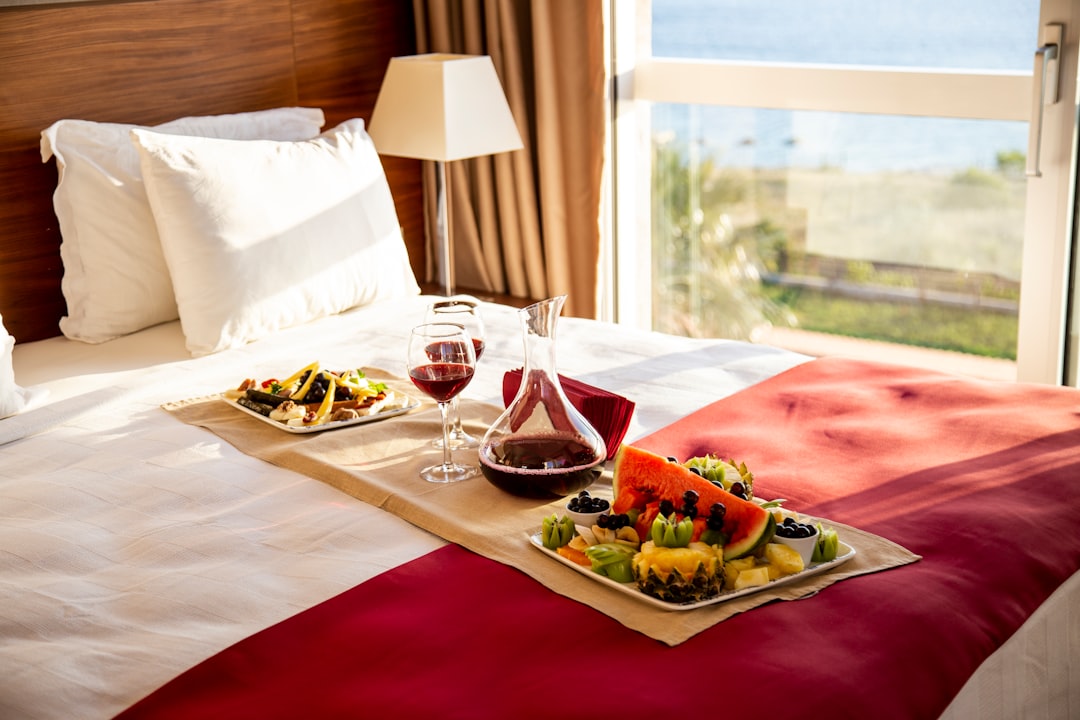
The modern traveler knows that a hotel stay extends far beyond thread count and marble bathrooms. Today’s most discerning guests understand that exceptional dining can transform an ordinary trip into an extraordinary culinary adventure. Whether you’re planning a romantic getaway or a business retreat, the food and dining options available at your chosen accommodation can make or break your entire experience.
Gone are the days when hotel dining meant overpriced room service and uninspiring breakfast buffets. Contemporary luxury hotels have elevated their culinary game, partnering with renowned chefs and creating dining destinations that rival the world’s finest standalone restaurants. Smart travelers now research dining options with the same intensity they once reserved for spa amenities and fitness centers.
The stakes have never been higher. With social media amplifying every dining experience, hotels compete fiercely to offer memorable culinary moments. From rooftop bars serving craft cocktails to intimate chef’s table experiences, the right hotel can provide access to flavors and experiences you simply cannot find elsewhere.
Understanding Different Types of Hotel Dining Experiences

Hotel dining has evolved into a sophisticated ecosystem of culinary experiences, each designed to cater to different moods, occasions, and preferences. Understanding these options helps you align your accommodation choice with your specific dining desires and travel goals.
1. Fine Dining Restaurants and Michelin Stars
The crown jewel of hotel dining remains the Michelin-starred restaurant. These establishments represent the pinnacle of culinary artistry, offering meticulously crafted tasting menus that showcase seasonal ingredients and innovative techniques. Hotels housing Michelin-starred venues provide guests with privileged access to reservations that might otherwise require months of advance planning.
Properties like The Ritz-Carlton and Four Seasons frequently partner with celebrity chefs to create destination restaurants. These collaborations result in dining experiences that attract food enthusiasts from around the globe. The convenience of staying at the same property where you’re dining cannot be overstated, especially after a multi-course wine pairing.
Consider the booking advantages carefully. Many hotels offer priority reservations to guests, along with special menu additions or chef interactions unavailable to outside diners. These exclusive touches often justify the premium accommodation rates for serious food lovers.
2. Casual Dining and All-Day Options
Not every meal requires white tablecloths and sommelier consultations. The best hotels balance fine dining with exceptional casual options that deliver quality without formality. Modern hotel casual dining has shed its reputation for mediocrity, embracing farm-to-table concepts and artisanal preparation methods.
Look for properties featuring multiple casual venues, each with distinct personalities. A poolside grill specializing in fresh seafood, a lobby bar serving elevated comfort food, or a coffee shop partnering with local roasters all indicate a hotel’s commitment to diverse dining excellence.
The timing factor proves crucial here. Casual dining venues typically offer extended hours, accommodating jet-lagged travelers and those maintaining irregular schedules during vacation or business travel.
3. Room Service and In-Room Dining
Premium room service has transformed from reheated institutional fare to restaurant-quality meals delivered with precision timing. The pandemic accelerated innovations in in-room dining, with hotels investing heavily in packaging, presentation, and menu variety to maintain culinary standards during delivery.
Evaluate room service menus during your research phase. Properties serious about in-room dining offer extensive menus with items specifically designed for delivery, not just modified restaurant dishes. Look for hotels providing 24-hour room service if your travel schedule demands flexibility.
Consider the presentation elements that distinguish exceptional room service. Premium properties use proper china, real silverware, and thoughtful presentation touches that make in-room dining feel special rather than convenient.
Researching Hotel Food Quality Before Booking

Thorough research separates memorable dining experiences from disappointing meals that taint your entire stay. Modern technology provides unprecedented access to information about hotel dining quality, but knowing where to look and what questions to ask makes all the difference.
1. Online Reviews and Food-Focused Platforms
Traditional hotel review sites offer limited insight into dining quality, often treating restaurants as afterthoughts. Instead, consult dedicated food platforms that focus specifically on culinary experiences. These specialized reviews provide detailed analyses of menu quality, service standards, and value propositions.
Pay attention to recent reviews, particularly those posted within the last six months. Restaurant quality can fluctuate significantly with chef changes, supply chain disruptions, or management transitions. Recent reviews offer the most accurate picture of current dining standards.
Cross-reference multiple platforms to identify consistent themes. If several reviewers mention exceptional breakfast offerings or disappointing dinner service, these patterns likely reflect reality rather than isolated experiences.
2. Social Media and Food Photography
Instagram and food blogs provide visual evidence of hotel dining quality that traditional reviews cannot match. Search location-based hashtags to find real guest photos of meals, presentation styles, and dining atmosphere. These unfiltered images often reveal more truth than professionally styled marketing photos.
Food bloggers and local influencers frequently visit hotel restaurants, providing detailed reviews with multiple course photography. Their content offers insights into portion sizes, plating techniques, and overall dining experience quality.
Don’t overlook the hotel’s own social media presence. Properties proud of their culinary offerings showcase their food prominently, while those with mediocre dining programs focus on rooms and amenities instead.
3. Professional Food Critics and Awards
Professional restaurant criticism remains the gold standard for evaluating dining quality. Search for reviews from established food critics in your destination city, as they often cover notable hotel restaurants alongside standalone establishments.
Industry awards provide reliable indicators of exceptional dining programs. The World Culinary Awards and similar organizations recognize outstanding hotel restaurants globally. These accolades reflect consistent quality standards maintained over time.
Local food and wine magazine recognition often proves more valuable than international awards for understanding regional dining excellence. These publications understand local palates and ingredient availability better than global rating systems.
Key Factors to Consider When Evaluating Hotel Dining

Smart travelers evaluate hotel dining through multiple lenses, considering both immediate needs and broader experiential goals. These factors help you determine which properties align best with your culinary priorities and travel objectives.
1. Chef Credentials and Restaurant Partnerships
The executive chef’s background often determines dining program quality more than any other single factor. Research the culinary team’s experience, training, and previous establishments. Chefs with strong local connections typically create menus that authentically represent regional cuisine while maintaining high technical standards.
Restaurant partnerships with established culinary brands can signal quality assurance. When respected restaurant groups manage hotel dining venues, they bring proven systems, supplier relationships, and operational expertise that independent hotel restaurants often lack.
Consider the chef’s longevity at the property. Frequent turnover suggests operational instability that negatively impacts menu consistency and staff training. Established chef-hotel relationships typically produce more reliable dining experiences.
2. Menu Variety and Dietary Accommodations
Modern travelers bring diverse dietary requirements that extend beyond basic vegetarian options. Exceptional hotel dining programs accommodate gluten-free, vegan, kosher, halal, and various allergy restrictions without compromising flavor or presentation quality.
Evaluate menu variety across different venues within the property. The best hotels offer distinct culinary concepts rather than repetitive menus with minor variations. This variety becomes particularly important during extended stays when dining options might otherwise feel limited.
Seasonal menu changes indicate fresh ingredient usage and culinary creativity. Static menus often suggest reliance on frozen or processed ingredients that compromise quality and fail to showcase local seasonal specialties.
3. Local Cuisine Integration
Authentic local cuisine integration distinguishes memorable hotel dining from generic international fare. The most successful hotel restaurants balance familiar comfort with regional specialties, allowing guests to explore local flavors in refined settings.
Look for properties that source ingredients locally and feature regional suppliers prominently. This commitment to local sourcing typically results in fresher ingredients, supports the local economy, and creates more authentic dining experiences.
Consider the hotel’s relationship with local food culture. Properties that host local wine tastings, collaborate with nearby farmers, or feature regional cooking techniques demonstrate genuine commitment to place-based dining rather than imported concepts.
Budget Considerations and Value Assessment
Hotel dining pricing structures vary dramatically, and understanding these differences helps you budget appropriately while maximizing culinary value. Smart travelers balance cost considerations with experience quality to achieve optimal dining satisfaction within their financial parameters.
1. Understanding Hotel Dining Pricing
Hotel restaurants typically charge premium prices compared to standalone establishments of similar quality. This pricing reflects operational costs, prime real estate locations, and convenience factors that outside restaurants don’t face. However, the premium often includes intangible benefits like guaranteed reservations and seamless billing integration.
Compare hotel dining prices to similar-quality restaurants in the surrounding area. If hotel prices exceed local market rates by more than 20-30%, evaluate whether convenience and exclusive access justify the premium. Sometimes they do, particularly for special occasions or time-constrained business travel.
Consider package deals that include dining credits or meal inclusions. These offerings often provide better value than à la carte pricing, especially at luxury properties where individual meal costs can quickly escalate.
2. Breakfast Inclusions and Packages
Breakfast represents the hotel dining decision with the most significant financial impact for most travelers. Evaluate breakfast inclusion options carefully, considering both cost and quality factors. Premium properties often offer breakfast packages that cost less than à la carte ordering while providing superior variety and service.
Research breakfast menu quality specifically, as this meal varies most dramatically between properties. Exceptional hotel breakfasts feature made-to-order options, local specialties, and fresh ingredients rather than standard continental offerings.
Consider your typical breakfast preferences and schedule flexibility. If you prefer quick, light breakfasts or plan to explore local cafes, paying for elaborate hotel breakfast inclusions wastes money better spent on dinner experiences.
3. Special Packages and Dining Credits
Many hotels offer dining packages that bundle accommodation with restaurant credits, wine tastings, or chef experiences. These packages often provide significant savings while guaranteeing access to popular dining venues that might otherwise be fully booked.
Luxury hotel booking platforms frequently offer exclusive dining packages unavailable through direct booking or standard travel sites. These specialized offerings can include private dining experiences, cooking classes, or wine cellar tours that enhance your culinary journey.
Calculate package values carefully by comparing individual component costs. The best dining packages save money while providing experiences you genuinely want rather than forcing you to use credits on meals you wouldn’t otherwise choose.
Location-Specific Dining Considerations
Geographic location significantly influences hotel dining quality, availability, and cultural significance. Understanding these regional differences helps set appropriate expectations and guides property selection based on your culinary priorities and local dining landscape.
1. Urban vs. Resort Settings
Urban hotels face intense competition from standalone restaurants, pushing them to excel or risk losing guests to nearby dining options. This competitive pressure often results in higher culinary standards and more innovative menus as hotels strive to retain guests for meals rather than losing them to local establishments.
Resort properties operate in relative isolation, making dining quality crucial for guest satisfaction since alternatives are limited. The best resort hotels embrace this responsibility, creating diverse dining ecosystems that prevent menu fatigue during extended stays.
Consider your exploration preferences when choosing between urban and resort settings. Urban properties work well for travelers who enjoy discovering local restaurants, while resort dining suits those seeking convenience and comprehensive on-site experiences.
2. International Destinations and Cultural Integration
International hotel dining presents unique opportunities to experience local cuisines in refined settings with high service standards. The most successful international properties balance authentic local flavors with international techniques and presentation styles.
Research the hotel’s approach to local cuisine integration. Properties that employ local chefs, source regional ingredients, and offer cooking classes or market tours demonstrate genuine cultural engagement rather than superficial menu additions.
Consider language barriers and cultural dining norms when evaluating international hotel restaurants. Properties with multilingual staff and cultural sensitivity training provide more comfortable experiences for international guests unfamiliar with local dining customs.
3. Seasonal Availability and Local Events
Seasonal factors dramatically influence hotel dining quality, particularly in destinations with distinct tourist seasons or agricultural cycles. Research how your travel dates align with local ingredient availability and restaurant operating schedules.
Some destinations feature food festivals, harvest celebrations, or culinary events that hotels incorporate into special dining programs. Timing your visit to coincide with these events can provide unique culinary experiences unavailable during other periods.
Consider off-season implications carefully. While off-season rates might be attractive, some hotel restaurants reduce hours, limit menus, or close entirely during low-demand periods. Verify dining availability before booking discounted off-season rates.
Making the Final Decision
Armed with comprehensive research and clear priorities, making your final hotel selection requires balancing multiple factors while staying true to your culinary goals. The decision process should feel methodical rather than overwhelming when approached systematically.
Create a simple scoring system that weighs different dining factors according to your personal priorities. Fine dining excellence might rank highest for anniversary celebrations, while breakfast quality and room service availability could be more important for business travel with irregular schedules.
Don’t let perfect become the enemy of good when evaluating options. Few hotels excel in every dining category, so focus on properties that deliver exceptional experiences in areas most important to your specific trip goals and personal preferences.
Consider booking flexibility when making your final decision. Properties with generous cancellation policies allow you to secure reservations while continuing to monitor for better options or special dining packages that might emerge closer to your travel dates.
Ready to book your next culinary adventure? Explore luxury hotel options that prioritize exceptional dining experiences and discover properties that transform meals into memories.
Remember that exceptional hotel dining represents an investment in experiential travel rather than merely functional accommodation. When chosen thoughtfully, properties with outstanding culinary programs provide access to flavors, techniques, and cultural insights that enhance every aspect of your journey.
The most sophisticated travelers understand that great hotel dining creates lasting memories long after checkout. Whether you’re savoring a perfectly executed tasting menu or enjoying expertly crafted room service, exceptional hotel dining transforms ordinary travel into extraordinary culinary exploration.