
Choosing the right hotel can make or break your travel experience. The difference between a memorable trip and a disappointing one often comes down to whether your accommodation matches your travel philosophy, budget, and expectations.
Your travel style reflects your personality, priorities, and what you value most during your journeys. Some travelers crave opulent luxury and personalized service. Others prioritize sustainable practices and environmental responsibility.
Understanding your travel DNA is the first step toward finding accommodations that enhance rather than compromise your adventures. Modern booking platforms offer unprecedented access to diverse lodging options, but this abundance can overwhelm even seasoned travelers.
This comprehensive guide will help you identify your travel style and match it with the perfect hotel category. We’ll explore the nuances of luxury resorts, budget hostels, eco-lodges, boutique properties, and everything in between.
Understanding Your Travel Personality

Before diving into hotel categories, you need honest self-reflection about your travel motivations and preferences. Your ideal accommodation should amplify the experiences you seek most.
Consider how you typically spend your time when traveling. Do you view your hotel as merely a place to sleep, or do you expect it to be an integral part of your journey? Some travelers rarely spend daylight hours in their rooms, while others treat their hotel as a destination unto itself.
Your budget obviously influences your choices, but it shouldn’t be the only determining factor. A well-chosen mid-range hotel that aligns with your values often provides more satisfaction than a luxury property that feels mismatched to your travel goals.
1. Assess Your Comfort Requirements
Comfort means different things to different people. Some travelers need thread-count sheets and marble bathrooms to feel relaxed. Others find comfort in authentic local experiences and don’t mind basic amenities.
Think about your non-negotiables versus nice-to-haves. Perhaps you can compromise on room size but require excellent Wi-Fi for work. Maybe you don’t need a spa but want a well-equipped fitness center.
2. Define Your Social Preferences
Hotels offer varying levels of social interaction and privacy. Large chain hotels provide anonymity and consistent service. Boutique properties often encourage guest mingling and offer more personalized attention.
Consider whether you prefer the energy of a bustling lobby or the intimacy of a small guesthouse. Your social comfort zone significantly impacts which hotel types will feel most welcoming.
3. Identify Your Experience Priorities
Some travelers prioritize authentic cultural immersion above all else. Others seek relaxation, adventure, or business efficiency. Your primary travel motivation should guide your accommodation selection.
A business traveler might prioritize location and connectivity over charm. A couple celebrating an anniversary might value romance and privacy over practical considerations.
Luxury Hotels: When Excellence Is Everything
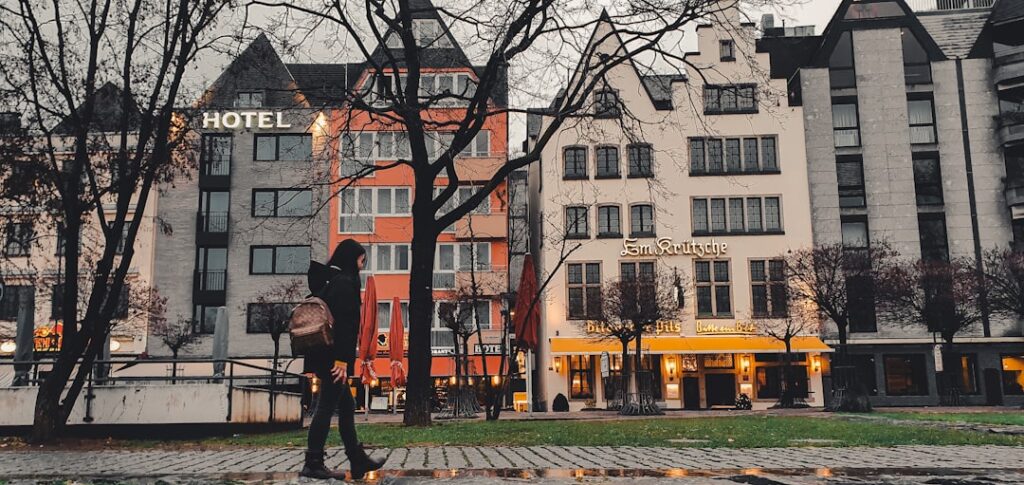
Luxury hotels represent the pinnacle of hospitality, offering unparalleled service, premium amenities, and attention to detail. These properties cater to travelers who view accommodation as an essential component of their overall experience.
True luxury extends beyond expensive furnishings and high prices. The best luxury hotels anticipate guest needs before they’re expressed and create seamless experiences that feel effortlessly perfect.
Forbes Travel Guide and similar rating systems help identify properties that consistently deliver exceptional luxury experiences. However, personal preferences still matter significantly within this category.
1. Service Standards and Personalization
Luxury hotels typically maintain staff-to-guest ratios of 2:1 or higher. This allows for highly personalized service, from remembering your preferred pillow type to arranging complex itineraries.
The best luxury properties keep detailed guest profiles that carry over between visits. Your preferences for room temperature, dining restrictions, and activity interests become part of your permanent file.
Look for hotels that offer dedicated concierge services, 24-hour room service, and staff members who genuinely seem invested in your satisfaction rather than just following scripts.
2. Amenities and Facilities
Luxury hotels often feature multiple dining venues, comprehensive spa facilities, and premium recreational options. These amenities justify higher prices by providing convenience and quality that rivals or exceeds external alternatives.
Consider which amenities you’ll actually use versus those that simply sound impressive. A world-class spa is valuable if you prioritize wellness, but unnecessary if you prefer exploring local neighborhoods.
3. Location and Exclusivity
Premium locations command premium prices, but they can also save time and transportation costs. A luxury hotel in the heart of Manhattan might cost more than airport alternatives but provides immeasurable convenience for business or leisure activities.
Many luxury properties offer exclusive experiences unavailable to the general public. Private beach access, members-only clubs, or partnerships with high-end local businesses can justify substantial rate premiums.
Budget Travel: Maximum Value Without Compromise

Budget travel doesn’t mean accepting substandard conditions. Smart budget travelers know how to find clean, safe, comfortable accommodations that provide excellent value for money.
The key to successful budget lodging lies in understanding what you can live without versus what you absolutely need. This requires honest assessment of your comfort requirements and travel priorities.
Modern budget hotels have evolved significantly from the bare-bones motels of previous decades. Many now offer stylish design, reliable Wi-Fi, and thoughtful amenities at surprisingly affordable rates.
1. Safety and Cleanliness Standards
Never compromise on safety or basic hygiene, regardless of your budget constraints. Research neighborhood safety, read recent guest reviews, and trust your instincts when evaluating potential accommodations.
Reputable booking platforms often provide verified guest reviews that highlight safety and cleanliness issues. Pay particular attention to reviews from solo travelers or those with similar demographic profiles.
Look for properties that invest in security measures like key card access, well-lit entrances, and 24-hour front desk coverage. These features don’t significantly increase costs but greatly enhance guest safety.
2. Location Strategy for Budget Travelers
Budget accommodations in prime locations are rare, but strategic location choices can maximize your travel experience while minimizing costs. Consider neighborhoods that offer easy public transportation access to major attractions.
Sometimes staying slightly outside city centers provides better value and more authentic local experiences. Research public transportation options and factor travel time into your location decisions.
Airport hotels often provide excellent value for short stays, especially if you have early flights or long layovers. Many offer free shuttle services that eliminate transportation costs.
3. Shared vs. Private Accommodations
Hostels and shared accommodations can dramatically reduce lodging costs while providing opportunities to meet fellow travelers. Modern hostels often feature private rooms alongside traditional dormitories.
Private budget hotels typically offer more privacy and quiet but cost significantly more than shared options. Consider your social preferences and tolerance for noise when making this choice.
Eco-Friendly Hotels: Sustainable Luxury and Conscious Travel

Environmental consciousness has become a significant factor in travel decisions for many modern travelers. Eco-friendly hotels offer ways to minimize your environmental impact without sacrificing comfort or experiences.
Authentic eco-hotels go beyond token gestures like towel reuse programs. They implement comprehensive sustainability practices covering energy use, waste management, local sourcing, and community engagement.
Green Key certification and similar programs help identify hotels with verified environmental commitments. However, many smaller eco-lodges operate sustainably without formal certifications.
1. Environmental Practices and Certifications
Look for hotels that use renewable energy sources, implement water conservation measures, and minimize single-use plastics. The most committed properties often publish detailed sustainability reports.
LEED certification for buildings indicates significant environmental design considerations. Hotels with solar panels, greywater recycling, and energy-efficient lighting demonstrate serious sustainability commitments.
Some eco-hotels go further by supporting local conservation efforts, offering carbon offset programs, or operating as certified B-Corporations with social and environmental accountability.
2. Local Community Integration
Sustainable hotels often prioritize local hiring, source food and materials from nearby suppliers, and support community development projects. These practices create more authentic travel experiences while benefiting local economies.
Look for properties that offer genuine cultural exchanges rather than staged tourist performances. Hotels that employ local guides, feature regional cuisine, and support local artisans provide more meaningful connections.
3. Balancing Comfort with Sustainability
Modern eco-hotels prove that environmental responsibility doesn’t require sacrificing comfort. Many feature luxurious amenities powered by renewable energy and designed with sustainable materials.
However, some eco-lodges prioritize authenticity over conventional luxury. Be prepared for potential differences in amenities, especially in remote locations where sustainability takes precedence over convenience.
Boutique Hotels: Character, Charm, and Unique Experiences
Boutique hotels offer distinctive personalities that reflect their locations, histories, or design philosophies. These properties typically feature fewer than 100 rooms and emphasize individual character over standardized experiences.
The best boutique hotels tell stories through their design, service, and amenities. They often occupy historic buildings, showcase local art, or embody specific aesthetic visions that create memorable atmospheres.
Booking platforms have made boutique properties more accessible, but their unique nature means experiences can vary dramatically between properties, even within the same brand or location.
1. Design and Aesthetic Appeal
Boutique hotels typically invest heavily in interior design, often working with renowned designers or local artists to create distinctive environments. These properties serve as showcases for creativity and style.
Consider whether the hotel’s aesthetic appeals to your personal taste and travel goals. A minimalist Scandinavian design might feel refreshing in busy urban environments but could seem cold in romantic getaway settings.
Many boutique properties feature Instagram-worthy spaces that enhance social media storytelling. If visual appeal matters for your travel documentation, these hotels often provide superior backdrops.
2. Personalized Service Philosophy
Smaller scale allows boutique hotels to offer highly personalized service that larger properties cannot match. Staff members often know guest names and preferences, creating more intimate hospitality experiences.
However, boutique hotels may have limited resources for handling complex requests or emergencies. Consider your service expectations and potential need for comprehensive business or concierge services.
3. Local Integration and Authenticity
Boutique properties often reflect their local environments more authentically than international chain hotels. They frequently showcase regional cuisine, local partnerships, and neighborhood connections.
This local integration can provide insider access to authentic experiences but might also mean fewer standardized amenities. Research specific properties to ensure their local focus aligns with your travel preferences.
Business Hotels: Efficiency Meets Professional Needs
Business hotels prioritize functionality, efficiency, and services that support professional travelers. These properties understand that business travelers need reliable connectivity, convenient locations, and amenities that support productivity.
The best business hotels seamlessly blend professional functionality with comfort amenities that help travelers maintain performance while away from home offices. They often provide 24-hour business centers, meeting spaces, and executive services.
Location becomes particularly critical for business travelers, who need easy access to corporate districts, airports, or conference venues. Proximity to public transportation and business services often outweighs leisure amenities in importance.
1. Technology and Connectivity
Reliable, high-speed Wi-Fi throughout the property is non-negotiable for business travelers. Look for hotels that provide dedicated business internet services and backup connectivity options.
In-room technology should include multiple outlets, USB charging stations, and adequate lighting for laptop use. Many business hotels now offer smart room controls and integrated entertainment systems.
2. Meeting and Event Facilities
On-site meeting rooms, conference facilities, and business centers add significant value for travelers who need professional spaces. These amenities can eliminate the need to rent external venues for client meetings or presentations.
Consider the quality and availability of these facilities, especially during peak business travel seasons. Some hotels offer 24-hour business center access, while others have limited operating hours.
Making Your Final Hotel Selection
Once you’ve identified your travel style and preferred hotel category, the final selection process requires careful research and comparison. Don’t rely solely on photos and marketing descriptions, which can be misleading.
Recent guest reviews provide invaluable insights into actual experiences, especially reviews from travelers with similar profiles and expectations. TripAdvisor and similar platforms aggregate reviews from multiple sources for comprehensive perspectives.
Consider booking directly with hotels rather than third-party platforms when possible. Direct bookings often provide better customer service, upgrade opportunities, and flexibility for changes or cancellations.
1. Research Beyond Marketing Materials
Professional hotel photography can make any property look appealing, but guest photos and videos often reveal more accurate representations. Look for recent images that show actual room conditions and common areas.
Check the hotel’s social media presence for real-time updates, guest interactions, and management responses to feedback. Active, engaged social media often indicates responsive management and good customer service.
2. Understand Cancellation and Change Policies
Flexible cancellation policies provide peace of mind, especially for longer trips or uncertain travel plans. However, non-refundable rates often offer significant savings if you’re confident about your travel dates.
Read the fine print carefully regarding change fees, early departure policies, and resort fees. Some hotels charge substantial fees for modifications that could significantly impact your total costs.
Ready to find your perfect hotel match? Start by honestly assessing your travel priorities and budget, then use this guide to narrow down the hotel categories that best align with your style.
Remember that the perfect hotel enhances your travel experience rather than detracting from it. Choose accommodations that support your travel goals, whether that’s luxury relaxation, budget adventure, sustainable exploration, or business efficiency. Your ideal hotel is waiting to welcome you.
Leave a Reply