
Travel shouldn’t be a privilege reserved for the few. Yet for millions of travelers with mobility challenges, finding the right accommodation can transform a dream vacation into a logistical nightmare. The good news? The hospitality industry has evolved dramatically, offering sophisticated solutions that blend luxury with accessibility.
Choosing an accessible hotel requires more than scanning for an “accessible” tag on booking sites. It demands understanding your specific needs, asking the right questions, and knowing which features truly matter. This comprehensive guide will equip you with the knowledge to select hotels that don’t just meet accessibility standards but exceed your expectations.
Whether you’re a frequent traveler with established needs or planning your first accessible trip, these insights will ensure your next hotel experience is seamless, comfortable, and memorable for all the right reasons.
Understanding Your Specific Accessibility Requirements

Before diving into hotel selection, take inventory of your unique needs. Accessibility isn’t one-size-fits-all, and what works for one traveler may fall short for another. This self-assessment forms the foundation of your hotel search strategy.
Consider your mobility aids and how they integrate with hotel environments. Do you use a manual wheelchair, power chair, walker, or cane? Each requires different spatial considerations and charging needs. Power chairs need accessible outlets, while walkers require grab bars and stable surfaces.
1. Mobility and Navigation Needs
Evaluate your movement patterns throughout a typical day. Can you navigate stairs in emergencies, or do you require elevator access at all times? Do you need wider doorways, lower countertops, or specific bed heights for easier transfers?
Think beyond the obvious. Consider your stamina levels and whether you need accommodations closer to elevators, restaurants, or main entrances. Distance matters when energy is finite.
2. Bathroom and Personal Care Requirements
Bathroom accessibility often makes or breaks a hotel stay. Do you need roll-in showers, shower seats, or grab bars in specific configurations? Some travelers require raised toilet seats or space for caregivers to assist.
Consider your personal care routine. Do you need accessible vanity heights, lever-style faucets, or electrical outlets positioned for medical equipment? These details matter enormously for daily comfort.
3. Communication and Sensory Considerations
If you have hearing or vision impairments alongside mobility needs, factor these into your requirements. Visual fire alarms, vibrating notification systems, and braille signage can be crucial safety features.
Consider how you’ll interact with hotel staff and services. Do you need written communication options or staff trained in basic sign language? Premium booking platforms often highlight hotels with comprehensive accessibility training programs.
Essential Accessibility Features to Look For
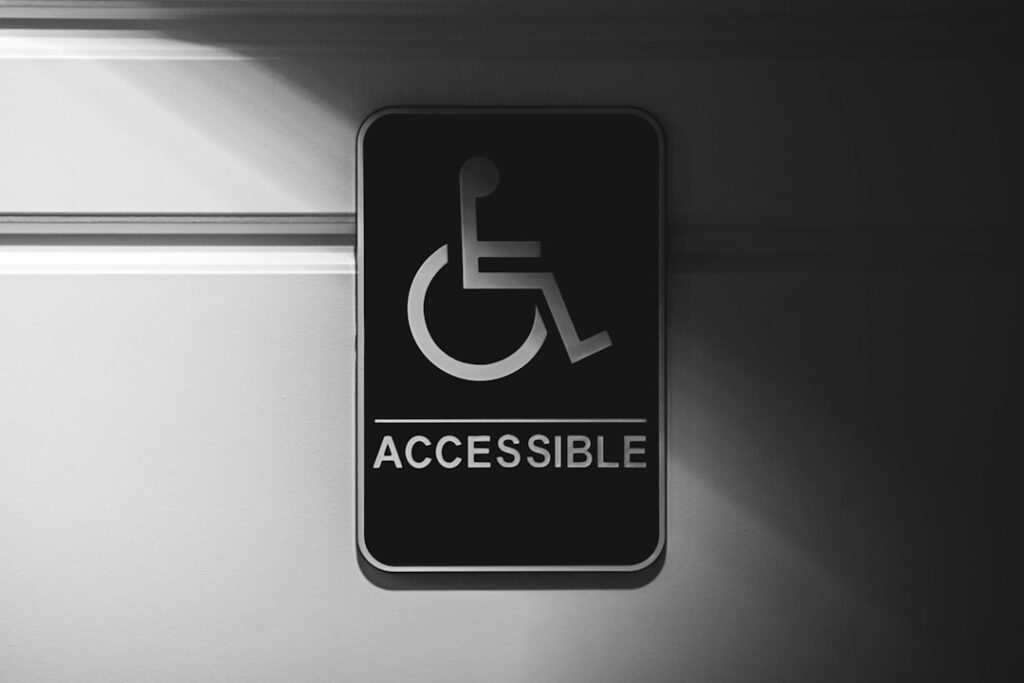
Modern accessible hotels go far beyond basic compliance. The best properties integrate accessibility seamlessly into their design, creating spaces that feel natural and welcoming rather than clinical or institutional.
Focus on features that directly impact your daily experience. While ADA compliance provides a baseline, many hotels exceed these standards, offering thoughtful touches that transform good accommodations into exceptional ones.
1. Room Layout and Design Elements
Accessible rooms should offer intuitive layouts with clear sight lines and logical traffic patterns. Look for properties that provide detailed room diagrams or virtual tours, allowing you to assess the space before booking.
Key elements include 32-inch minimum doorway widths, accessible light switches and thermostats positioned 48 inches or lower, and furniture arrangements that allow easy navigation. The best hotels design these rooms to feel spacious and luxurious, not cramped or medical.
2. Bathroom Specifications
Bathrooms often determine whether a stay succeeds or fails. Seek hotels offering multiple accessible bathroom configurations to match your specific needs. Some travelers prefer roll-in showers, while others need tub-shower combinations with built-in seating.
Premium accessible bathrooms feature adjustable shower heads, fold-down shower seats, multiple grab bar configurations, and adequate maneuvering space. The Americans with Disabilities Act guidelines provide minimum standards, but exceptional hotels exceed these requirements.
3. Technology and Communication Systems
Modern hotels integrate technology to enhance accessibility. Look for properties offering smartphone apps for room controls, accessible television interfaces, and emergency communication systems designed for various disabilities.
The best hotels provide multiple ways to access services and information. This might include large-print materials, digital concierge services, and staff trained to communicate effectively with guests who have diverse accessibility needs.
Questions to Ask When Booking
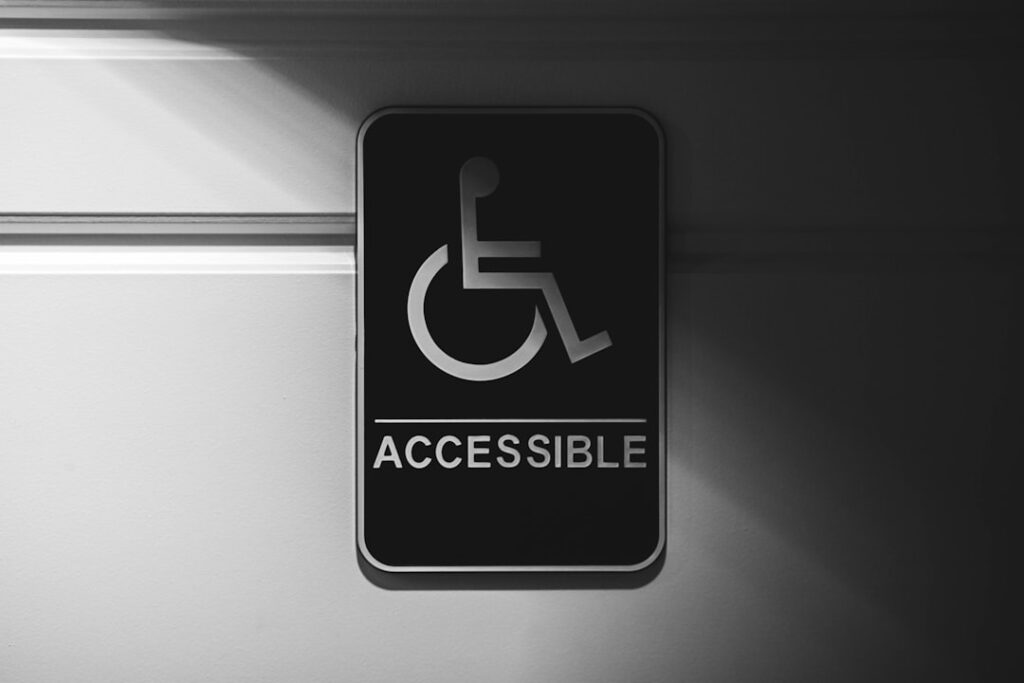
Don’t rely solely on online descriptions. Direct communication with hotels reveals crucial details that can make or break your stay. Prepare specific questions based on your needs, and don’t hesitate to be thorough.
The quality of responses often indicates how seriously a hotel takes accessibility. Properties genuinely committed to accessible hospitality will answer detailed questions enthusiastically and knowledgeably.
1. Specific Room Features and Configurations
Ask for exact measurements rather than general descriptions. “Wheelchair accessible” means different things to different properties. Request doorway widths, bathroom dimensions, and bed heights. Inquire about the distance from accessible parking to your room.
Don’t forget to ask about backup options. What happens if the accessible room isn’t ready at check-in? Does the hotel maintain multiple accessible rooms to accommodate such situations?
2. Hotel Amenities and Common Area Accessibility
Verify that amenities you plan to use are genuinely accessible. Can you independently access the pool, fitness center, restaurants, and business facilities? Are there accessible routes to outdoor spaces, meeting rooms, or entertainment venues?
Ask about equipment availability. Some hotels provide pool lifts, accessible fitness equipment, or hearing loop systems in meeting spaces. Federal accessibility standards cover many public areas, but implementation varies significantly.
3. Staff Training and Support Services
Inquire about staff accessibility training. Can front desk personnel provide detailed accessibility information? Are housekeeping and maintenance staff trained to maintain accessible features properly?
Ask about available support services. Some hotels partner with local equipment rental companies or provide concierge services specifically trained to assist guests with disabilities. These partnerships can significantly enhance your travel experience.
Using Technology and Resources for Research

Digital tools have revolutionized accessible travel planning. Smart travelers combine multiple resources to build comprehensive pictures of potential accommodations before booking.
The key lies in using technology strategically. No single source provides complete information, but combining official hotel data with user reviews and accessibility databases creates a robust research foundation.
1. Specialized Booking Platforms and Databases
Sophisticated booking platforms now offer detailed accessibility filters and verified accessibility information. These tools allow you to search specifically for features like roll-in showers, visual alarms, or wheelchair-accessible pools.
Supplement mainstream booking sites with specialized accessibility databases. Organizations like AccessibleGO provide detailed accessibility reviews written by travelers with disabilities, offering insights you won’t find elsewhere.
2. Virtual Tours and Photo Analysis
Use virtual tours strategically to assess room layouts and accessibility features. Look beyond staged photos to identify potential obstacles or design elements that might impact your stay.
Pay attention to details in photos: Are grab bars visible in bathroom shots? Do room images show clear pathways? Are accessible features prominently displayed or hidden? These visual cues reveal how seriously hotels take accessibility.
3. Review Analysis and Community Resources
Read reviews from travelers with similar needs, but remember that accessibility requirements vary widely. Focus on reviews that mention specific features relevant to your situation rather than general accessibility ratings.
Engage with online disability travel communities for recommendations and warnings about specific properties. These communities often share detailed accessibility reports that go far beyond standard reviews.
Evaluating Hotel Chains vs Independent Properties
Both hotel chains and independent properties offer advantages for accessible travel. Understanding these differences helps you make informed decisions based on your priorities and risk tolerance.
Chain hotels typically offer consistency and established policies, while independent properties may provide personalized service and unique solutions. The best choice depends on your specific needs and travel style.
1. Chain Hotel Advantages
Major hotel chains invest heavily in standardized accessibility features across their portfolios. This consistency means you can develop familiarity with brands that meet your needs, reducing uncertainty when booking new locations.
Chain hotels often have corporate accessibility policies that exceed local requirements. They typically maintain dedicated customer service lines for accessibility questions and may offer loyalty program benefits specifically for guests with disabilities.
2. Independent Property Benefits
Independent hotels and boutique properties often provide more personalized service and creative solutions to accessibility challenges. Staff may have more flexibility to accommodate unusual requests or provide customized assistance.
Many independent properties pride themselves on going above and beyond standard requirements. Luxury independent hotels frequently offer bespoke accessibility services that larger chains can’t match.
3. Boutique and Luxury Considerations
Luxury and boutique hotels increasingly recognize accessible travel as a premium market segment. These properties often integrate accessibility features seamlessly into high-end design, creating spaces that feel exclusive rather than institutional.
However, historic boutique properties may face unique challenges in retrofitting accessibility features. Research carefully and communicate directly with these properties about your needs and their capabilities.
Budget Considerations and Value Assessment
Accessible travel doesn’t have to break the budget, but it requires strategic thinking about value and priorities. Understanding how to assess true value in accessible accommodations helps you make smart financial decisions.
Consider the total cost of your stay, including potential additional expenses for inadequate accessibility. A slightly more expensive hotel with superior accessibility features often provides better overall value.
1. Hidden Costs and Savings
Factor in potential hidden costs of poorly accessible accommodations. Will you need to rent additional equipment, pay for room modifications, or book multiple rooms for caregivers? These expenses can quickly exceed the savings from choosing a cheaper property.
Conversely, well-designed accessible accommodations can provide savings. Hotels with excellent accessibility features may eliminate equipment rental needs or reduce the necessity for personal care assistance.
2. Insurance and Refund Policies
Understand cancellation and modification policies, especially for accessibility-related issues. Some hotels offer flexible policies for guests with disabilities who may need to cancel due to health issues or accessibility problems.
Consider travel insurance that covers accessibility-related cancellations or accommodation issues. Comprehensive travel insurance can provide peace of mind when booking accessible travel.
3. Value-Added Services
Look for hotels that include accessibility-related services in their standard offerings rather than charging extra fees. This might include equipment loans, accessible transportation, or concierge services trained in accessibility needs.
Consider loyalty programs that recognize and reward accessible travel. Some hotel chains offer enhanced services or room upgrades for frequent travelers with accessibility needs, providing long-term value beyond individual stays.
Legal Rights and Advocacy
Understanding your legal rights as a traveler with accessibility needs empowers you to advocate effectively and ensures you receive the accommodations you deserve. Knowledge of relevant laws and regulations serves as both protection and leverage.
The legal landscape for accessible travel continues evolving, with stronger protections and clearer guidelines emerging regularly. Stay informed about your rights and don’t hesitate to exercise them when necessary.
If you’re planning an accessible getaway, start your search with verified accessible accommodations that understand both your needs and your rights as a traveler.
1. Understanding ADA Requirements
The Americans with Disabilities Act establishes minimum standards for public accommodations, including hotels. However, these standards represent floors, not ceilings. The best hotels exceed ADA requirements significantly.
Familiarize yourself with basic ADA requirements so you can identify potential compliance issues. This knowledge helps you ask informed questions and recognize when accommodations fall short of legal standards.
2. Documentation and Communication
Document your accessibility needs and any promises made by hotel staff during booking. Written confirmation of specific accommodations protects both you and the hotel by establishing clear expectations.
When accessibility issues arise, address them promptly and professionally. Most problems result from misunderstandings or lack of awareness rather than deliberate discrimination. Clear communication often resolves issues quickly and amicably.
Choosing the right accessible hotel transforms travel from a series of obstacles into a source of joy and discovery. By understanding your needs, asking the right questions, and leveraging available resources, you can find accommodations that don’t just meet your requirements but exceed your expectations.
The hospitality industry continues evolving, with innovative properties setting new standards for accessible luxury and service. As a informed consumer, your choices and feedback drive this progress, creating better experiences for all travelers.
Remember that accessible travel is about more than compliance with regulations. It’s about dignity, independence, and the fundamental right to explore the world on your own terms. The perfect accessible hotel is out there waiting for you.
Leave a Reply