
The modern professional no longer needs a corner office to thrive. Today’s workforce operates from Bali beachfronts, London cafes, and boutique hotels across continents. This shift has created a sophisticated traveler who demands more than thread counts and minibar selections.
For the discerning remote worker, choosing accommodation becomes an art form. The perfect hotel must balance aesthetic appeal with functional workspace requirements. It’s about finding properties that understand the nuanced needs of digital nomads and remote professionals.
Success in remote work travel depends on meticulous planning and informed decisions. The right hotel can transform a business trip into a productive retreat, while the wrong choice can derail deadlines and damage professional relationships.
Understanding Your Remote Work Requirements
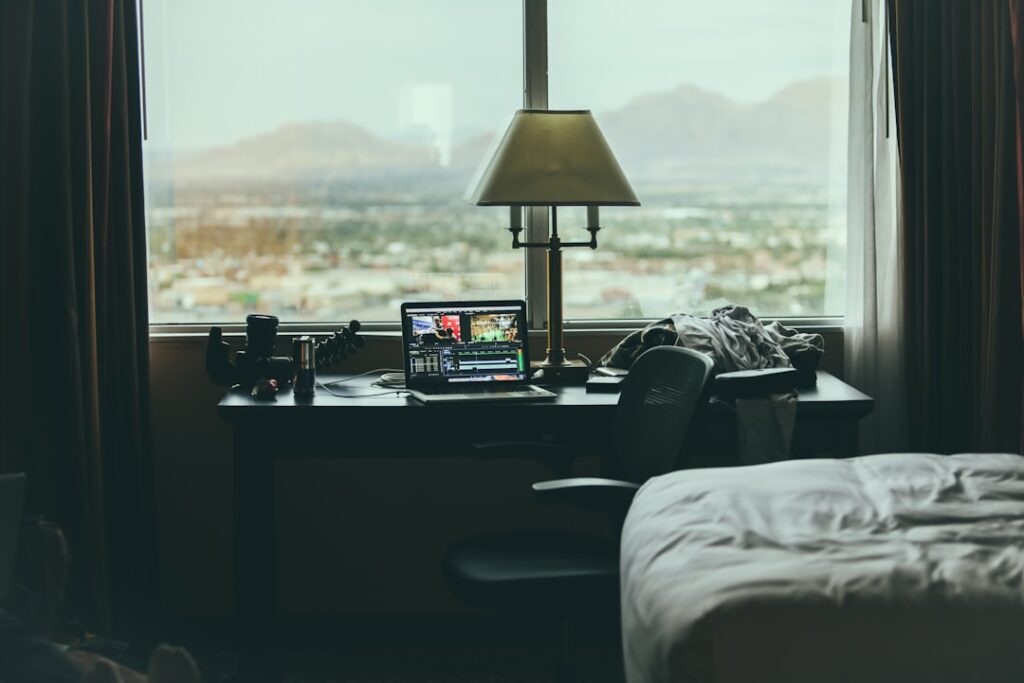
Before browsing hotel websites or scrolling through Instagram-worthy lobbies, define your non-negotiable work essentials. The most elegant suite means nothing if you can’t join video calls or access company servers reliably.
Consider your typical workday structure and equipment needs. Some professionals require dual monitor setups, while others work efficiently from tablets. Understanding these requirements prevents costly accommodation mistakes.
Factor in your work schedule’s time zone implications. If you’re presenting to New York clients from Bangkok, you’ll need reliable internet at unusual hours. Many hotels reduce WiFi support staff overnight, creating potential connectivity issues during crucial meetings.
1. Internet Connectivity as Your Foundation
Internet speed isn’t just about downloading files quickly. Modern remote work demands consistent upload speeds for video conferencing, cloud storage synchronization, and real-time collaboration tools. A professional hotel booking platform should provide detailed connectivity information before you commit.
Test speeds upon arrival using multiple devices and locations within your room. Hotel WiFi often varies dramatically between floors, room positions, and even different corners of the same space. Document these variations for future reference.
Always secure backup internet options. Mobile hotspots, local SIM cards, or nearby coworking spaces can save critical work situations. The best remote work hotels often provide information about local connectivity alternatives.
2. Workspace Ergonomics and Design
A proper desk chair prevents the back pain that can plague extended work sessions. Look for hotels that specify ergonomic furniture in their business-friendly rooms. Adjustable chairs and adequate desk height make eight-hour work days feasible.
Lighting quality dramatically affects productivity and video call appearance. Natural light works best, but ensure rooms have adjustable artificial lighting for early morning or late evening calls. Ring lights or portable desk lamps can supplement inadequate hotel lighting.
Noise control becomes essential for professional calls and concentration. Request rooms away from elevators, ice machines, and street-facing windows. Many boutique properties now offer specifically designed quiet zones for working guests.
Essential Hotel Amenities for Digital Nomads

The modern remote worker requires specific amenities that traditional leisure travelers might overlook. These features can make or break your productivity during extended stays.
Business centers and meeting rooms provide professional environments for important calls or client meetings. However, availability and quality vary significantly between properties. Confirm booking procedures and associated costs before arrival.
24-hour room service or nearby dining options support irregular work schedules. Time zone differences often mean working during traditional meal times. Having reliable food access prevents productivity drops due to hunger or extended breaks.
3. Technology Infrastructure
Universal power outlets accommodate international device chargers without bulky adapters. Modern hotels increasingly install USB charging stations and multiple outlet configurations. These small details significantly improve daily workflow efficiency.
In-room printing capabilities or nearby business services support document-heavy work requirements. While digital workflows dominate, certain industries still require physical document handling. Confirm printing costs and availability hours.
Smart TV capabilities allow laptop screen mirroring for presentations or larger display needs. This feature proves invaluable for detailed design work or multi-person video conferences. Test these connections early in your stay.
4. Wellness and Productivity Support
Fitness facilities help maintain physical health during sedentary work periods. Regular exercise improves mental clarity and prevents the stiffness associated with prolonged desk work. Research consistently shows exercise’s positive impact on cognitive performance.
Spa services or wellness amenities provide stress relief after demanding work days. The ability to unwind professionally enhances overall trip satisfaction and work performance. Consider these amenities as productivity investments rather than luxury additions.
Healthy dining options support sustained energy levels throughout long work sessions. Heavy, processed meals can cause afternoon energy crashes that affect professional performance. Look for hotels with fresh, nutritious menu options.
Location Strategy for Remote Work Success

Location selection extends beyond scenic views or cultural attractions. The right neighborhood provides professional support infrastructure while maintaining inspiring surroundings.
Proximity to coworking spaces offers backup work environments and networking opportunities. Even if you prefer hotel-based work, nearby coworking options provide alternatives for important meetings or internet connectivity issues.
Transportation access affects your ability to explore during downtime without compromising work commitments. Reliable public transport or walkable neighborhoods reduce travel stress and time management complications.
5. Time Zone Considerations
Calculate your core work hours relative to local time and plan accordingly. Working New York hours from Tokyo means starting before dawn. Ensure your chosen hotel provides quiet environments and reliable service during these unconventional hours.
Consider the impact of time zone changes on your sleep schedule and productivity. Smart accommodation booking involves factoring jet lag recovery time into your work planning.
Local business hours affect your access to hotel services, nearby amenities, and professional support. Understanding these constraints helps set realistic expectations and prevents work disruptions.
6. Cultural and Professional Environment
Some destinations naturally support remote work cultures, while others may present challenges. Cities like Lisbon, Mexico City, and Medellín have developed strong digital nomad communities with supporting infrastructure.
Local internet infrastructure quality varies significantly between countries and cities. Research national broadband capabilities and urban versus rural connectivity differences. This information influences both hotel selection and backup planning.
Professional service availability, from printing to technical support, differs across locations. Ensure your destination provides adequate business support services or plan to bring necessary equipment and supplies.
Evaluating Hotel Technology and Infrastructure

Modern hotels market themselves as business-friendly, but actual capabilities often fall short of promotional materials. Rigorous evaluation prevents disappointing discoveries after check-in.
Request specific internet speed tests and reliability guarantees. Professional hotels should provide concrete data about their connectivity capabilities. Vague promises of “high-speed internet” aren’t sufficient for serious remote work needs.
Investigate backup power systems and technical support availability. Power outages or technical failures can destroy work progress and damage professional relationships. The best remote work hotels maintain redundant systems and 24-hour technical support.
7. Communication Systems
International calling capabilities and reasonable rates support client communication needs. Many remote workers require regular phone contact with colleagues or clients. Understand hotel phone policies and associated costs before committing to stays.
Conference calling facilities or quiet phone booth areas provide professional environments for important conversations. Open lobbies and busy restaurants don’t substitute for proper phone call environments.
Multi-language staff support helps resolve technical issues quickly. When internet connectivity fails during a crucial presentation, clear communication with hotel staff becomes essential. Language barriers can complicate already stressful technical problems.
8. Security and Privacy
Secure internet connections protect sensitive business data from cyber threats. Public WiFi networks expose professional information to potential security breaches. Ensure hotels provide secured, encrypted connections for business use.
Private workspace options prevent confidential conversation interruption or eavesdropping. Some business calls require absolute privacy. Hotels catering to remote workers should provide secure, isolated workspace options.
Safe storage for equipment and documents protects valuable technology and sensitive materials. Remote workers often travel with expensive laptops, cameras, and important physical documents requiring secure storage options.
Budget Considerations and Value Assessment
Remote work hotel stays often extend longer than typical vacation trips. Budget calculations must account for extended duration costs while maintaining necessary amenity standards.
Calculate total costs including internet fees, business center usage, printing charges, and food expenses. Some seemingly affordable hotels add significant charges for business amenities. Comprehensive booking platforms should detail all potential additional costs upfront.
Extended stay discounts can provide significant savings for week-long or monthly bookings. Many hotels offer substantial rate reductions for longer commitments. Negotiate directly with properties for extended remote work stays.
9. Cost-Benefit Analysis
Compare hotel costs against serviced apartment or coworking space alternatives. Sometimes combining basic accommodation with professional coworking membership provides better value and superior work environments.
Factor productivity improvements into accommodation budget decisions. A slightly more expensive hotel with superior internet and workspace might generate better work outcomes, justifying increased costs.
Consider hidden costs like transportation, meals, and equipment rental. Budget hotels in inconvenient locations often require additional expenses that eliminate initial savings.
10. Booking Strategies
Direct hotel booking sometimes provides better business traveler perks than third-party platforms. Hotels prefer direct bookings and often offer room upgrades, late checkout, or complimentary business services to direct customers.
Loyalty program benefits accumulate faster with consistent brand selection. Business travelers benefit significantly from elite status perks like guaranteed room availability, upgrades, and enhanced internet speeds.
Cancellation flexibility becomes crucial for remote workers whose travel plans may change due to project requirements or client needs. Book refundable rates when possible, even at slightly higher costs.
Pre-Arrival Preparation and Communication
Successful remote work hotel stays begin before departure. Clear communication with hotel staff ensures your workspace needs are understood and accommodated.
Contact hotels directly to discuss specific business requirements. Many properties can arrange ergonomic chairs, additional monitors, or dedicated internet connections with advance notice. These arrangements often differentiate good stays from exceptional ones.
Confirm business amenity availability and operational hours. Business centers, meeting rooms, and technical support don’t always operate 24/7. Understanding these limitations prevents scheduling conflicts and work disruptions.
Ready to find your perfect remote work accommodation? Start researching business-friendly hotels in your target destination and apply these criteria to make informed decisions that support both your professional success and travel satisfaction.
11. Equipment and Setup Planning
Create detailed packing lists for essential work equipment including backup cables, portable chargers, and universal adapters. Remote work success often depends on small technical details that are difficult to replace while traveling.
Research local equipment rental or purchase options for items too large to transport. External monitors, ergonomic keyboards, or specialized software might be available locally, reducing luggage requirements.
Plan workspace setup procedures to minimize arrival day stress. Having a clear system for arranging your temporary office speeds the transition into productive work mode and reduces initial day inefficiencies.
Making the Final Decision
Choosing the perfect remote work hotel requires balancing multiple factors against your specific professional requirements. The best choice supports your productivity while providing the comfort and services that make extended stays enjoyable.
Create scoring systems that weight different amenities according to your work priorities. Internet reliability might outweigh luxury amenities for some professionals, while others need both to maintain work-life balance.
Remember that perfect accommodation doesn’t exist, but the right property for your needs and budget does. Focus on your non-negotiable requirements and be flexible about nice-to-have features. The remote work trend continues growing, meaning more hotels will adapt to serve this market with improved amenities and services.
Your accommodation choice sets the foundation for remote work success. Invest time in research and selection to create productive, enjoyable work-travel experiences that advance your professional goals while satisfying your desire for exploration and adventure.
Leave a Reply